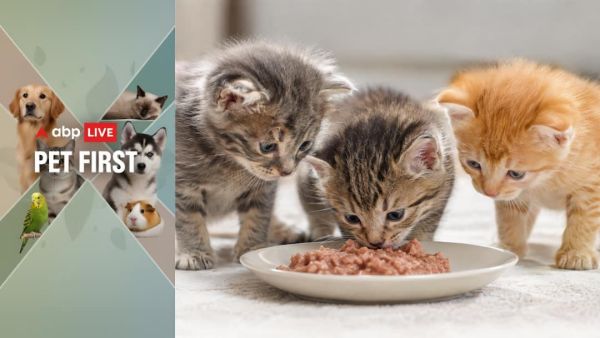
Watching a kitten grow from a tiny, dependent newborn into an active and playful companion is a rewarding experience. One of the most important stages in this journey is weaning, when kittens gradually move from their mother’s milk to solid food. For new pet parents, this transition can raise several questions. When should solid food be introduced? What should kittens eat first? And how can the process be made comfortable for both the kitten and its mother? Weaning generally begins at around 4 weeks of age, although some kittens may show interest in food slightly earlier. Increased activity, the appearance of baby teeth and curiosity about their mother's food are some signs that they may be ready to start exploring solid food.
How To Wean Kittens
Choose The Right Food
Start with a complete and balanced kitten food formulated specifically for growing cats. Wet or canned kitten food is generally easier for young kittens to manage initially. Dry food can be introduced gradually as they become more comfortable eating independently.
Give Kittens Short Breaks From Their Mother
If the kittens are nursing from their mother, brief periods away from her can encourage them to explore food independently. These separations should be gradual and appropriate for their age. During this period, make sure the kittens have access to food, fresh water and a suitable litter box.
Start With Soft Food
Begin by offering a small amount of wet kitten food mixed with kitten formula or warm water to make it easier to eat. You can place the mixture in a shallow dish and allow the kitten to explore it at its own pace. As the kitten becomes more comfortable, gradually increase the amount of solid food while reducing the added formula or water.
Gradually Introduce Dry Food
Dry kitten food can usually be introduced around 5–6 weeks of age. Initially, soften the kibble with warm water or kitten formula. As the kitten learns to chew and eat comfortably, gradually reduce the amount of added liquid. By around 8 weeks, many kittens can eat solid kitten food without it being softened.
Additional Tips For A Smooth Transition
Don't rush the process: Weaning is gradual, and kittens may continue nursing while learning to eat solid food. Avoid forcing them to stop nursing suddenly.
Expect some mess: Young kittens can make quite a mess while learning to eat. Gently clean any food from their fur and keep them dry after meals.
Avoid cow's milk: Do not substitute cow's milk or other dairy products for kitten formula, as they can cause digestive problems. If additional milk is required, use a product specifically formulated for kittens.
Monitor their progress: Keep an eye on how much your kitten is eating and whether it is gaining weight appropriately. Follow the feeding recommendations provided with the kitten food.
Keep food fresh: Offer fresh food regularly and avoid leaving wet food out for extended periods. Follow the storage instructions on the food packaging.
How Long Does Weaning Take?
Weaning is usually a gradual process that takes around 2–4 weeks. Kittens may begin showing interest in water at approximately 4 weeks, so provide fresh water in a shallow, stable bowl. Every kitten develops at its own pace. Continue monitoring their eating habits and overall development throughout the transition. A kitten should remain on food formulated for growth until it reaches around 12 months of age. If a kitten refuses food, appears unwell, is not gaining weight or has persistent digestive problems, consult a veterinarian for appropriate guidance.
-
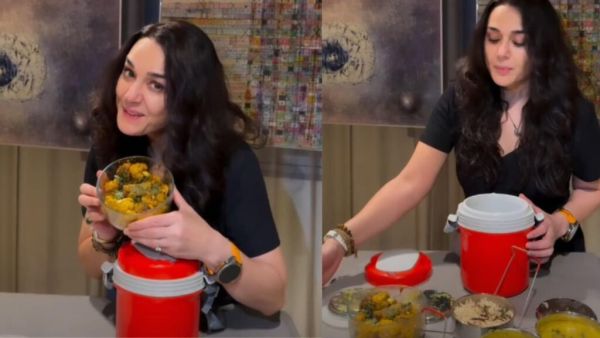
Preity Zinta's Neighbor In Paris Sent Her Favorite Punjabi Meal When She Was Sick
-
Can IMEI be leaked even before the phone rings? New report raises questions on mobile network security

-
Who is Saransh Jain of Madhya Pradesh, who made his Test debut in Colombo?

-
8 year old innocent boy died while playing, crushed by 750 kg pitch roller, how did such a big incident happen?

-
PM Modi's 4-day foreign tour from today, this will be the program from Uzbekistan to Kyrgyzstan