Are an inverter and battery still required after installing solar panels? Find out when a battery is necessary and how a solar system functions without one.
Nowadays, the trend of installing solar panels in homes is rapidly growing as a way to reduce electricity bills and avoid power outages. However, a common question arises after installation: are an inverter and battery no longer needed? The answer depends entirely on the type of solar system you have and your specific needs.
What exactly do solar panels do?
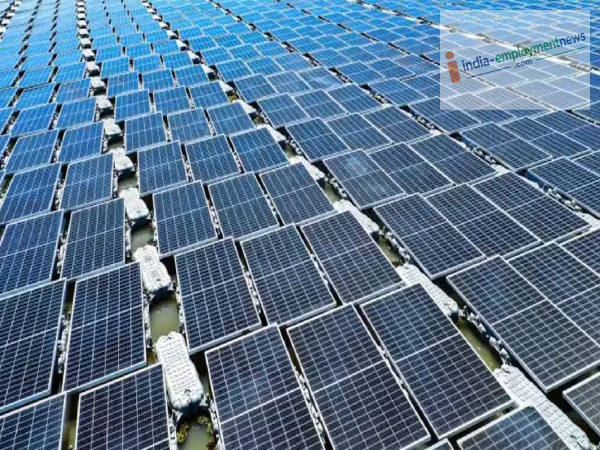
Solar panels generate electricity from sunlight. An inverter is installed in the system to convert the electricity produced by the panels into a usable form. During the day, when the sun is shining, solar panels can power household appliances.
However, there is a crucial point to understand: solar panels do not store electricity themselves. This means that in the evening or at night, when the sun is not out, you cannot get electricity directly from the panels.
Is a battery always necessary?
Not necessarily. In fact, if you have an "On-Grid" solar system, you generally do not need a separate battery. In this setup, electricity flows between the solar panels and the grid via the inverter.
Electricity generated by the solar panels during the day is used in the home. Excess electricity can be fed into the grid, and power can be drawn from the grid when generation is low. Adding a battery to such a system simply increases the cost. However, a standard on-grid system stops working during a power outage, so it does not provide a backup option.
Batteries come in handy during power outages
If power outages are common in your area and you want fans, lights, TVs, or other essential appliances to keep running during a blackout, a solar system with battery backup might be more useful. In such a system, excess electricity generated by the solar panels can be stored in a battery. This stored energy is then used at night or during power outages.
What is a Hybrid Solar System?
A hybrid solar system can be a great option for those who want to reduce their electricity bills while also ensuring power backup during outages. It integrates solar panels, an inverter, a battery, and the grid. During the day, solar power is used for household needs, and any excess energy can be stored in the battery. The battery provides backup when needed, while the grid can also be utilized as required.
-
45,000 teachers to be recruited in Odisha over 3 years; CM Majhi makes major announcement..

-
UP Special TET 2026: Applications for UP Special TET have begun; here’s how to apply..

-
Medical College: Approval granted for 2 new medical colleges in Bihar; 100 new MBBS seats added..

-
A major opportunity for PhD candidates: a fellowship of up to ₹70,000 and an innovation grant of ₹10 lakh..

-
Admit Card: UGC NET re-exam admit card released; check the exam schedule here..