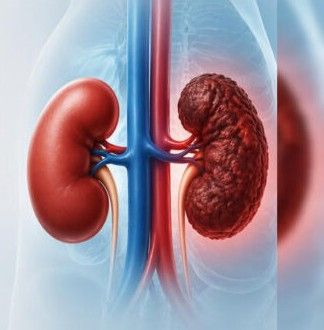
The kidneys in our body act as a silent filter, cleaning the blood day and night and removing toxins and excess water through urine. However, due to today’s hectic lifestyle, poor eating habits, and some unintentional daily mistakes, kidney diseases are rapidly increasing. According to health experts and kidney specialists, the most dangerous thing about kidneys is that they don’t show any obvious signs even when they are 70 to 80 percent damaged. This is why they are called the “silent killer.” Often, by the time people realize the problem, it’s too late. Doctors say that five common everyday habits are slowly destroying the kidneys.
Early Symptoms and Warning Signs of Kidney Failure
As kidney function declines, many changes begin to occur in the body, which people often ignore, thinking they are normal. According to doctors, if these signs are recognized early, kidney failure can be prevented. Edema (swelling) in the feet, ankles, and under the eyes is the most prominent early symptom. When the kidneys are unable to remove excess water from the body, this water begins to accumulate in the tissues. Furthermore, sudden infrequent or excessive urination, foaming or blood in the urine, feeling extremely tired and weak all the time, loss of appetite, nausea, and persistent itching of the skin are also clear signs of kidney failure. Bad breath and difficulty breathing due to increased toxins in the blood also indicate a serious condition.
Doctor’s Warning: These 5 Daily Mistakes Are Degrading Your Kidneys
Nephrologists believe that there is no single cause for kidney failure; rather, many small everyday mistakes combined to destroy the kidney’s nephrons (filter units). If you want to keep your kidneys healthy for the long term, it’s crucial to correct these 5 mistakes immediately:
1. Drinking too little water (Dehydration)
The kidneys’ primary function is to remove toxins from the body, and this requires adequate water. When you drink less water, uric acid and toxins accumulate in the body. This not only increases the risk of kidney stones but also impairs the kidneys’ ability to clean the blood. Although excessive water consumption is also not recommended, a healthy adult should drink at least 2.5 to 3 liters of water daily.
2. Indiscriminate and frequent use of painkillers
Buying painkillers (NSAIDs) from the pharmacy and consuming them without consulting a doctor for mild headaches, body aches, or joint pain is a very dangerous habit. Excessive or long-term use of medications like ibuprofen, diclofenac, and paracetamol reduces blood flow to the kidneys. Doctors warn that this habit of self-medication can gradually lead to acute or chronic kidney disease (CKD).
3. Holding urine for long periods of time
If you hold urine for long periods due to work stress or laziness, it directly puts pressure on your kidneys. Holding urine allows bacteria to grow in the bladder, leading to a urinary tract infection (UTI). When this infection spreads upward, it can develop into a kidney infection (pyelonephritis), which can permanently damage kidney cells.
4. Excessive salt and sugar intake in the diet
Eating too much salt (sodium) increases water retention in the body and increases blood pressure. High blood pressure damages the fine blood vessels of the kidneys. Similarly, consuming too much sugar or sweet foods in the diet increases the risk of diabetes and obesity. Uncontrolled diabetes (Diabetic Nephropathy) is the leading cause of kidney failure worldwide.
5. Lack of sleep, smoking, and excessive alcohol consumption
Kidney tissues repair and regenerate themselves during sleep. When you don’t get 7-8 hours of deep sleep daily, the kidney’s repair function is affected. Furthermore, smoking slows blood flow to the kidneys, and excessive alcohol consumption dehydrates the body, increasing the kidney’s workload.
Follow these essential rules to keep your kidneys healthy and safe.
To protect your kidneys from serious diseases, it’s essential to make small but effective lifestyle changes. First, keep your blood pressure (120/80 mmHg) and blood sugar levels under complete control. Include green leafy vegetables, fresh fruits, coconut water, and low-salt foods in your diet. Walk or exercise for at least 30 minutes daily. If you’re over 40 or have a family history of diabetes or high blood pressure, get a kidney function test (KFT), creatinine, and urine routine test at least once a year.
Timely, accurate information and an improved lifestyle can keep your kidneys healthy throughout your life. If you notice any unusual changes in your body, don’t resort to home remedies; instead, seek immediate medical advice.
-
Michael Carrick gives injury update on Mason Mount

-
If you are undergoing expensive treatments for shiny teeth, stop! This home remedy will permanently remove the yellowness from your teeth
-
It is mandatory to print sugar content on packets! Parliamentary committee recommends to the Center

-
Memories of first love and their significance

-
North Korea Advises People To Eat Dog Meat Soup Amid Severe Heatwave