Why do Spain and Argentina matter here? With the 2026 World Cup now over and Brazil having come to terms with the disappointment of an early exit, the national team have begun work again.
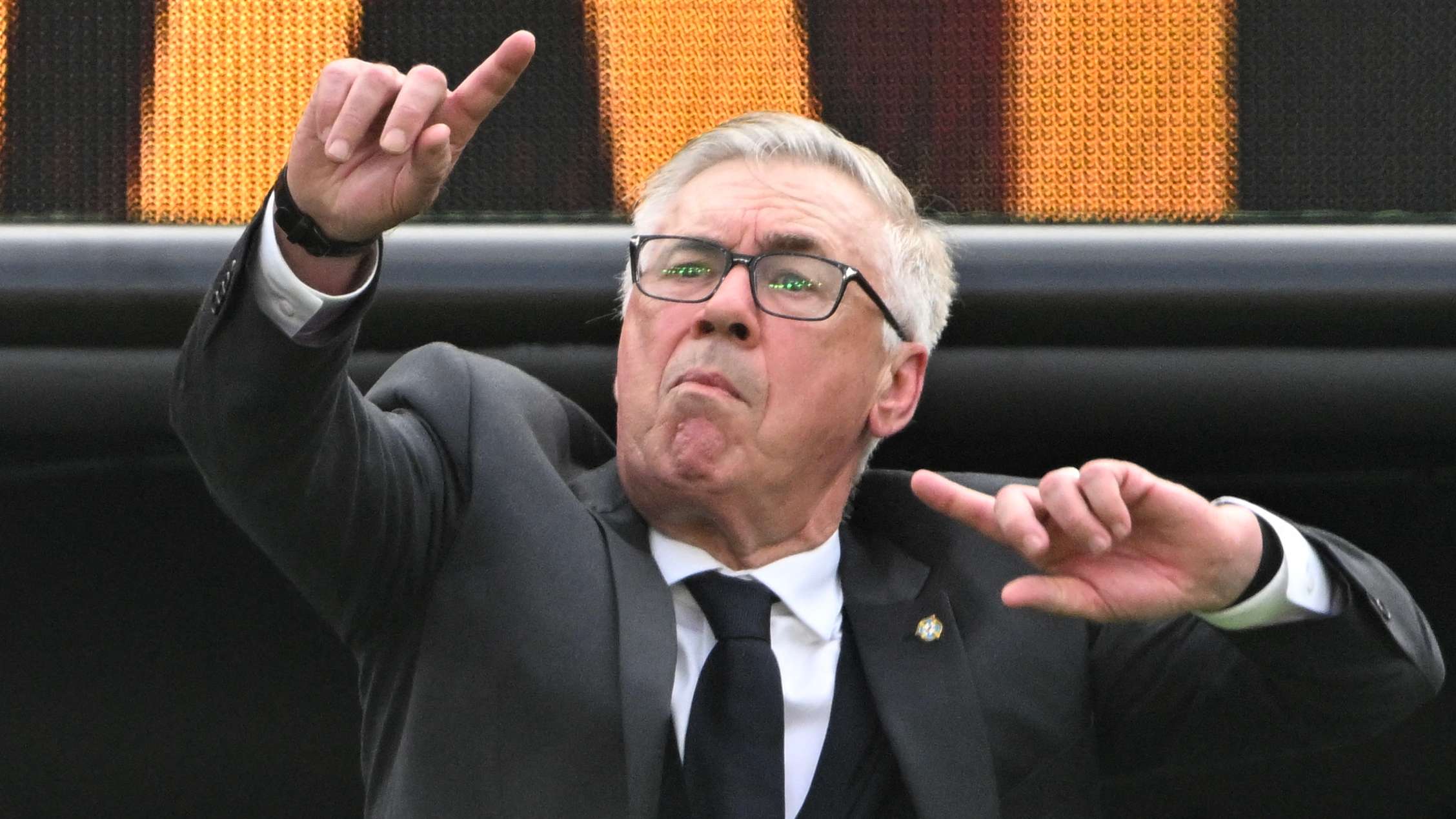
According to AS, the Brazilian Football Confederation is preparing, alongside Italian coach Carlo Ancelotti, to begin a sweeping overhaul at the start of the new cycle.
The senior figures from the previous era will gradually give way to a younger generation. Brazil's new leadership group is expected to start taking on greater responsibility from next September during the next international window.
It will not be a straightforward task. Brazil have fallen to one of their lowest points and require major restructuring that nearly starts from the ground up. But Ancelotti is ready to take it on.
As part of the plan, Ancelotti will remain in charge of the senior national team's technical set-up, which is why the federation renewed its faith in him before and after the World Cup, giving him a deal that runs until 2030.
The Brazilian federation believes it has learned from previous mistakes. It views continuity as essential and wants to keep backing the Italian's project - or more accurately, to launch it fully and once and for all.
The new Samba core
Only around 20 of the 26 players who were part of the 2026 World Cup squad are expected to continue with the national team, depending on how the next stage develops, after Neymar, Casemiro, Danilo, Weverton, Alex Sandro and Fabinho all confirmed their retirement from international football.
There is also uncertainty over the futures of Alisson and Ederson, with no clear successor to the Liverpool star. Marquinhos is in a similar position in defence.
Carlo Ancelotti's project already has a clearly defined backbone. It is built around five players: Eder Militao, Gabriel Magalhaes, Bruno Guimaraes, Raphinha and Vinicius Junior.
Once Marquinhos moves on, the medium-term plan is for Bruno Guimaraes to take over as captain, a decision Ancelotti himself has approved. Raphinha and Vinicius will be the second and third captains respectively.
Brazil's new team will be constructed around that five-man core, and the coaching staff want players with top-level experience to reinforce the project. The preliminary list includes Bremer, Matheus Cunha, Igor Thiago, Joao Pedro, Ederson, Luiz Henrique, Gabriel Martinelli and Wesley, while the staff are also waiting for Savinho and Yan Couto to rediscover their best form.
The average age of this group is 26. The Brazilian federation hopes these players will keep progressing and help the new leaders guide the next generation.
New faces for Brazil
Brazil are placing their hopes in a new generation led by Estevao, Rayan, Andre Santos, Vitor Reis and Endrick.
The federation wants to integrate these players into Ancelotti's plans in the near future. It may even give them major roles earlier than expected, especially Palmeiras academy products Estevao and Endrick.
There are still concerns. The federation does not want to burden them with pressure too early, as happened with Endrick after the defeat to Norway, but it also sees the future of the Samba team resting with them.
And the process will not end there. Throughout last season, the Brazilian federation monitored the development of several players seen as possible additions to the project, including Kaua Prates, who joined Borussia Dortmund this summer, Souza of Tottenham, Arthur of Bayer Leverkusen, Kevin of Fulham and Allison Santos of Napoli. Marlon Gomes of Shakhtar Donetsk is another name on the radar.
Nor should those still playing in the Brazilian league be overlooked, including Gabriel Mec, Eduardo Conceicao, Del, Ze Lucas, Ruan Pablo, Vitinho, Andre and Breno Bidon.
Full restructuring and clear targets
At Ancelotti's request, the Brazilian federation has already started a broad reorganisation of its youth system.
The plan is straightforward: introduce one shared style of play and tactical framework across all youth national teams. In that way, players can move up to the senior side far more smoothly, while the most exceptional talents may even skip age-group levels and go directly into the Italian's squad.
Realism is at the heart of the strategy. Expecting Brazil to challenge for titles immediately would be unrealistic, especially after almost seven years without a trophy since winning the 2019 Copa America.
The 2028 Copa America will provide the first serious examination for this new generation. Some within the federation would like Brazil to win back the South American title at that point, but the same sense of realism is keeping expectations in check. Officials do not want to overstate the target.
Spain and Argentina are being used as the examples to follow. Both nations went through sharp downturns and rebuilt through long-term projects that took years before returning to the top level.
Brazil want to follow a similar route. The first objective is to create a strong squad that no longer depends on individual stars. The second is cultural: football in the country does not naturally favour patience, with both the media and supporters demanding immediate results, and the federation wants to change that mentality.
Since Samir Xaud became president, one of his main objectives has been to modernise the structure of both the federation and Brazilian football. That includes professionalising refereeing, opening the federation's own coaching academy and pushing through other initiatives, all influenced by the success the Spanish federation built at the beginning of this century.
Brazil believe the road back to the World Cup starts with reinvention. A sixth world title will not come quickly. It will require time, sustained work and patience, with the 2030 World Cup identified as the true target of the entire project.
-
Iran War Hurting Trump? Democrats Overtake Republicans On Economy For First Time In A Decade
-
US State Department To Shut Down Consulates In Canada, Japan, Indonesia; Here's Why
-
Weather Alert: Weather will change in the next 24 hours, alert of torrential rain in these states
-
Stock Market bleeds: Brent crude nears $80 amid Gulf Tensions, Keep close eye on IT Stocks

-
Rainfall records will be broken in these 10 districts of Bihar on August 4, IMD issues red alert