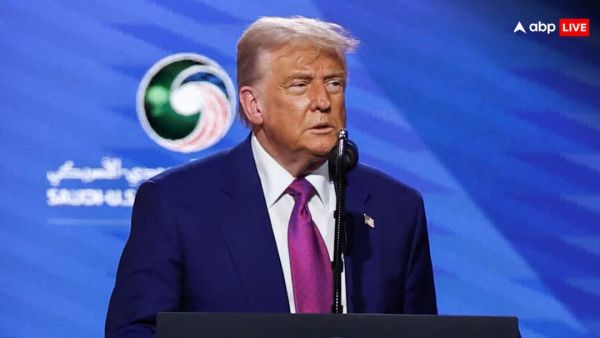
Americans now view the Democratic Party as better equipped to manage the U.S. economy than the Republicans for the first time in nearly a decade, according to a Reuters/Ipsos poll that also found President Donald Trump's approval rating slipping to 35%.
The survey, conducted from Wednesday through Monday, suggests that concerns over the economy, including rising energy prices linked to the ongoing Iran war, could weigh heavily on Republican prospects in the November midterm elections, which will decide control of Congress for the next two years.
The findings point to growing economic anxiety among voters as the conflict with Iran continues, with soaring fuel costs emerging as a key issue influencing public opinion.
Trump's Approval Rating Continues to Decline
Trump's job approval rating dropped to 35%, down from 37% in the previous Reuters/Ipsos poll conducted last month. The latest figure leaves his approval just one percentage point above the lowest level recorded during his presidency.
The poll also found a narrow shift in voter confidence on economic management. Around 37% of registered voters said the Democratic Party had a better approach to the U.S. economy, while 36% backed the Republican Party. Another 27% said they were unsure or believed another political party would perform better.
The result marks a significant change after Republicans maintained an advantage on the economy through most of Trump's first term between 2017 and 2021, throughout former President Joe Biden's administration, and into Trump's second term.
Economic Advantage Shifts Towards Democrats
Reuters noted that the last time Democrats held an advantage on the economy was in a poll that concluded in May 2017. However, that survey used a different methodology and did not offer respondents the option of selecting "not sure" or another political party.
During Trump's current term, the Republican Party's lead on economic issues has steadily eroded before disappearing in recent months.
The shift comes as many Americans continue to face financial pressure, with household budgets affected by sharply higher fuel costs since the outbreak of the Iran conflict.
Iran Conflict and Fuel Prices Shape Public Opinion
According to the report, U.S. gasoline prices have climbed by more than 25% since the war began following the U.S.-Israeli strikes on Iran in February. On average, Americans are now paying more than one dollar extra per gallon at fuel stations.
Trump has defended the military action, saying he authorised the strikes to dismantle Iran's nuclear programme, reduce its ability to attack regional rivals and create conditions for Iranians to overthrow the country's clerical leadership.
However, the prolonged conflict and the resulting rise in energy prices appear to be influencing public sentiment, with the Reuters/Ipsos poll indicating a growing preference for Democrats on one of the issues that has traditionally favoured Republicans.
-
Elon Musk’s net worth drops by $640 billion, yet…
-
‘We See Ourselves In Them’:Pakistani Gen Zs Reacted To Indian Student Protest

-
Indian repatriation from abroad increases, 19,811 deportees in 2025; Gulf countries and the US see the highest number of deportations.

-
Why does indigestion increase in monsoon? Gastroenterologist Dr Bhaskar Nandi explains and shares preventive measures

-
Experts say you are at risk of life-threatening health problems, from heart attack to stroke.