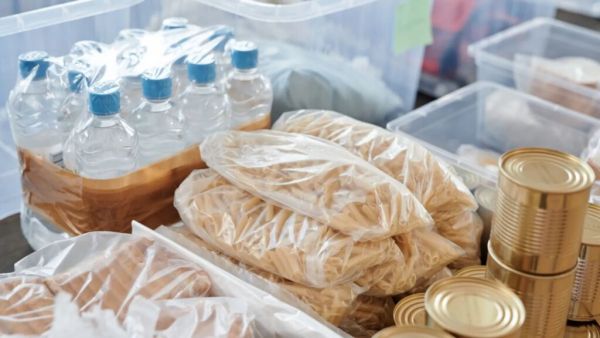
There’s a popular saying, “What is seen, is sold”. In simple words, packaging plays a vital role in selling, especially in categories such as food, perfume and personal care. The first impressions decide whether a buyer believes the product is worth their money. With the rise of online ordering, packaging has become the only moment of physical contact between your product and your customer.
When someone orders from your outlet or restaurant, there’s zero physical contact involved. Packaging becomes the primary physical touchpoint with the consumer. Poor packaging often influences customers to perceive the food less positively. Even if the food tastes great, bad packaging makes it look cheap and unworthy of the price. Your packaging is your first impression. Make it count.
Your Packing Is Your Brand’s Voice
Photo: Pexels
Good packaging tells your brand’s story, what you stand for, what makes you different, and why someone should come back. It creates an emotional connection that compels customers to try your product and explore more of what you offer. Many consumers are curious about the why and how behind a brand.
Think about how many times you’ve ordered food this week alone. Every single one of those orders arrived in a box, a bag, a container. That box was the first thing you touched, the first thing you judged. At Ramji Sweets and Caterers, we understood early that our mithai wasn’t just competing on taste; it was competing at the moment it arrived at your door.
Packaging As Social Identity: What Your Purchase Says About You
Delhi’s Shosha is almost everywhere – the way food looks when it arrives matters as much as how it tastes. For many consumers, especially when ordering for family or guests, presentation influences the overall experience. A well-packaged order often creates greater confidence while serving food, making the dining experience feel more premium when it arrives. Nobody says it out loud, but the box matters. A well-packaged order doesn’t just carry food; it carries confidence.
People feel good handing it over, placing it on the table, letting guests see it. In that moment, packaging isn’t just about the brand. It’s about the person ordering it. Packaging elevates perceived value among family, peers and colleagues not because anyone announces it, but because good presentation speaks for itself. People feel at ease when an order arrives looking exactly as good as they hoped it would, and that ease? That’s packaging doing its job.
At Ramji Sweets and Caterers, we understood this the hard way. The sweets were always good; that was never the question. But when we looked at how orders were going out, the packaging didn’t match what was inside. Once we changed that, something shifted. Customers started sharing photos. They started recommending us not just for the taste but for how it felt to receive the order. Packaging didn’t replace the quality of the food; it finally did justice to it.
The Color Psychology and The Science Behind the Box
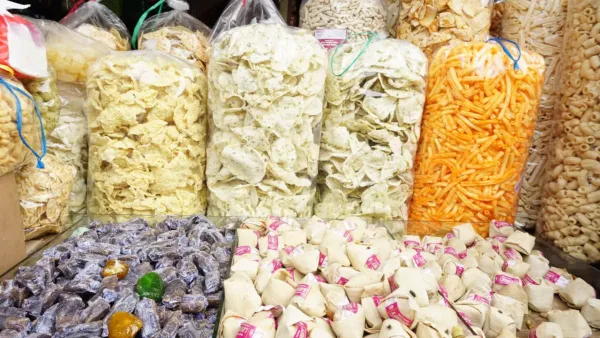
Photo: Pexels
Color triggers purchase decisions; Studies suggest that nearly 75% of snap judgments about a product are made based on color alone before a customer reads a single word. Light colored packaging is often associated with herbal, nutritional or diet – conscious choices. Vibrant, bold colors suggest something spicy, indulgent and full of flavour.
If I name brands like Hocco, Paper Boat, McDonald’s or KFC, a distinct image of each instantly forms in your mind, and you can tell them apart by their packaging alone. But look closer, Paper Boat’s packaging is designed for single use and easy carrying, slim, handy, personal, built for someone on the move. McDonald’s packaging is engineered for in-vehicle consumption because drive-throughs are central to how those brands operate in their home countries. The packaging doesn’t just look right; it solves something. This is exactly what I mean – let your brand be remembered through its packaging.
Even if your packaging doesn’t address a specific consumer need, it must still follow the basics. Packaging isn’t only about how a product looks; it’s equally about quality assurance, shelf life, convenience, and storage. If it looks good but can’t keep food safe and leak-proof, it has already failed at its most basic job.
Size must match quantity; Forcing items into a packet too small makes it look congested, chaotic and prone to leakage. While an oversized box feels wasteful and inconvenient. The material must feel premium enough to justify the price because packaging that physically fails the customer, spills, collapses or arrives looking like an afterthought undoes everything else you’ve built.
Smart And Sustainable: Eco-Friendly Packaging As Competitive Advantage
People today are more conscious about the environment than ever before, and their purchasing decisions reflect that. Eco-friendly packaging signals that your brand genuinely cares. Mintel research confirms that one in three Indian consumers is already willing to pay a premium for eco-friendly packaged food, and that number is only going up.
Recyclable, sustainable packaging conveys your brand’s value clearly, whether you are positioning yourself as premium, organic, fun or playful. It gives your brand a real edge, and increasingly, it is what keeps customers coming back.
Young Indian Consumer and The Premium Packaging Shift
Photo: Pexels
Every brand must understand who it is selling to. The majority of young Indian consumers attach significant importance to food packaging and are willing to pay a premium ranging from 11 to 30% of the price for packaged food products. This is supported by a study published in the Journal of Business Studies, where 300 young Indian Consumers were surveyed; the majority valued packaging enough to pay a premium and cited social costs as a genuine factor in their purchase decisions. This directly contradicts the traditional belief that Indian consumers are purely price-sensitive.
Packaging today does more than help customers carry food home; it adds genuine value to the product itself. For children’s products, there’s also an “eatertainment factor” at play. Fun, imagery and playful design drive young consumer behavior and attract parents to purchase on their behalf.
The takeaway for food business owners is simple: your customer has already decided they are willing to pay more. The question is whether your packaging gives them a reason to.
If the food is not great, packaging will not save it. But if the food is great and the packaging lets it down, you’ve already lost the customer before they’ve taken a single bite.
Packaging is not a decoration. This is the first conversation your brand has with someone who has never met you. It tells them whether you are serious, whether you care and whether you are worth coming back to. What was the last packaging that genuinely impressed you?
-
Leeds United set to secure Oumar Solet for £20m as third summer signing in bargain deal

-
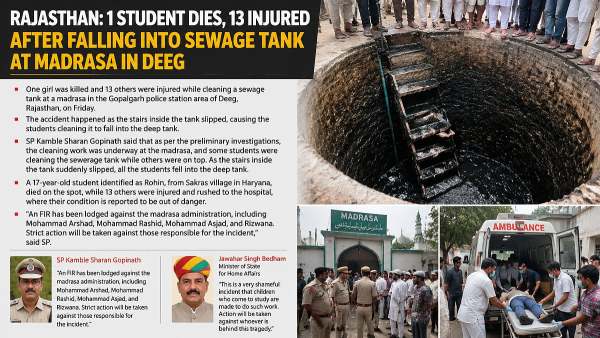
Rajasthan Madrasa Tragedy: 17-Year-Old Girl Dies, 13 Injured While Cleaning Sewage Tank In Deeg
-
Inside Lock Upp Star & Influencer Riyaz Ali's Luxurious Mumbai Home, Farah Khan Gives Tour

-
‘If he wants the Ballon d'Or, he must support his teammates’: France legend Franck Leboeuf delivers tough verdict on Kylian Mbappe

-
Ederson signs new Atalanta contract until 2031 after Manchester United withdraws transfer bid