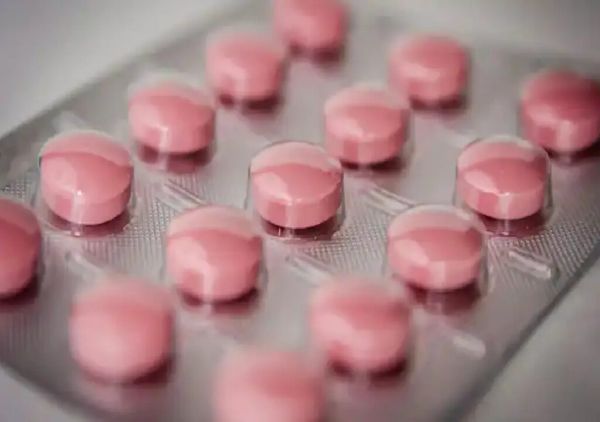
New York: In a significant advancement in cholesterol treatment, the U.S. Food and Drug Administration (FDA) has approved Lipfendra (enlicitide), the world’s first oral PCSK9 inhibitor. The once-daily tablet offers a new treatment option for adults with high cholesterol, including those with heterozygous familial hypercholesterolaemia (HeFH), an inherited condition that causes persistently elevated cholesterol levels.
Unlike earlier PCSK9 inhibitors, which required injections, Lipfendra is taken orally, providing a more convenient option for patients who require additional cholesterol-lowering therapy.
A new approach to lowering cholesterol
High cholesterol remains one of the leading risk factors for heart disease and stroke worldwide.
For decades, statins have been the standard treatment for reducing low-density lipoprotein (LDL), commonly known as “bad” cholesterol. While statins are effective for many patients, some people either do not achieve adequate cholesterol reduction or experience side effects such as muscle pain, making long-term treatment difficult.
Lipfendra introduces a different treatment approach by targeting cholesterol through a separate biological pathway.
What is Lipfendra?
Lipfendra (enlicitide) is a prescription medicine approved for adults with elevated LDL cholesterol levels, including individuals diagnosed with heterozygous familial hypercholesterolaemia (HeFH).
The medicine is taken once daily as an oral tablet and is intended to be used alongside a healthy diet and regular physical activity.
For many patients, doctors may prescribe Lipfendra together with statins rather than as a replacement for existing cholesterol-lowering medication.
How does the medicine work?
Lipfendra works by blocking a protein known as PCSK9, which plays a key role in regulating cholesterol levels in the bloodstream.
Normally, the PCSK9 protein reduces the number of LDL receptors on liver cells. These receptors help remove LDL cholesterol from the blood.
By inhibiting PCSK9, Lipfendra allows more LDL receptors to remain active, enabling the liver to clear greater amounts of LDL cholesterol from circulation.
This mechanism has previously been available only through injectable PCSK9 inhibitors. Lipfendra is the first oral medicine to use the same approach.
Clinical trials show strong results
Clinical studies demonstrated that patients taking Lipfendra experienced an average reduction of nearly 60 per cent in LDL cholesterol after approximately six months of treatment compared with those receiving a placebo.
The cholesterol-lowering effect was maintained during longer follow-up periods, suggesting the medicine could provide sustained benefits for long-term cholesterol management.
The degree of LDL reduction observed in clinical trials exceeds what many patients achieve with statins alone.
Does it replace statins?
Medical experts emphasise that Lipfendra is not intended to replace statins for most patients.
Statins continue to be the first-line treatment because they are supported by decades of clinical evidence demonstrating their ability to reduce the risk of heart attacks, strokes and other cardiovascular events.
Instead, Lipfendra is expected to serve primarily as an add-on therapy for patients whose cholesterol remains elevated despite statin treatment or for individuals who cannot tolerate certain cholesterol-lowering medicines.
The new therapy therefore complements existing treatment options rather than replacing them.
Who may benefit?
According to current recommendations, Lipfendra may be particularly beneficial for people who:
- Continue to have high LDL cholesterol despite taking statins.
- Have inherited high cholesterol, including heterozygous familial hypercholesterolaemia (HeFH).
- Require an alternative to injectable PCSK9 inhibitors.
- Prefer taking a daily tablet instead of receiving regular injections.
Doctors will determine whether the medicine is appropriate based on an individual’s cholesterol levels, medical history and overall cardiovascular risk.
Safety and administration
Clinical trials found that Lipfendra was generally well tolerated.
The most commonly reported side effects included mild diarrhoea and dizziness, with rates comparable to those seen in participants receiving a placebo.
According to prescribing guidance, the tablet should be taken on an empty stomach to achieve the best results.
Patients are advised to follow their healthcare provider’s instructions regarding dosage and ongoing cholesterol management.
Long-term studies continue
Although Lipfendra has demonstrated substantial reductions in LDL cholesterol, researchers are continuing studies to evaluate whether the medicine also lowers the long-term risk of heart attacks, strokes and other cardiovascular complications.
These outcome studies will help determine the full clinical benefits of the treatment beyond cholesterol reduction alone.
Conclusion
The FDA approval of Lipfendra marks an important milestone in cholesterol management by introducing the first oral PCSK9 inhibitor. While statins remain the cornerstone of cholesterol treatment, the once-daily tablet offers a convenient new option for patients requiring additional LDL reduction or those seeking an alternative to injectable therapies.
-
Not luck, the marriage is falling apart! what to do

-
Is there any hindrance in increasing the height of the child? Do not ignore these signs, know when to consult a doctor

-
“Don’t have any. Take the toffee.” Has UPI Replaced Rs 1 Toffee In India?

-
Banks have a big plan to protect against AI cyber attacks, made a strategy with 25 tech companies

-
Indians raised ‘Cheer 4 India’ with Mandaviya in Commonwealth Games!