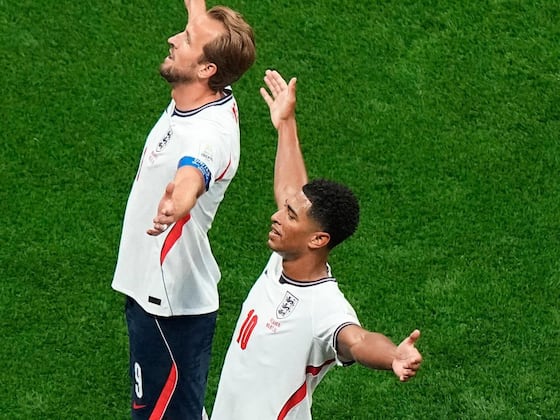
England have made it to the semi-finals of the World Cup. Surprised? Most of us expected them to bow out at the quarter-final stage, didn’t we?
After all, predicting England to exit in the quarters has long been the safest bet in World Cup forecasts. It’s almost a national tradition.
But not this time. This time, they’ve gone one step further. So here’s that – and nine other things we got wrong about this England team.
Let’s be honest: it felt like a typical ‘quarter-final England’ squad. The straightforward qualification campaign and some uninspiring friendly results – which Thomas Tuchel didn’t seem remotely bothered about – didn’t exactly inspire faith that this team could handle tournament pressure.
So we defaulted to our usual stance: “Quarter-finals, maybe?” England often make it that far, but rarely beyond. Historically, the difference between a good and bad tournament for the Three Lions has been decided somewhere between the quarter-finals and the semis.
Troy Deeney will still find something to moan about – he always does – but even if England lose to the reigning champions in the semis, reaching the last four in a World Cup held outside Europe for the first time is a significant achievement.
Like it or not, this will go down as at least England’s second-best ever men’s World Cup run. And to think, we didn’t see that coming when we looked at the defenders in this squad.
Here’s another surprise: if someone had told us six weeks ago that Harry Kane would score six goals (and counting) in a tournament that simultaneously showed England aren’t overly dependent on him, we’d have been baffled.
We never doubted Jude Bellingham’s place in the team. We always thought he should start if fit, even if some claimed he was a “divisive soloist” who didn’t play nice with the press. We thought he was good – but not “six goals from midfield” good. Yet here we are. He’s also delivered sharp, composed media interviews, especially after the Norway win, which showed exactly why he’s often avoided them.
The discussion has subtly shifted from “Do we rely too much on Kane?” to “Do we rely too much on Kane and Bellingham?” It’s a welcome problem. England now have two genuine global superstars who thrive alongside each other – something England have rarely enjoyed before.
After the Norway match, both Tuchel and Bellingham highlighted the team’s mental strength and unity – qualities that even Gareth Southgate’s sides sometimes lacked. England may not have gone further yet than Southgate’s teams, but they’ve faced tougher routes and harsher conditions. The Azteca could have crushed weaker sides or managers.
And that tense game in Miami? In years gone by, England would have fought bravely but lost to more tactically astute opponents. It felt eerily reminiscent of Croatia 2018 or Italy 2021 – great opportunities that ultimately slipped away. But this time, when control wavered, the substitutes changed the game.
Twice in this tournament, England have come from behind to win knockout matches, plus that wild 10-man defensive stand against Mexico. Before this, England hadn’t done that since the 1990 quarter-final against Cameroon – and hadn’t won a World Cup knockout after conceding first since 1966. Clearly, this team is built differently.
We didn’t make too much fuss over Tuchel’s final squad selections. Usually, the debate about players 25 and 26 in the squad is overblown. But this time, those fringe choices have mattered. Djed Spence’s inclusion raised eyebrows – his inconsistent season with Spurs and late injury didn’t exactly scream “World Cup call-up.”
Yet Spence has been a revelation. His pace and versatility have been crucial, and Tuchel’s constant sideline shouting seems to have coaxed more attacking intent out of him. The irony? He’s not even been the best Spurs full-back at this tournament – Pedro Porro has looked like Cafu reborn.
And Spence isn’t even England’s cult hero of this campaign. That honour belongs to… Dan Burn. Taking Burn to the World Cup seemed odd at first. Why not Harry Maguire and his massive, set-piece-attracting head? But Tuchel knew what he was doing. He wanted specialists for specific roles, not just backups for the sake of it. Burn’s job? To come on late and command the defence – literally shouting “Thou shalt not pass” in his Geordie accent.
His block on Raul Jimenez’s overhead kick was iconic – up there with Eric Dier’s famous reducer on Sergio Ramos. That header, which cleared the halfway line, was extraordinary. Seeing Burn ready to come on against Norway was enough to make Erling Haaland lose heart. He was immense again, heading away everything that came near him.
Anthony Gordon, meanwhile, has been improving game by game – a rare trait for English players at major tournaments. His performances at the Azteca and in Miami were his best yet for England, which bodes well. Even if Gordon hadn’t delivered, Tuchel’s squad calls have been vindicated. Gordon and Noni Madueke over Jarrod Bowen, Cole Palmer, or Phil Foden raised questions, but those decisions now look spot-on.
Madueke can frustrate with his lack of end product, but he and Gordon have stretched the pitch brilliantly, giving space to England’s stars. Their width has allowed Bellingham and Kane to shine. Foden or Palmer, for all their talent, wouldn’t have offered that same tactical balance.
We also misjudged Tuchel’s assistant, Barry. During the Croatia match, he gave a brutally honest half-time interview dissecting England’s flaws – even though they weren’t playing badly. It was refreshing. But since then, he’s gone quiet, sticking to buzzwords about “verticality.” Maybe someone told him to tone it down after the Tuchel-Bellingham media circus, but it’s been disappointing to see him fade from view.
And then there was Jordan Henderson’s bizarre injury at the Azteca. Celebrating a win, he vaulted an advertising board, shattered his wrist, and got booked – all without playing a minute. Classic Henderson. We fully expected him to show up at the next match in full kit and plaster cast, ready to take a penalty against Argentina alongside the forgotten Ivan Toney.
We also thought Declan Rice’s stomach troubles might force a reshuffle, but somehow, the team coped. The real surprise has been Jordan Pickford. Since 2018, he’s been solid as England’s No.1, but this tournament has tested that reputation. Perhaps it’s the shaky defence in front of him, but he’s looked nervous at times, gifting early goals in two of three knockout games.
That said, his performance against Mexico was spectacular – particularly his “Gordon Banks for the TikTok generation” save to deny Jimenez. Without that, England’s story might have been very different. Still, he was uneasy again versus Norway. After years of calm confidence in goal, this feels like the first time doubts are creeping in.
For now, Pickford rightly keeps his place as England chase glory. But after this World Cup? For the first time in a decade, the goalkeeping debate could be back on the table.
-
Manchester United announce Karl Darlow’s new squad number

-
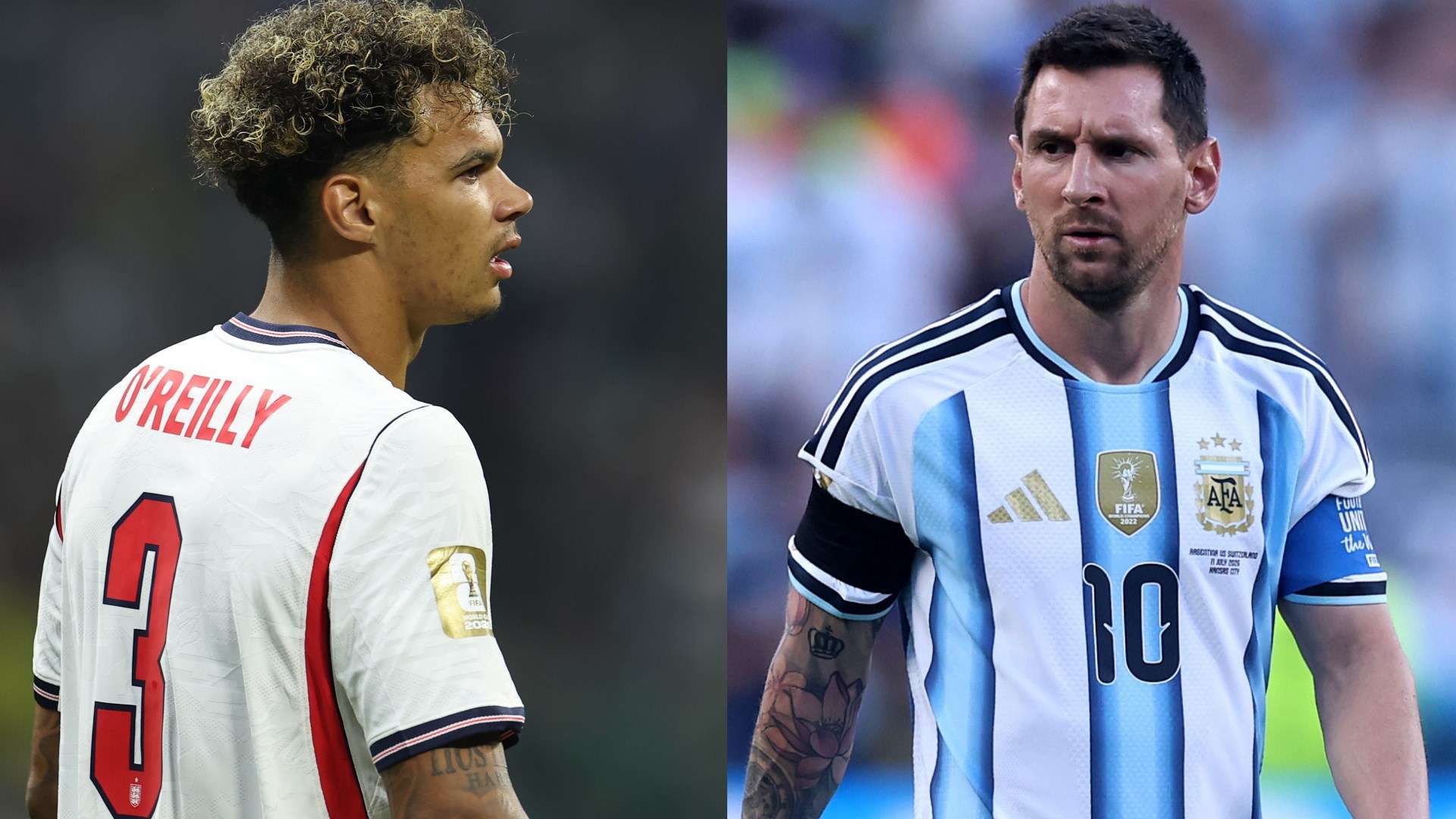
‘A dream chance!’ - Nico O'Reilly eager for Lionel Messi showdown as England get ready to battle Argentina legend in World Cup semi-final
-
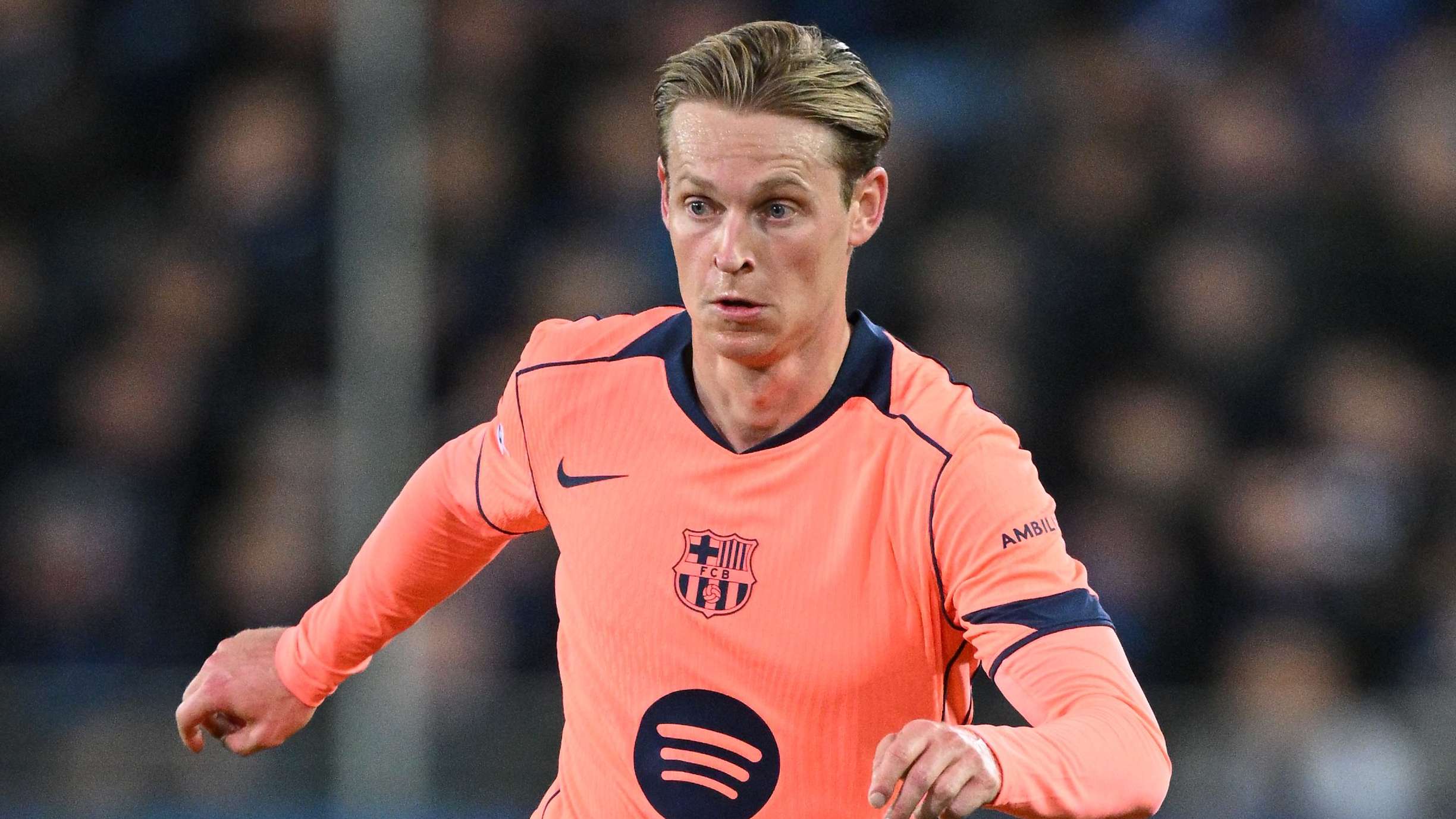
Major setback for Barcelona as Frenkie de Jong faces months out with knee injury after World Cup return
-
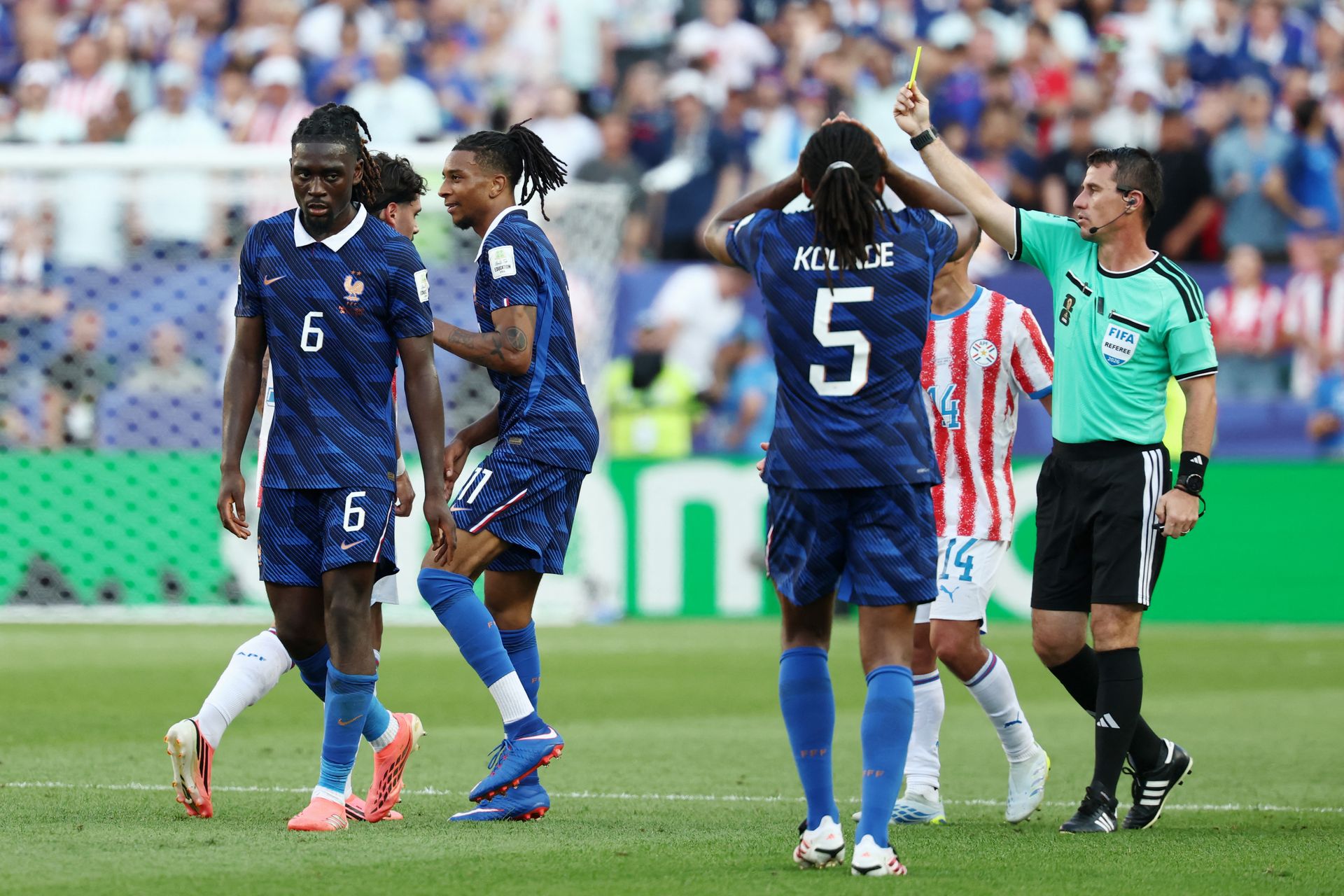
Will players be banned from the World Cup final if they receive a yellow card in the semi-final?
-
Cyberabad Police arrest 13 in cybercrime cases, Rs 76L refunded