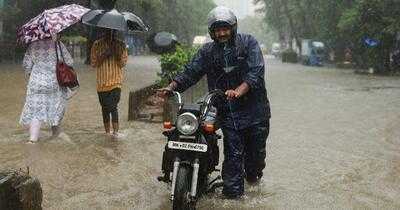
At the end of a week of incessant rains in which nine Mumbai residents died in a house collapse or because trees had fallen on them, apologists of the administration swarmed on to social media to offer absolution.
“No infrastructure in the world is designed to handle so much rain, but life is on in Mumbai,” pronounced one user on X. Proclaimed another, “No country in the world can have a city unflooded with such huge [amount] of rain in a short spell. Mumbai does better than many despite all its faults.”
In the 24-hour period until Sunday morning, the Colaba weather station in South Mumbai recorded 265.6 mm of rainfall – its wettest July day in five decades. The gauge at the Santa Cruz station to the north received 227.7 mm of rain, the second-highest figure for July in five years.
While the intensity of the rainfall was unusual, the administration and its supporters are ignoring the obvious: in the era of climate change, the exceptional is the new normal.
There is no shortage of research about the risks that Mumbai faces from climate change. For instance, a climate action plan published by the city’s municipal corporation in 2022 noted that Mumbai “has been witnessing a steady increase in extreme rainfall events”.
Earlier this year, experts at Azim...
Read more
-
Kylian Mbappe Responds to Racist Remarks from Paraguayan Senator

-
Venezuela Earthquake Death Toll Surges Amid Ongoing Relief Efforts
-
How did Lamine Yamal and Inés García meet? A look at Spain star's relationship with influencer

-
Insta360 X6 could launch soon with a larger sensor, US FCC filing suggests

-
Kylian Mbappe slams Paraguayan senator over offensive remarks