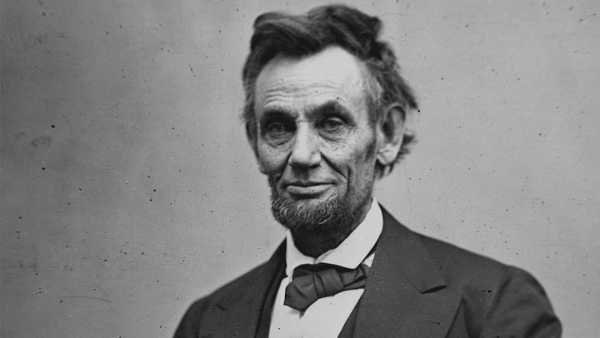
Abraham Lincoln was the 16th President of the United States and is widely regarded as one of the greatest leaders in American history. Born on 12 February 1809 in Kentucky, Lincoln led the nation through the American Civil War and played a pivotal role in abolishing slavery through the Emancipation Proclamation. Known for his integrity, determination and powerful speeches, he championed equality, democracy and national unity. His leadership and wisdom continue to inspire people around the world, making his words timeless sources of motivation.
Quote And Its Meaning
“The best way to predict your future is to create it.” — Attributed to Abraham Lincoln
This quote encourages people to take responsibility for shaping their own future instead of waiting for circumstances to determine their destiny. It suggests that success is built through action, perseverance and thoughtful decision-making rather than luck or chance.
The message inspires individuals to focus on what they can control—setting goals, working hard and embracing opportunities for growth. Instead of worrying about what lies ahead, the quote reminds us that today's choices and efforts lay the foundation for tomorrow's achievements. Whether in education, career or personal life, creating the future you want requires courage, discipline and a willingness to keep moving forward despite obstacles.
When And Where Was It Said?
Although the quote is commonly attributed to Abraham Lincoln, there is no verified historical evidence that he ever said or wrote it. In fact, quotation researchers generally regard this attribution as misattributed. Similar ideas have appeared in modern motivational literature, and the saying has also been linked to management expert Peter Drucker, though the exact origin remains uncertain.
As a result, there is no confirmed date, location or speech in which Abraham Lincoln used these words. When publishing or quoting it, it is more accurate to describe it as "widely attributed to Abraham Lincoln" rather than presenting it as a verified Lincoln quotation.
-
Why Manchester United Have Renewed Their Pursuit of Chelsea Midfielder Andrey Santos

-
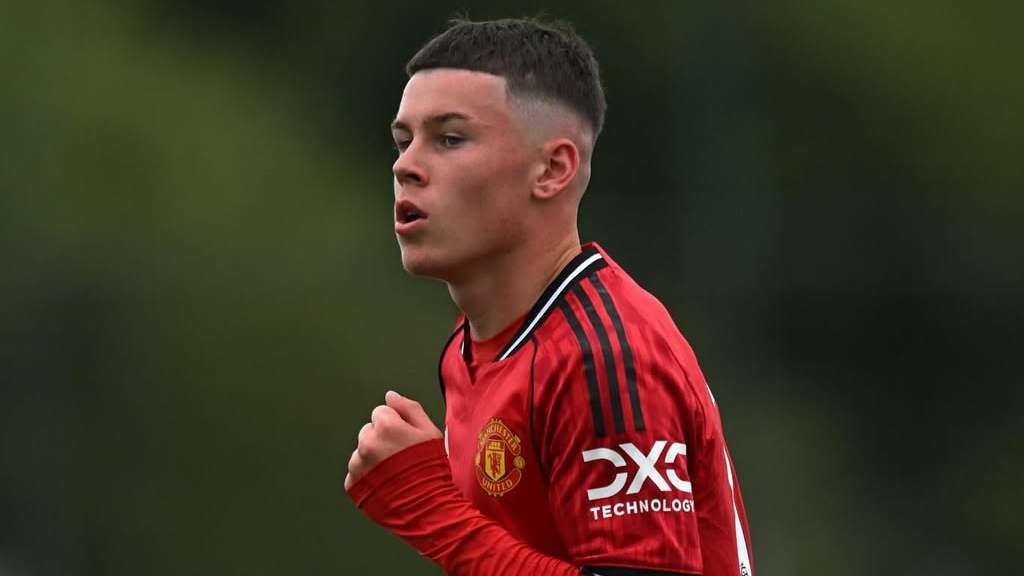
Kai Rooney signs Manchester United scholarship alongside Michael Carrick’s son Jacey as proud father Wayne attends ceremony at Old Trafford
-
Ram Temple Trust To Hold Meet Amid Donation Row; Champat Rai Resignations In Focus

-
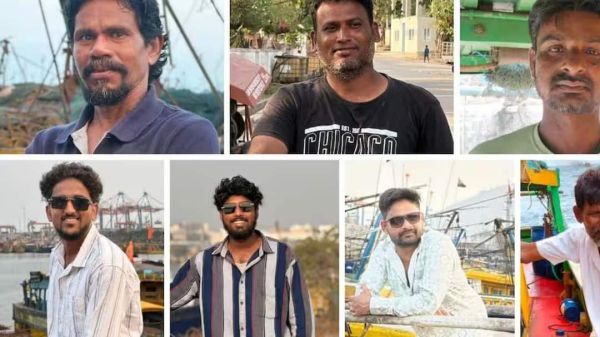
7 Fishermen Missing Off Visakhapatnam Coast; Navy, Coast Guard Launch Massive Search
-
6 Dead In Mankhurd House Collapse Amid Heavy Downpour; More Casualties Feared