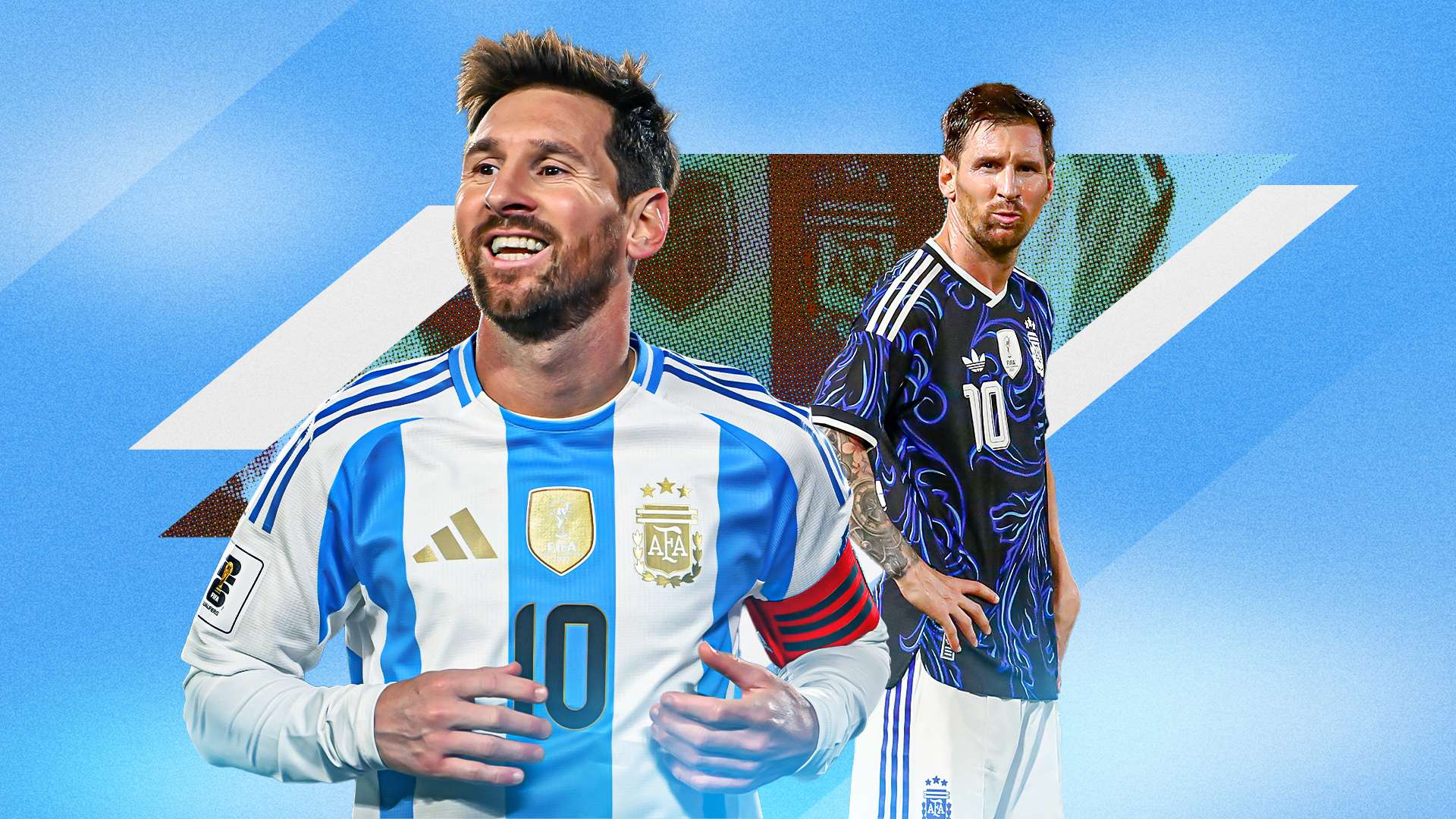
Argentina’s head coach Lionel Scaloni has named Lionel Messi in his squad for the 2026 World Cup, even though the captain is not “fully fit”. This announcement didn’t raise many eyebrows, as it was widely expected that Messi would be part of La Albiceleste’s title defence – and equally unlikely that he would arrive at the tournament in peak physical condition.
At 38 years old, turning 39 later this month, it’s no surprise that Inter Miami confirmed he is currently dealing with “overload associated with muscle fatigue in his left hamstring”. That particular muscle has endured tremendous stress for more than two decades.
It’s therefore natural to wonder why Messi continues to push his body so hard when most players his age have already retired. After all, he has nothing left to prove or accomplish. He essentially “completed football” by lifting the World Cup in Qatar – a triumph so commanding that it finally ended the long-standing GOAT debate.
So, what could Messi possibly gain by playing in a sixth World Cup? Or is he now so comfortable with his legendary status that he feels there’s nothing left to lose?
Dream realised
Few players are lucky enough to decide when their international careers will end. Usually, that choice is made for them – sometimes by a coach, sometimes by injury.
Even those fortunate enough to retire on their own terms rarely get to bow out at the pinnacle of success. For Messi, however, the perfect exit opportunity came after achieving his lifelong dream – winning the World Cup.
Lifting that trophy had always been his ultimate goal, and his inability to emulate Diego Maradona by leading Argentina to victory on football’s biggest stage had long been used to criticise him, as if it somehow diminished his otherwise unmatched excellence.
But just when it seemed like Messi’s “childhood dream” had ended following Argentina’s last-16 exit at Russia 2018, he made it come true in the most spectacular fashion imaginable in Qatar.
Surreal genius
What Messi achieved in 2022 defied logic. At 35, he outplayed footballers nearly 15 years younger – like Josko Gvardiol, who later admitted he felt honoured, not embarrassed, to have faced him.
“Tomorrow I can tell my children that I marked Messi for 90 minutes,” the Croatian defender said after their semi-final loss in Lusail.
Gvardiol wasn’t the only opponent who felt privileged to share the field with him. Australia’s Keanu Baccus remarked, “He looks unreal on the pitch. It’s surreal how good he actually is.”
Messi’s performances were especially extraordinary given the immense pressure he was under. Argentina arrived in Qatar on a 36-match unbeaten run as Copa America champions, but after a shock defeat to Saudi Arabia in their opener, they were facing elimination – and Messi’s leadership was once again under scrutiny.
Pure Hollywood
Yet, when his nation needed him most, Messi delivered. He broke the deadlock against Mexico in a must-win match and went on to become the first player to score in every stage – group, last 16, quarter-final, semi-final, and final – as Argentina captured their first World Cup since 1986. It was poetic, as no player since Maradona had dominated the tournament in such spectacular fashion.
After earning his fifth Player of the Match award in eight games, Messi couldn’t have asked for a better conclusion. It was pure Hollywood – and his joy was unmistakable.
“It’s madness,” he told TyC while clutching the trophy. “Look how beautiful she is! I wanted her so much. I knew this would be the one… She kept getting closer.
“I was lucky to have achieved everything in my career… and now the one thing missing is here. I wanted to end my career with this. I can’t ask for anything more. Thank God, he gave me everything.” Yet, despite achieving it all, Messi chose not to walk away.
Basking in the glory
After waiting so long to finally lift the World Cup, it’s no surprise Messi was reluctant to let it go.
“I’m taking the trophy back to Argentina to celebrate with all of you,” he told fans after what was arguably the greatest final ever played. “I love what I do, I love being with the national team, and I want to continue enjoying a few more games as a world champion.”
He had every right to do so. He had given everything for that moment, and he deserved to savour it.
But what followed wasn’t just a victory lap – it became clear Messi still wanted more silverware. His hunger for success remained as fierce as ever.
However, the biggest reason Messi continued playing for Argentina was simple – he was enjoying himself more than ever.
The Scaloni factor
Winning the World Cup changed everything for Messi. It lifted a weight he had carried since being dubbed Maradona’s successor. The victory liberated him. Yet, Messi has often said that for all his brilliance in Qatar, the triumph was a collective effort – and that’s what made it truly special.
Before Lionel Scaloni took charge, Messi had never experienced such a close bond with a coach or a team.
“From day one, he set out a clear vision,” Messi told ESPN last December. “The best part about him – beyond his tactics – is his connection with the group. The way he treats players, how he understands each one personally, and how he built this team from scratch, even bringing in players who weren’t well-known in Argentine football.
“We’re an amazing group that gets along really well, but in training or practice matches, if we have to go hard, we go hard. Everyone gives their all – that’s one of our greatest strengths.
“Scaloni and his coaching staff built this. The team spirit comes from them.” Of course, Messi played a huge part too.
One last mission for ‘Messi’s 11’
Despite years of criticism about his leadership, Messi has grown immensely as a captain. Once known for his quiet nature, he evolved into a leader unafraid to confront even towering opponents in the tunnel. This side of him was new to the world, but his teammates adored it.
Goalkeeper Emiliano Martinez once described the team as “lions who fight for Messi,” while Julian Alvarez said before the last Copa America that having their captain around made everything “better.”
Argentina became more than a team – they became a brotherhood. As 1986 World Cup winner Jorge Valdano put it, they were football’s version of “Ocean’s 11.”
“I saw a photo of the players getting off the bus, Messi leading them, the rest behind him in a triangle – that image said everything about Argentina,” Valdano told The Guardian. “You can see Leo’s happiness. He’s free.”
There were still doubts about whether Messi would play until 2026, especially after his Copa America 2024 campaign was cut short by injury. His World Cup journey could face similar risks.
But for Scaloni, including Messi was an easy decision. Even at 38, he continues to score, create, and inspire like no one else. His influence on the team is unlike anything Scaloni has ever seen – which is why, even back in 2022, he hinted at saving a spot for Messi in his 2026 squad.
Some fear Messi might risk his legacy in the United States, but that seems unlikely. Unlike his long-time rival Cristiano Ronaldo, Messi has already conquered the World Cup. Nothing can diminish his legacy. He “completed football” four years ago – now, he’s simply enjoying it.
-
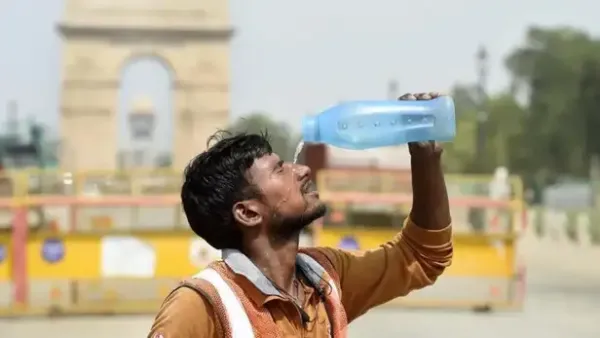
Heat will increase again in Delhi-NCR, temperature will reach 40°C today, chances of heatwave next week.
-
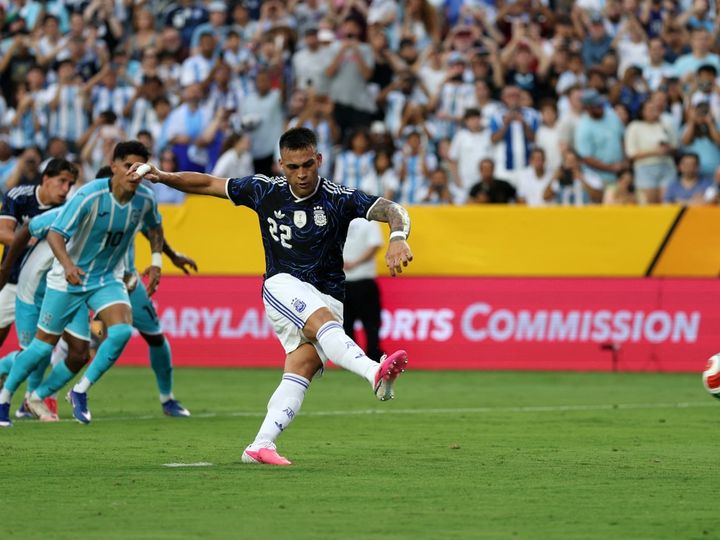
World Cup 2026 Warm-Up Results: Argentina Win Without Messi, Curacao Thrash Opponents, Brazil and Turkey Edge Narrow Victories
-
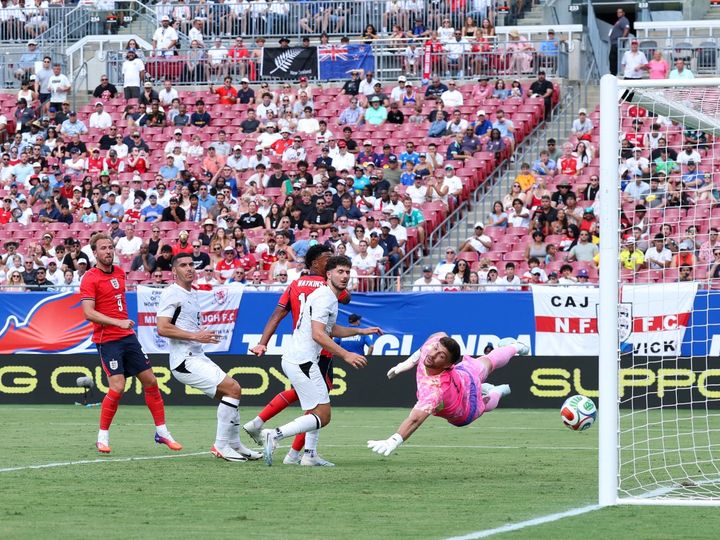
England Struggle Past World Cup 2026’s Weakest Side, Tuchel Disappointed Yet Satisfied
-
Allahabad HC denies Tauqeer Raza bail in Bareilly violence case
-
12 injured in shooting near Ohio festival; suspects sought