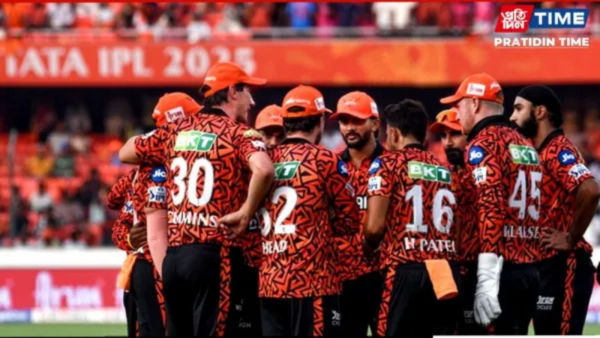
Overall, Sunrisers Hyderabad (SRH) had a satisfactory campaign in the Indian Premier League (IPL) season of 2026. But it could have been even better if the playoff match had ended on a different note. However, there were positive aspects in the SRH performance that were seen. Despite the heartbreaking eliminator exit by 47 runs to the Rajasthan Royals (RR), the team exhibited fighting spirit, unearthed talented youngsters like Sakib Hussain and Praful Hinge and piled up good scores consistently.
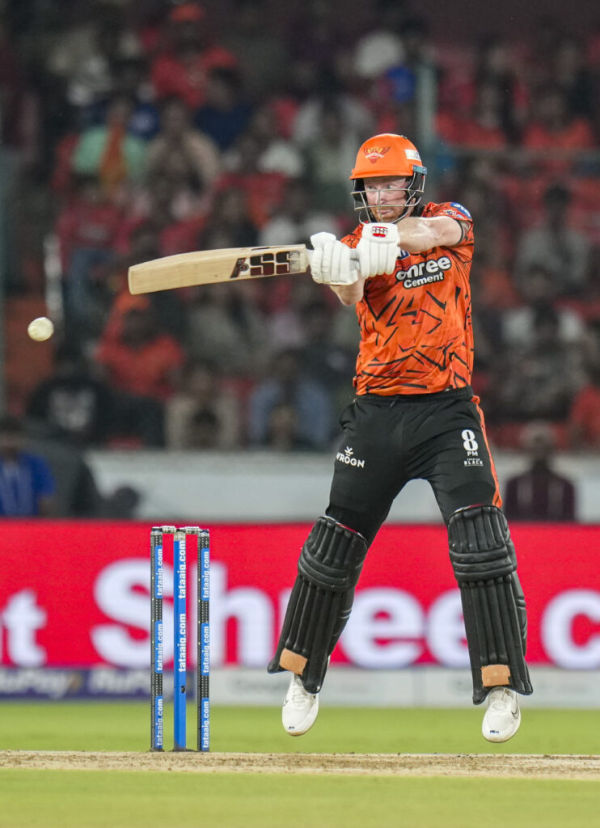
SRH had the most destructive top-order batting line in the event. Heinrich Klaasen (624 runs), Ishan Kishan (602 runs) and Abhishek Sharma (563 runs) – all had prolific seasons, while Travis Head comfortably breached the 400-run mark. After losing three of their first four games, the team leadership successfully reshuffled the squad and it fetched rewards instantly.
They introduced uncapped domestic players who nailed down their spots, resulting in a formidable five-match winning streak. Under the strategic leadership of Ishan Kishan (who led while Pat Cummins was absent) and coaches Daniel Vettori and James Franklin, SRH proved they weren’t just a one-dimensional squad. They adapted well to different pitches and were clinical when chasing mammoth totals.

League Stage results were good. A third-place finish on the final table with 18 points from nine wins and five losses was quite good, considering the high-pressure competition of the IPL. SRH became the second team to qualify for the playoffs before they lost to RR. Interestingly, statistics show that SRH has won 14 matches against RR in IPL history, while RR has beaten SRH only 10 times. But this time, SRH lost.
However, SRH smashed 200+ runs in nine different matches, establishing themselves as the most-feared batting unit in the tournament. Whenever SRH batters clicked, rival bowlers had no way to counter them.
SRH’s batting stars
Heinrich Klaasen was the standout, amassing a huge 624 runs and consistently battling for the Orange Cap. Having played a total of 64 matches in his entire IPL career, the 35-year-old is at his peak now. Ishan Kishan had a highly impactful season after joining the franchise, scoring heavily at the top of the order. Then there was Abhishek Sharma, who continued his aggressive run and compiled 563 runs, while Travis Head also topped 400.
But the negative aspect was that SRH’s batting relied heavily on their top four batters. When the top order failed, the middle order occasionally struggled to steady the innings, which ultimately proved costly in their knockout game against RR.
Team had good balance and depth
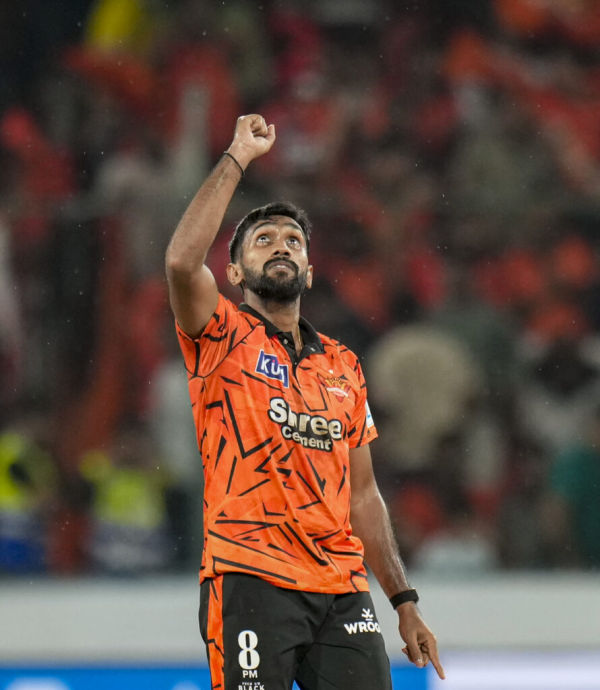
Young pacers Eshan Malinga (20 wickets) and Sakib Hussain (15 wickets) stepped up to lead the attack, alongside skipper and Aussie captain Pat Cummins. Nitish Kumar Reddy proved to be valuable with both bat and ball, while Klaasen also topped in grabbing catches.
However, after a stellar display in the league phase, SRH was eliminated from the playoffs at the very first hurdle. The bowling meltdown in the powerplay was the crucial factor.
What went wrong?
Captain Pat Cummins won the toss and elected to bowl, a strategic choice that backfired spectacularly. SRH’s bowlers ran into a typhoon in the shape of RR’s 15-year-old prodigy, Vaibhav Sooryavanshi. The youth smashed a breathtaking 97 runs off just 29 balls and hit an unprecedented eight sixes in the powerplay alone, thereby dismantling the plans of captain Cummins.
The skipper himself was mauled badly. He had no wickets to show, while giving away 64 runs. Pacer Sakib Hussain (0/52) was also punished. Although Praful Hinge fought back with three wickets, the damage was done as RR set up a mountainous target of 243 runs.
Chasing 244 in an eliminator requires an explosive start, but SRH’s feared opening pair cracked under the pressure. Abhishek Sharma was dismissed for a two-ball duck by Jofra Archer. Travis Head fell shortly after, bowled by Archer for 17 runs, leaving the middle order exposed in the opening minutes of the fight back. Perhaps the match was lost then and there.
Middle order did not hold fast
Ishan Kishan tried to spark a revival by launching a blistering 33 off 11 balls (strike rate of 300), giving SRH brief hope. But SRH’s anchor Heinrich Klaasen could only manage 18 off 10 balls before departing. Nitish Kumar Reddy (38 off 20) and Salil Arora (35 off 21) kept swinging, but against a disciplined RR bowling lineup led by Jofra Archer (3/58), wickets fell at regular intervals.
From 51 for 2, SRH slid to 81 for 5 before the team was eventually bundled out for 196 runs in 19.2 overs, ending their promising 2026 campaign on a disappointing note. SRH’s playoff performance exposed a critical reliance on their ultra-aggressive batting approach. While it allowed them to smash records in the league phase, the high-risk blueprint proved fragile under the severe pressure of the knockout stage.
As captain, Cummins had his ups and downs
Pat Cummins’ captaincy in IPL 2026 was defined by tactical flexibility and a fearless approach. However, his campaign ended under heavy criticism due to critical on-field errors during their playoff against the Rajasthan Royals. An analysis of his leadership reveals several key strengths and weaknesses throughout the season.
Firstly, due to a back injury that sidelined him for the first half of the tournament, Cummins relied heavily on Ishan Kishan to steer the ship. Later again, Cummins stepped back during his recovery, allowing Kishan to develop his own rhythm. On the field, Cummins adjusted his role to optimize SRH’s bowling structure. This flexible and non-egoistic approach was commendable.
The captain turned himself into a middle-overs enforcer. By relying heavily on crafty changes of pace, he recorded a tournament-best middle overs economy rate of 5.66 (minimum 50 balls bowled), acting as the ultimate pressure valve for his team.
Mistakes that Cummins made
The primary blemish on his captaincy came during the eliminator match, where his tactical choices completely collapsed under high knockout pressure. Opting to bowl first on a flat pitch backfired heavily against the confident RR top order.
As 15-year-old Vaibhav Sooryavanshi went on a rampage, Cummins erred in his bowling rotations. He failed to find an answer to the onslaught and his own bowling suffered drastically. Cummins built an SRH squad that only knew how to play at a 100 mph tempo. When the situation demanded a shift in gear, the team lacked a backup plan.
Cummins may drop out of 2027 IPL
After the IPL had ended, Cummins hinted that he may skip IPL 2027 as he reduces his workload during one of the busiest periods of his career. The Australian team faces a demanding calendar next year, beginning with a four-Test tour of India before returning home for the historic 150th anniversary Test against England.
That will be followed by the high-profile Ashes series and later the ODI World Cup in southern African nations.
Speaking to the Australian newspaper The Age, Cummins admitted that sacrifices may be required to ensure he remains fresh for Australia’s international assignments next year. The fast bowler hinted that franchise cricket could be one area where sacrifices will be necessary.
So SRH may have to make changes for the next season where captaincy is concerned. Maybe, SRH will have to appoint Ishan Kishan as its new permanent leader.
Tasks for SRH before 2027
While preparing for the 2027 season, the primary task before SRH will be to fix its tendency to collapse in the middle order, rotate the fast bowlers and improve fielding considerably. They also need to adapt their batting approach instead of relentlessly attacking in all conditions. While SRH’s aggressive openers are highly effective, the middle order should stabilise during difficult periods so that the aggressive lineup is supported by strong batting depth.
Moreover, (in all teams) bowling attacks often suffer from fatigue. SRH must implement a structured rotation cycle for their pace attack by using primary bowlers for a few games and introduce fresh quicks to maintain the intensity. The bowling unit should focus on variations and yorkers specifically for the death overs rather than relying entirely on hit-the-deck pace.
Sakib and Hinge are good prospects and need to be groomed along the right lines for the future good of SRH.
-
All the New FIFA Rules for the 2026 World Cup: Goalkeeper Timeout Ban, Five-Second Limits, and VAR Updates Explained
-
Complete Guide to Real Madrid’s 2026 Presidential Elections – Candidates, Eligibility, Schedule and Key Details

-
Real Madrid eye £130 million move for Michael Olise if Florentino Pérez secures re-election

-
De Berry Prepares Giant Screen to Attract International Tourists for the 2026 World Cup
-
Arne Slot breaks silence after Liverpool dismissal, responds to Reds’ announcement and shares heartfelt message with fans