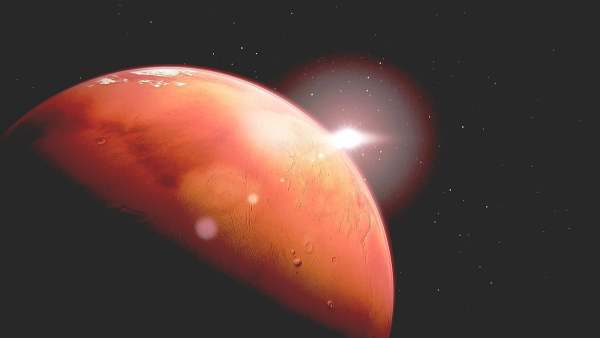
NASA has ended its MAVEN Mars mission after losing contact with the spacecraft in December 2025. Launched in 2013, MAVEN studied Mars’ atmosphere for over 11 years, far exceeding its planned life. A loss of signal after an orbital event likely caused a spin, draining power and cutting communications. NASA has confirmed it is irrecoverable and has begun decommissioning procedures.
Los Angeles: The Mars Atmosphere and Volatile Evolution (MAVEN), NASA's first mission devoted to observing the Martian atmosphere and its evolution, has officially come to an end after losing contact with its spacecraft last December, the agency has announced.
Blasting off on November 18, 2013, the spacecraft entered Mars' orbit on September 21, 2014. Originally designed for a one-year primary mission, the spacecraft operated at the Red Planet for more than 11 years and exceeded its planned mission life by more than a decade, according to NASA.
The spacecraft was last heard on December 6, 2025, when it experienced an unexpected loss of signal after it passed behind Mars, reports Xinhua news agency.
NASA convened an anomaly review board in February to evaluate recovery efforts and assess the spacecraft's condition.
-
Phil Foden sells £3.25m mansion with gym, pool and hot tub at reduced price after moving to countryside home

-
Jamie Carragher raises doubts over Andoni Iraola’s ability to settle at Liverpool

-
Germany Announce 2026 FIFA World Cup Squad, Fixtures and Full Schedule

-
Josko Gvardiol keen on Real Madrid move amid rising Man City exit speculation

-
Turkey Announces Official 2026 World Cup Squad, Golden Generation Aims to End 24-Year Wait