Transit visas explained: what they are, when Indians need them, and how to apply
ETimes | June 5, 2026 11:39 AM CST
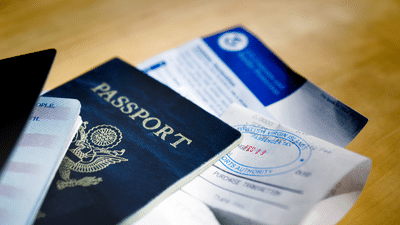
Imagine you landed at an international airport for a quick layover, and got to know that you cannot board your next flight, just because you do not have a transit visa . This is a problem for many passengers, specially those who are on multi-city trips overseas. With an increasing number of Indians traveling abroad for vacations, jobs, and university, getting a solid grip on transit visa regulations is now a crucial step in trip planning.
While recent European policy shifts have smoothed out layovers for Indian passport holders in specific countries, places like the US, the UK, and Canada still enforce rigid rules. Here is a practical guide breaking down exactly what a transit visa does, when Indian citizens actually need one, and the steps to apply.
What is a transit visa?Simply put, a transit visa is a temporary pass letting you travel through one country en route to your final stop. Don’t mistake it with your standard visa, this will not let you move in the country, go for sightseeing, or stick around for days. Its has only one job, to help you get your connecting flight.
Immigration officers usually want you to head straight to your destination without making unnecessary delay or detours in your trip.
Take, for instance, a flight from Delhi to Toronto with a stop in Amsterdam. Depending on your specific flight path, how the airline handles things, and whether you actually have to cross the Dutch border during the layover, you might need a transit visa to make it work.
Airside vs landside transit: The most important distinction
When figuring out transit rules, knowing the difference between airside and landside transit is very important.
Airside transitThis means you stay locked within the airport’s international zone and never cross formal immigration lines. Your luggage usually gets forwarded directly to your final stop, so you just walk over to your next boarding gate.
Landside transitThis happens when you physically have to pass through immigration and technically enter the country, even if it's just for an hour or two. You'll usually encounter this if:
When do Indians need a transit visa?The rules change drastically depending on where you're flying through, but there are a few standard triggers that force you to get a transit visa.
You’ll likely need one if:
Because these regulations are all over the map, always verify the most up-to-date rules with the embassy, consulate, your airline, or the official immigration site of the transit country before locking in your ticket purchase.
How do Indians apply for a transit visa?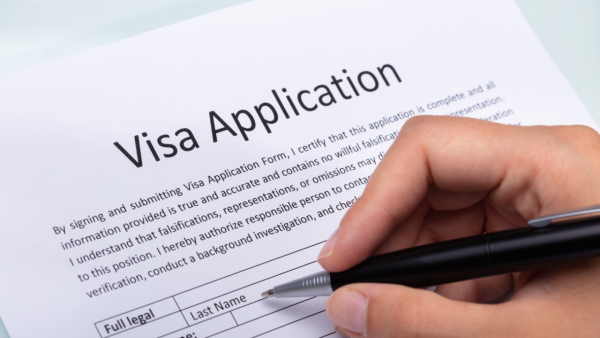
Every country has its own process, but the bulk of transit visa applications ask for the exact same paperwork.
Essential documents
If you're routing through the US, you have to fill out the DS-160 form online, pay the mandatory fee, and show up for an in-person consular interview.
Canada handles things digitally, you apply online via Immigration, Refugees and Citizenship Canada (IRCC) and then submit your biometrics.
On the flip side, getting a transit visa for spots like the UAE is a breeze. Airlines like Emirates, Etihad, and Flydubai often process these directly for you, making the whole ordeal incredibly smooth.
Common mistakes travellers should avoid Assuming a layover is always visa-freeA lot of flyers just figure that changing planes doesn't require a visa. That's a huge misconception. Plenty of nations demand transit visas even if you're only touching the ground for a couple of hours.
Booking separate ticketsFiguring out a "self-transfer" itinerary is a prime way to trigger surprise visa rules. If you have to grab your bags and check them back in yourself, you usually need a visa that officially lets you enter the transit country.
Ignoring airport terminal changesAt massive international hubs, just swapping terminals might force you through passport control. Look into the specific airport's layout and rules before buying your ticket.
Relying on another country's visaHaving a US or UK visa in your passport can sometimes magically waive your transit visa requirements, but it always comes with strings attached. Make sure to read the fine print before heading to the airport.
Recent changes Indian travellers should knowThings have actually gotten a lot friendlier for Indian flyers lately. Spain scrapped its airport transit visa mandate for Indian citizens in March 2026. France followed suit in April 2026, and Germany joined the party with a similar waiver in June 2026. Governments rolled out these updates specifically to smooth out travel friction and boost their flight connections with India.
At the same time, the UAE broadened its visa-on-arrival perks for Indian passport holders. If you have a valid visa, residency permit, or green card from several specific countries, including the US, UK, or EU, you are good to go. Whereas for Canada, Australia, Japan, New Zealand, Singapore, and South Korea, a residence permit would work.
These shifts have turned once-complicated international routes into highly appealing, stress-free options for Indian tourists.
Ultimately, whether you are jetting off to North America , Europe, or anywhere else on the map, looking up transit visa rules is just as vital as booking the actual flight. Spending a few extra minutes doing your homework before takeoff can save you from missed connections, wasted money, and the heartbreak of being denied boarding.
While recent European policy shifts have smoothed out layovers for Indian passport holders in specific countries, places like the US, the UK, and Canada still enforce rigid rules. Here is a practical guide breaking down exactly what a transit visa does, when Indian citizens actually need one, and the steps to apply.
What is a transit visa?Simply put, a transit visa is a temporary pass letting you travel through one country en route to your final stop. Don’t mistake it with your standard visa, this will not let you move in the country, go for sightseeing, or stick around for days. Its has only one job, to help you get your connecting flight.
Immigration officers usually want you to head straight to your destination without making unnecessary delay or detours in your trip.
Take, for instance, a flight from Delhi to Toronto with a stop in Amsterdam. Depending on your specific flight path, how the airline handles things, and whether you actually have to cross the Dutch border during the layover, you might need a transit visa to make it work.
Airside vs landside transit: The most important distinction
When figuring out transit rules, knowing the difference between airside and landside transit is very important.
Airside transitThis means you stay locked within the airport’s international zone and never cross formal immigration lines. Your luggage usually gets forwarded directly to your final stop, so you just walk over to your next boarding gate.
Landside transitThis happens when you physically have to pass through immigration and technically enter the country, even if it's just for an hour or two. You'll usually encounter this if:
- You bought separate tickets on completely different airlines.
- You have to grab your bags from the carousel and check them in again.
- Your itinerary forces you to switch airports entirely.
- Your layover stretches overnight, requiring you to sleep outside the airport's designated transit zone.
When do Indians need a transit visa?The rules change drastically depending on where you're flying through, but there are a few standard triggers that force you to get a transit visa.
You’ll likely need one if:
- The layover country strictly demands a visa for your specific nationality, regardless of how brief the stop is.
- You have to step out of the international transit zone and clear immigration.
- You booked your flights separately and have to manage your own baggage transfer.
- You have to travel between different airports in the same layover city.
- Your connection involves spending the night at a hotel outside the airport.
- The airport you're landing at doesn't actually have a sterile, airside transit lounge.
- You don't meet the criteria for any specific visa waivers that the transit country might offer.
Because these regulations are all over the map, always verify the most up-to-date rules with the embassy, consulate, your airline, or the official immigration site of the transit country before locking in your ticket purchase.
How do Indians apply for a transit visa?
Every country has its own process, but the bulk of transit visa applications ask for the exact same paperwork.
Essential documents
- A valid passport with plenty of validity left
- Confirmed flight tickets showing your onward journey
- A valid visa or entry permit for your ultimate destination
- Standard passport-sized photos
- Bank statements or other proof that you can financially support yourself
- Travel insurance (where required)
If you're routing through the US, you have to fill out the DS-160 form online, pay the mandatory fee, and show up for an in-person consular interview.
Canada handles things digitally, you apply online via Immigration, Refugees and Citizenship Canada (IRCC) and then submit your biometrics.
On the flip side, getting a transit visa for spots like the UAE is a breeze. Airlines like Emirates, Etihad, and Flydubai often process these directly for you, making the whole ordeal incredibly smooth.
Common mistakes travellers should avoid Assuming a layover is always visa-freeA lot of flyers just figure that changing planes doesn't require a visa. That's a huge misconception. Plenty of nations demand transit visas even if you're only touching the ground for a couple of hours.
Booking separate ticketsFiguring out a "self-transfer" itinerary is a prime way to trigger surprise visa rules. If you have to grab your bags and check them back in yourself, you usually need a visa that officially lets you enter the transit country.
Ignoring airport terminal changesAt massive international hubs, just swapping terminals might force you through passport control. Look into the specific airport's layout and rules before buying your ticket.
Relying on another country's visaHaving a US or UK visa in your passport can sometimes magically waive your transit visa requirements, but it always comes with strings attached. Make sure to read the fine print before heading to the airport.
Recent changes Indian travellers should knowThings have actually gotten a lot friendlier for Indian flyers lately. Spain scrapped its airport transit visa mandate for Indian citizens in March 2026. France followed suit in April 2026, and Germany joined the party with a similar waiver in June 2026. Governments rolled out these updates specifically to smooth out travel friction and boost their flight connections with India.
At the same time, the UAE broadened its visa-on-arrival perks for Indian passport holders. If you have a valid visa, residency permit, or green card from several specific countries, including the US, UK, or EU, you are good to go. Whereas for Canada, Australia, Japan, New Zealand, Singapore, and South Korea, a residence permit would work.
These shifts have turned once-complicated international routes into highly appealing, stress-free options for Indian tourists.
Ultimately, whether you are jetting off to North America , Europe, or anywhere else on the map, looking up transit visa rules is just as vital as booking the actual flight. Spending a few extra minutes doing your homework before takeoff can save you from missed connections, wasted money, and the heartbreak of being denied boarding.
READ NEXT
-
‘I broke down in my parents’ arms’ – Chelsea’s Estevao Willian shares emotional account of injury that ended his World Cup dream with Brazil

-
Liverpool: Rio Ngumoha’s stance on potential transfer exit revealed amid Bayern Munich interest

-
Who Is Mohamed Amoura? A Quick Two-Minute Scout Breakdown of Wolfsburg’s Rising Star

-
Arsenal include Morgan Gibbs-White in transfer plans as Mikel Arteta aims to bolster champions' forward line

-
Who is Saba Kharebashvili? FourFourTwo’s quick scout report on Georgia’s rising left-back star