Why Your Teeth Turn Yellow Even After Daily Brushing
Stay Young | May 18, 2026 3:39 PM CST
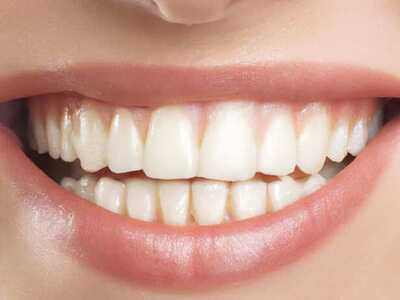
You brush your teeth every morning. Sometimes twice a day. You avoid skipping toothpaste. You rinse properly. You even try whitening products. Yet one day, while looking in the mirror or smiling in a photo, you suddenly notice something frustrating. Your teeth still look yellow. And that is where most people become confused. Yellow teeth are not always caused by poor hygiene. In fact, some people with very clean teeth still struggle with discoloration. The real reason is much deeper than most people realize, and once you understand the science behind it, everything starts making sense.
Your Teeth Were Never Pure White
Most people believe healthy teeth should look perfectly white, but that is not actually natural. Teeth are made of layers. The outer layer is called enamel, which appears white and slightly transparent. Beneath it is dentin, which naturally has a yellow tone. When enamel is thick and healthy, the teeth look brighter. But as enamel becomes thinner, the yellow dentin underneath starts becoming more visible. This is why even people with excellent oral hygiene can still notice yellowing. It is not always about stains. Sometimes it is simply the natural structure of the teeth slowly revealing itself.
The Aging Process Quietly Changes Teeth

One of the biggest reasons teeth turn yellow is aging. Every year, the enamel slowly wears down because of chewing, brushing, acidic foods, and daily use. This happens naturally to almost everyone. As enamel becomes thinner, the darker dentin layer underneath becomes easier to see. That is why older adults often notice yellowing even if they maintain good dental habits. Many people wrongly assume their teeth are dirty when the real issue is structural change. Whitening toothpaste can help surface stains slightly, but it cannot completely reverse the natural thinning of enamel caused by time.
Drinks And Foods Leave Hidden StainsSome of the most common foods and drinks slowly stain teeth every single day without people noticing immediately. Tea, coffee, cola, red wine, tobacco, and energy drinks leave pigments on the enamel surface. These stains build gradually and become harder to remove over time. Even healthy foods like citrus fruits can increase enamel erosion if consumed excessively. The surprising part is that brushing immediately after acidic drinks can sometimes damage softened enamel further. Dentists usually recommend rinsing with water first and waiting before brushing. Small daily habits silently affect tooth color more than most people realize.
The Damage Happens Deeper Than You ThinkNot all yellow teeth are caused by external stains. Sometimes the discoloration happens inside the tooth itself. This is called intrinsic discoloration, and it can be caused by childhood illnesses, certain medicines like tetracycline, excess fluoride exposure, trauma, or genetics. Some people naturally have darker dentin than others. In these cases, normal brushing or whitening toothpaste may not create dramatic changes because the color exists beneath the surface. This is why two people with the same brushing routine can still have completely different tooth shades. Genetics often play a much bigger role than people expect.
Your Mouth Needs More Saliva Than You ThinkSaliva quietly protects your teeth every day. It helps wash away food particles, neutralize acids, and reduce stain buildup. But when saliva production decreases because of dehydration, mouth breathing, stress, or certain medications, teeth become more vulnerable to staining and enamel damage. Many people never connect dry mouth with yellow teeth, even though the link is very important. Without enough saliva, bacteria and acids stay on the teeth longer, slowly affecting their appearance. Drinking enough water and maintaining proper oral hydration can make a bigger difference than many expensive whitening products advertised online.
Discover expert advice and the latest updates in Skin Care, Hair Care, Wellness, Dermatology, and more at Stay Young guide to lasting beauty and holistic health!
Your Teeth Were Never Pure White
Teeth contain natural yellow dentin beneath the outer white enamel layer.
Most people believe healthy teeth should look perfectly white, but that is not actually natural. Teeth are made of layers. The outer layer is called enamel, which appears white and slightly transparent. Beneath it is dentin, which naturally has a yellow tone. When enamel is thick and healthy, the teeth look brighter. But as enamel becomes thinner, the yellow dentin underneath starts becoming more visible. This is why even people with excellent oral hygiene can still notice yellowing. It is not always about stains. Sometimes it is simply the natural structure of the teeth slowly revealing itself.
The Aging Process Quietly Changes Teeth
Enamel thinning, plaque buildup, aging, and certain medications can make teeth appear yellow over time.
One of the biggest reasons teeth turn yellow is aging. Every year, the enamel slowly wears down because of chewing, brushing, acidic foods, and daily use. This happens naturally to almost everyone. As enamel becomes thinner, the darker dentin layer underneath becomes easier to see. That is why older adults often notice yellowing even if they maintain good dental habits. Many people wrongly assume their teeth are dirty when the real issue is structural change. Whitening toothpaste can help surface stains slightly, but it cannot completely reverse the natural thinning of enamel caused by time.
Drinks And Foods Leave Hidden StainsSome of the most common foods and drinks slowly stain teeth every single day without people noticing immediately. Tea, coffee, cola, red wine, tobacco, and energy drinks leave pigments on the enamel surface. These stains build gradually and become harder to remove over time. Even healthy foods like citrus fruits can increase enamel erosion if consumed excessively. The surprising part is that brushing immediately after acidic drinks can sometimes damage softened enamel further. Dentists usually recommend rinsing with water first and waiting before brushing. Small daily habits silently affect tooth color more than most people realize.
The Damage Happens Deeper Than You ThinkNot all yellow teeth are caused by external stains. Sometimes the discoloration happens inside the tooth itself. This is called intrinsic discoloration, and it can be caused by childhood illnesses, certain medicines like tetracycline, excess fluoride exposure, trauma, or genetics. Some people naturally have darker dentin than others. In these cases, normal brushing or whitening toothpaste may not create dramatic changes because the color exists beneath the surface. This is why two people with the same brushing routine can still have completely different tooth shades. Genetics often play a much bigger role than people expect.
Your Mouth Needs More Saliva Than You ThinkSaliva quietly protects your teeth every day. It helps wash away food particles, neutralize acids, and reduce stain buildup. But when saliva production decreases because of dehydration, mouth breathing, stress, or certain medications, teeth become more vulnerable to staining and enamel damage. Many people never connect dry mouth with yellow teeth, even though the link is very important. Without enough saliva, bacteria and acids stay on the teeth longer, slowly affecting their appearance. Drinking enough water and maintaining proper oral hydration can make a bigger difference than many expensive whitening products advertised online.
Discover expert advice and the latest updates in Skin Care, Hair Care, Wellness, Dermatology, and more at Stay Young guide to lasting beauty and holistic health!
READ NEXT
-
Be careful of adulterated ghee, this is how you can identify pure desi ghee sitting at home…
-
Study Finds There’s A Sleep Sweet Spot & Snoozing Less Or More Can Make You Age Faster

-
Life Finally Gets Better For 3 Zodiac Signs After May 20, 2026
-
Stilta raises $10.5M from a16z and YC to help companies rediscover the patents they forgot they had

-
Annapurna Bhandar Portal Launched, Application Details