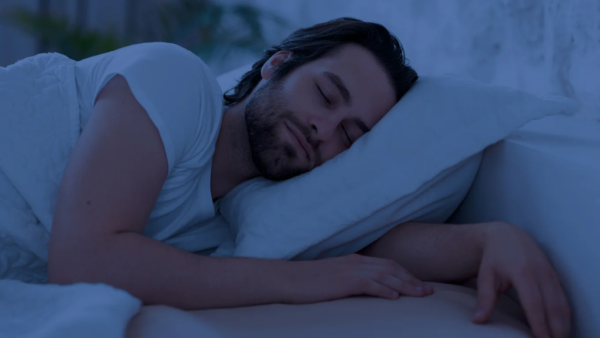
We all know how important sleep is for our health. Getting a solid eight hours of sleep each night is the ideal, and anything less is treated as a serious concern. However, sleeping too little isn’t the only thing that affects our overall well-being.
According to new research, sleeping too much can also cause us problems, including faster aging of various organ systems. Thus, scientists are recommending a “sweet spot” of sleep time to help you aim for just the right amount.
A recent study found that sleeping too much or too little can accelerate biological aging.
An international team operating under the MULTI Consortium conducted the study using data from the UK Biobank, a large health research database. By examining a combination of brain and organ MRI scans, blood proteins, and chemical byproducts in the bloodstream, they were able to determine each person’s biological “aging clock,” which they then compared to their reported average time spent sleeping.
KieferPix | Shutterstock
The results actually showed that those who got “short sleep” (less than 6 hours) and those who got “long sleep” (more than 8 hours) often exhibited something the researchers called “biological age gaps.” This term refers to the discrepancy between a participant’s actual age and the determined “age” and function of their organs.
Now, what exactly is the best amount of sleep to keep your body young? The team claims that the “sweet spot” for sleeping that best supports your health is between 6.4 and 7.8 hours. Outside of this window, you’re putting yourself at a higher risk for disease and a greater hazard of dying sooner.
: Your Sleep Schedule Quietly Reveals A Lot About Your Personality, Says Science
Short sleep and long sleep affect different parts of the body.
While both too much and too little sleep are detrimental to health and well-being overall, specific areas experience more harm when you sleep too little versus too much.
Short sleep showed stronger ties to causing havoc in the body, including cardiovascular disease, type 2 diabetes, lower back pain, and osteoarthritis. In follow-up studies performed to see whether these individuals developed conditions later on, the team discovered higher risks of irregular heart rhythms, high blood pressure, asthma, obesity, and kidney disease, to name a few.
On the other hand, long sleep was generally more associated with brain- and psychiatric conditions. Major depressive disorder, schizophrenia, bipolar disorder, and ADHD were commonly found in participants who slept over 8 hours regularly.
However, the researchers noted that engaging in long sleep is likely not a direct cause of these mental health issues. Rather, it’s a signal or symptom of a preexisting problem within the brain.
: The Kinda Sad Psychological Reason Some People Can’t Sleep Without Background Noise
Other sleep hygiene habits can help you ensure that your body is relaxed and refreshed while you rest.
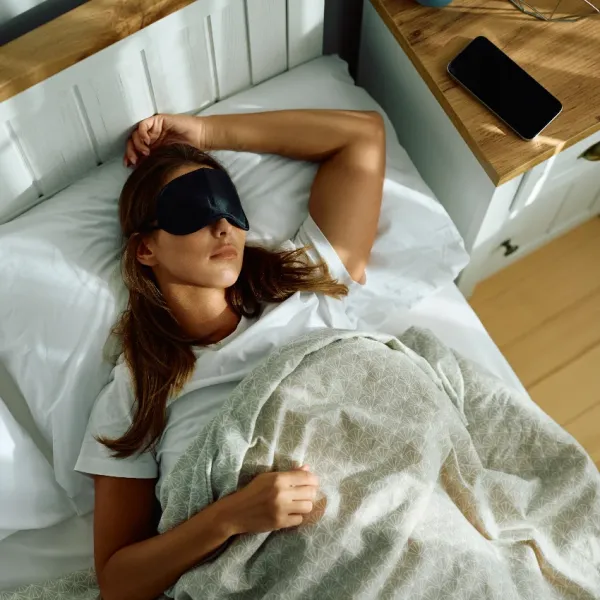
Having good sleep hygiene basically comes down to setting habits and following routines that optimize your sleep. Your body prefers a consistent schedule, so trying to go to bed and wake up around the same time every day can help regulate your internal clock. You’ll be able to fall asleep more easily and be more alert during the day.
 Drazen Zigic | Shutterstock
Another big factor is what you do directly before you go to bed each night. Research shows that having caffeine late in the day can interfere with your sleep, so it might be best to cut off coffee or energy drinks in the afternoon and evening. Bright screens and lighting also make it harder for your brain to release melatonin, an important sleep hormone. Dim the lights and put your phone away to allow yourself to wind down more naturally.
: If You Wake Up Feeling Tired, Science Says This One Habit Is Just As Powerful As An Extra Hour Of Sleep
Kayla Asbach is a writer with a bachelor’s degree from the University of Central Florida. She covers relationships, psychology, self-help, pop culture, and human interest topics.
-
Are you troubled by hair itching and dandruff in summer? Wash your hair with these natural things, you will get instant relief.

-
Aloo Bonda Gets Contestant Immunity Pin By Chef Gordon Ramsay On Masterchef Global

-
Change these habits of yours immediately! Increases the risk of snake bite

-
Today a very special combination of planets is taking place, ‘Gajkesari Rajyoga’, luck will open for people of these 4 zodiac signs.

-
Radioactive stardust from ancient supernovae found trapped in Antarctic ice: Study