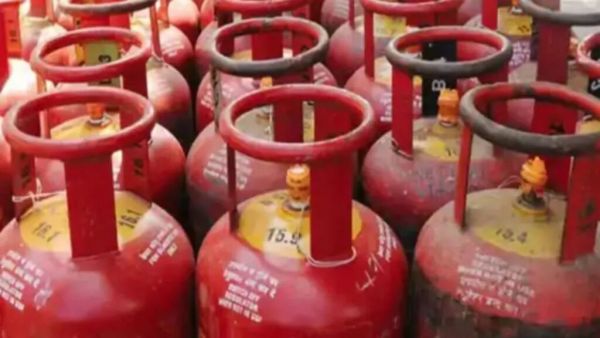
LPG Crisis: A major change can be seen regarding domestic LPG cylinders in the coming time. Preparations are underway to supply approximately 10 kg of gas in a 14.2 kg cylinder. Disruption in gas supply due to the war with Iran and rapidly depleting LPG stocks in the country are the main reasons behind this. But the decision to reduce the weight of domestic LPG cylinders from 14.2 kg to 10 kg is considered significant from many points of view. But it also has some side effects.
Advantages of reducing the weight of LPG from 14 kg to 10 kg
1. Expenses for the month will be broken down: Since there is less gas in the cylinder, it will run out sooner. That is, a typical household would have to rebook the cylinder every month or less, which could change the monthly cost calculation.
2. Cost Reduction: Reduction in the weight of the cylinder will reduce its cost per cylinder. For economically weaker households, it will be easier to buy a cylinder for Rs 700-800 instead of spending Rs 1,100-1,200 upfront.
3. Physical Accessibility and Safety: A full cylinder weighing 14.2 kg (including iron weights) has a total weight of approximately 30 kg. Reducing this weight to 10 kg will make the cylinder lighter, making it safer and easier for women and the elderly to lift or move it.
4. Reduction in Accidents: This will reduce the chances of bodily injury or accidents from falls while handling heavy cylinders.
5. Transportation: Lightweight cylinders will be easy for delivery personnel to carry up to multi-storey buildings.
6. Refilling cycle: As the weight of gas decreases, consumers will have to book more frequently, which may increase the pressure on gas agencies to manage bookings and deliveries.
7. Fuel Savings: Due to the current war (Iran-US conflict) and the closure of the Strait of Hormuz, the global supply of crude oil and gas has decreased, so this decision will help more people have access to gas. It is a form of rationing to ensure fair distribution of stocks.
The decision to reduce the weight of domestic LPG cylinders from 14.2 kg to 8-10 kg is a major administrative change. Given the current global situation and gas scarcity, this will have far-reaching consequences.
Disadvantages
1. Requirement of frequent refilling: Since there is less gas in the cylinder, it will run out sooner. This means customers will have to book cylinders twice a month or even more often throughout the year, adding to the hassle of booking and delivery.
2. Pressure on cooking budget: Although one cylinder may seem cheap, the total monthly cost can add up. Gas shortages will force housewives to change cooking arrangements frequently, disrupting the daily routine of middle-class families.
3. DELIVERY CHARGES AND LOGISTICS COSTS: Customers will now have to order cylinders more frequently throughout the year. If a service charge or delivery tip is charged on each delivery, the annual cost will increase. Furthermore, gas agencies will be under pressure to deliver more frequently, which will increase fuel (petrol/diesel) consumption.
4. Fear of commercial use: Smaller and lighter cylinders may be easier to illegally transport for commercial use (hotels or street vendors), potentially affecting domestic quotas.
-
Quote of the day by Adi Shankaracharya: “Who is more self-deluded than he who is careless of his own welfare after gaining a hard-won human birth and manhood, too?”; what the philosopher advises on making human life meaningful

-
How to clean silver items naturally: 5 Easy home remedies that can restore their shine

-
Sadie Sink's first look in 'Spider-Man: Brand New Day': New clip sparks fresh debate - 'The jeans grey stuff was obvious bait'

-
Lock Upp 2: Harshad Chopda gets evicted from the reality show; fans react

-
A'ja Wilson's boyfriend Bam Adebayo shares true feelings after her eighth All-Star nod