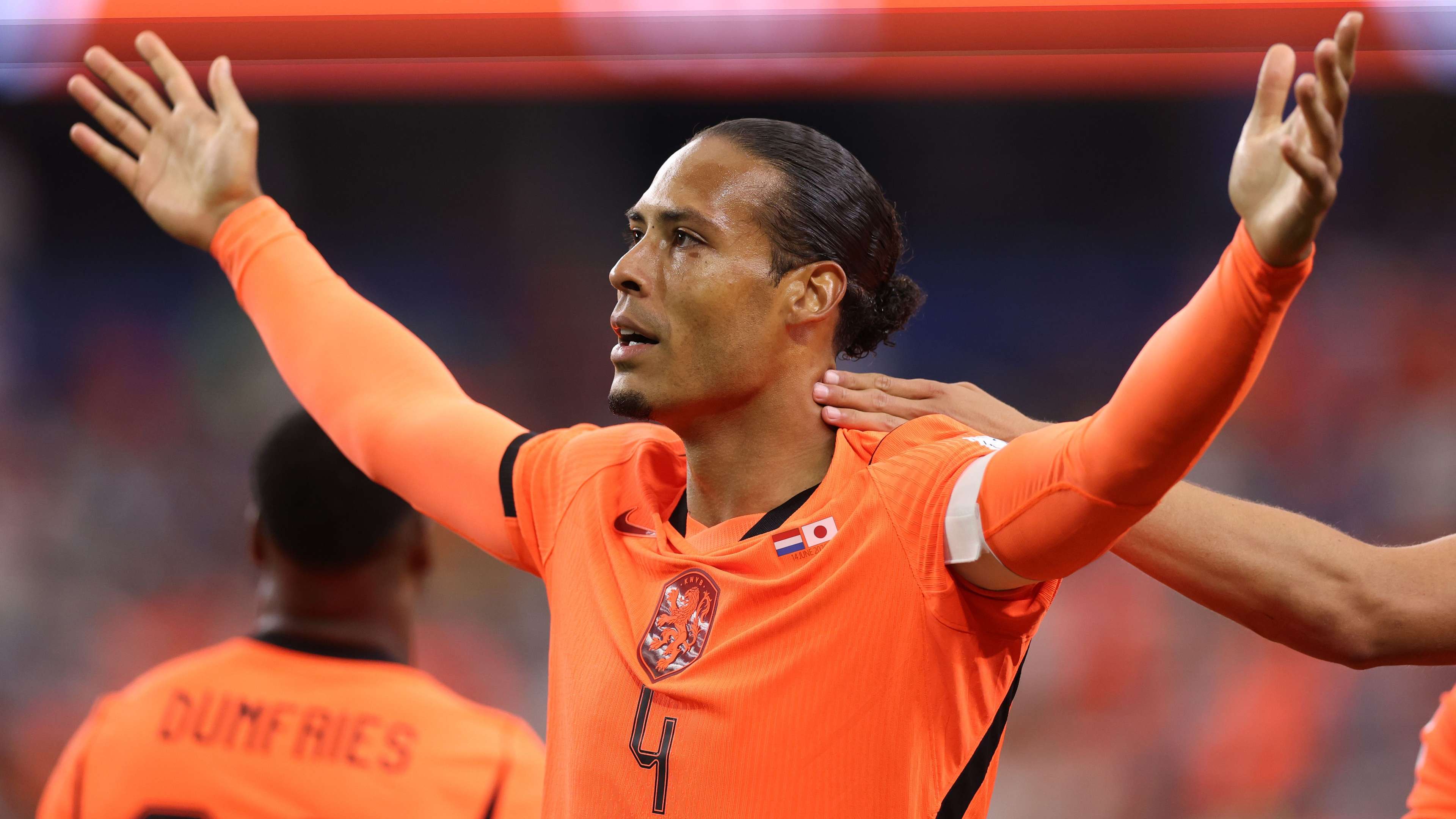
Virgil van Dijk has voiced his displeasure over the mandatory hydration breaks introduced at the 2026 FIFA World Cup, following the Netherlands’ 2-2 draw against Japan in their opening match. The Dutch captain questioned the logic of enforcing such pauses in matches played inside air-conditioned venues.
Netherlands experienced their first taste of the new World Cup regulation during a high-scoring opener in Dallas, yet much of the post-match attention turned away from the on-field drama to FIFA’s updated matchday rules.
As per the new policy for the 2026 tournament, hydration breaks are now a compulsory part of every fixture, irrespective of whether the stadium is open-air or has a closed roof. This initiative was introduced as part of FIFA’s player welfare measures.
However, Van Dijk made it clear after the match that he is not in favour of the universal enforcement of these stoppages. The Netherlands skipper suggested that the breaks seem to benefit broadcasters more than players, particularly when games are played in temperature-controlled environments.
Addressing the media after the match, Van Dijk said, “I think hydration breaks are really interesting. I was obviously watching almost all of the games up until today. I think every time going to commercials is a bit, not really something that I like.”
The 34-year-old defender elaborated on the impact for viewers at home, adding, “I think for the neutral watchers on TV it is also not great. So if it is really hot it would be good to put them in but I think you have to look at it in every game, separately, in my opinion. But I think I have said enough already on that.”
The timing of these breaks appeared to unsettle the Dutch side, who struggled to maintain rhythm in Dallas. Van Dijk opened the scoring for the Netherlands, with Crysencio Summerville also adding his name to the scoresheet. Yet Japan showed resilience, levelling the match twice through Keito Nakamura and Daichi Kamada’s late goal to secure a point in Group F.
While Van Dijk’s individual display earned praise, he was visibly irritated by what he described as FIFA’s “one-size-fits-all” policy toward player welfare — a system that some critics argue has effectively divided the game into four distinct quarters.
FIFA’s hydration break rule was established to safeguard players from extreme heat conditions anticipated across North America. However, its application in modern, air-conditioned stadiums such as the AT&T Stadium has sparked widespread debate. Detractors have compared the interruptions to the frequent commercial breaks typical of the NFL.
Van Dijk’s comments reflect a broader concern that, while the intention to protect players is reasonable, the lack of flexibility disrupts both the natural tempo of elite football and the viewing experience for fans. The Netherlands will now turn their attention to their next Group F fixture against Sweden, aiming to claim a victory with fewer interruptions off the field.
How far the Netherlands can progress in this World Cup remains to be seen, but Van Dijk’s remarks have certainly added fuel to the ongoing discussion about the balance between player welfare and commercial interests in modern football.
-
Didier Deschamps Identifies Spain as Clear Favourites for World Cup, Denies France Are the Strongest
-
The Most Stunning World Cup Shocks of All Time

-
Crystal Palace appoint Pierre Sage as head coach after remarkable spell with Lens
-
Saudi Arabia vs Uruguay preview: South American giants aim to dominate Group H encounter
-
Muted in the Meadowlands: How Brazil’s World Cup Opener Lost Its Spark at the New York/New Jersey Stadium