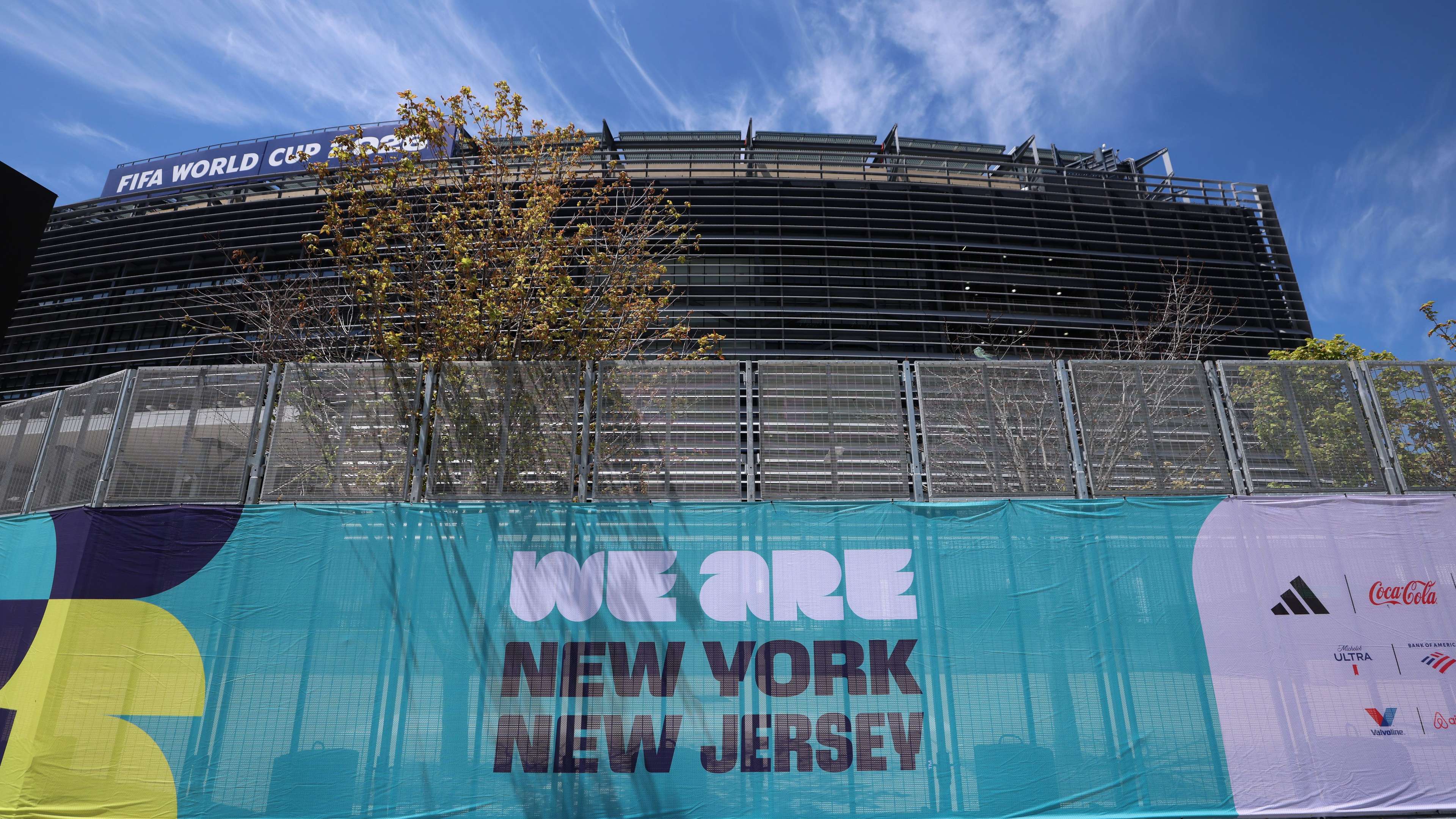
The opening encounter between Brazil and Morocco at the New York/New Jersey Stadium was safe and well-organised, yet left fans pondering whether the atmosphere matched the magnitude of a World Cup fixture.
EAST RUTHERFORD, N.J. – Standing on the upper concourses of the New York/New Jersey Stadium and gazing outward, one is met with a somewhat bleak panorama – sprawling concrete, parked shuttle buses, temporary tents, and in the distance, a highway. Despite being less than 10 miles from the heart of New York City, the venue feels secluded, detached from the world around it. It was under such conditions that Saturday evening’s World Cup clash took place.
Just a year ago, on June 15, 2025, the same area was a hive of energy. Supporters filled the parking lots, donned in green jerseys, grilling food, sharing drinks, and celebrating football. A man proudly displayed a pickup truck adorned with a Portuguese flag and a strikingly realistic six-foot replica of Cristiano Ronaldo, finger to lips in his trademark pose. The so-called “siuuuu machine” drew crowds eager for photos. The day carried a festive spirit, even if the Club World Cup match between Porto and Palmeiras ended in a goalless stalemate. It was still a proper day out – full of noise, colour, and camaraderie.
This year’s atmosphere, however, was starkly different. Despite being the host city for the final, the World Cup’s opening match in the New York/New Jersey region felt lifeless. Everything functioned efficiently – perhaps too efficiently. The event’s management ensured safety and order, but the vibrancy, spontaneity, and passion that define football’s greatest tournament were stifled by corporate oversight, strict crowd control, and heavy security measures.
Tailgating: The Missing Ritual
Normally, the area around MetLife Stadium transforms into a carnival on game days. The car parks are filled with fans, music, and smoke from barbecues. It is one of the few American venues where tailgating truly thrives. Football fans, who value pre-match rituals, would have embraced such a tradition. In previous international friendlies, supporters of nations like Colombia and Canada had shown how to turn even awkwardly located venues into lively gatherings.
FIFA did not explicitly ban tailgating, but the logistics made it nearly impossible. Large portions of the parking area were occupied by event personnel, security, media, and rideshare zones. A reinforced security perimeter – likely a reaction to the chaotic scenes at the 2024 Copa America final – further dampened the pre-game buzz. What should have been a lively prelude became a sterile waiting period.
Orderly but Draining
For fans, the journey to the stadium was long and uninspiring – more a chore than an adventure. Travelling from New York’s Penn Station required a transfer at Secaucus Junction before a special matchday train to the Meadowlands. Though the process was smoother than in the past, it was costly – $98 for a round trip per person – and heavily controlled. Fans were checked repeatedly for tickets and wristbands, passing through multiple layers of security. While this ensured that only authorised spectators reached the venue, it also stripped the day of spontaneity.
Football culture thrives on organised chaos – chants, songs, and shared emotion. But here, enthusiasm was stifled. There were no drums, no impromptu parades, no chants echoing through the trains. The crowd moved efficiently but silently, sapping the energy from what should have been a jubilant occasion.
Governance and Gridlock
The subdued atmosphere reflects the complicated politics behind the event. The New York/New Jersey host committee has been marred by tension between four entities – the states of New York and New Jersey, the New York City government, and FIFA. Disagreements over ticket pricing and logistics have caused friction. In one instance, the attorneys general of both states issued subpoenas to FIFA demanding transparency over inflated ticket prices. It was, in essence, open confrontation between local authorities and football’s governing body.
Some politicians, such as New York Assemblyman Zohran Mamdani, have sought compromise. His team negotiated directly with FIFA President Gianni Infantino, securing affordable tickets for 1,000 fans, free bus transport, and public fan zones across all boroughs. Such measures softened the blow for many supporters, but the broader picture remained one of bureaucratic wrangling and over-management.
A Match That Mirrored the Mood
The match itself seemed to mirror the day’s subdued tone. On paper, Brazil versus Morocco promised flair and intensity. But Carlo Ancelotti’s Brazil are not the flamboyant side of old. Built on defensive discipline rather than flair, they rely on structure. Neymar, still short of full fitness, played more for symbolism than substance. Morocco, Africa’s standout team from the 2022 World Cup, began brightly. Achraf Hakimi surged down the right, young Ayyoub Bouaddi glided through midfield, and Brahim Diaz assisted Ismael Saibari for a fine opener after 21 minutes.
In sweltering heat exceeding 90 degrees, hydration breaks were essential. Whatever Ancelotti said during the first break had an impact – Vinicius Jr equalised soon after, cutting inside Hakimi and curling a superb strike into the top corner. The Brazilian fans finally found their voice, if only briefly. Yet the excitement faded quickly. Both sides settled for caution, and the second half produced little drama. Ancelotti summed it up succinctly: “This is the result we had. It wasn’t bad... you don’t win a World Cup based on your first match.”
What Next for FIFA?
Nothing went wrong at MetLife – but little truly went right either. The event was well-executed but lacked soul. American fans have produced memorable scenes elsewhere – Scotland supporters flooding Fenway Park, or viral clips of German fans discovering Waffle House. Yet in New York and New Jersey, the matchday experience felt sterile.
One Brazilian fan, frustrated after security cleared his section over seating confusion, summed up the cultural gap: “This is America. They don’t understand the culture. They see drums, they see people standing on the seats. It’s too much.” A FIFA spokesperson later clarified that state police had acted to protect ticket-holders in that section.
As the venue that will host the final, the New York/New Jersey Stadium’s first test left mixed impressions. The logistics worked, but the spirit was missing. A year earlier, a lesser tournament had delivered more joy. Now, the fear is not about prices or transport – it’s about monotony. For a competition built on passion and spectacle, that might be the most damning flaw of all.
-
Final Result: Uruguay vs Saudi Arabia Ends 1-1, Unlike Argentina’s Fate, Exciting Public Screenings Across South Kalimantan
-
Tying a towel on wet hair for a long time can be heavy, know the damage it causes to the hair…

-
People Who Lose The Will To Live Between 3-5 PM Need More Of 8 Things In Their Lives

-
5 Zodiac Signs With Great Horoscopes On Tuesday, June 16, 2026

-
Horoscope for June 16, which zodiac sign will get benefits in career with the blessings of Bajrangbali?