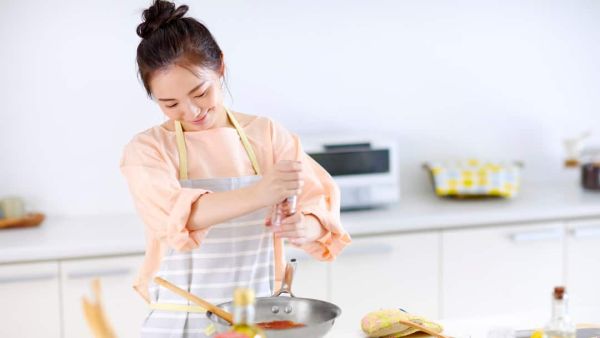
As conversations around responsible consumption gain momentum, the focus is now shifting from what households consume to how they use everyday resources. After Prime Minister Narendra Modi recently appealed to citizens to reduce cooking oil consumption by 10%, Uttar Pradesh Chief Minister Yogi Adityanath has highlighted another concern inside Indian kitchens, food wastage.
Addressing a public gathering, the Chief Minister urged families to cook thoughtfully, avoid unnecessary excess, and use resources carefully.
He said, "Jitne log khane wale honge, unki sankhya ke anupat mein apne rashan dein, faltu khana na banaye, aur agar koi bhula birsa aa jaye to uske liye alag se usmein bana lein."
He further added, "We cannot be dependent on LPG, and have to look for alternatives and in the meantime use the resources sensibly."
Experts also stress that mindful cooking is not only about what goes into meals, but also about balancing both quantity and quality. Here are some practical ways households can adopt better food management habits.
Why Quantity Control Matters At Home
Keeping food portions in check goes beyond reducing waste. It can also help families save money, use fuel more efficiently, and maintain an organised kitchen.
In many homes, extra food often ends up unused, leading to spoilage and avoidable waste. A mindful approach to quantity management encourages better consumption habits and supports more sustainable living practices.
Plan Meals Before Cooking
Meal planning remains one of the most overlooked habits in many Indian households.
Preparing a daily meal plan gives clarity on what ingredients are needed and in what quantity. It also helps avoid duplicate purchases and unnecessary stockpiling in the pantry.
When meals are planned in advance, families are less likely to overprepare or cook impulsively.
Buy Only What Is Required
Meal planning naturally helps identify ingredient needs and quantities based on the number of people at home.
Before purchasing groceries, checking the pantry and refrigerator can prevent duplicate buying. This habit not only keeps ingredients fresh but also reduces the chances of food items expiring unused.
Often, excess purchases sit in storage until they pass their expiry date, eventually turning into waste.
Use Measuring Cups And Standard Portions
Approximate cooking is common in many Indian kitchens, but it can sometimes lead to preparing more than required.
Using measuring cups, spoons, and standard serving portions helps regulate the amount of rice, flour, lentils, pasta, and other staples being cooked.
This simple practice can also save time, energy, and cooking resources.
Store Cooked Food Properly
Food management does not end after cooking.
Proper storage and refrigeration play a major role in preventing spoilage. Experts recommend keeping older items at the front and newer preparations behind them to encourage timely use.
Using airtight containers, maintaining the right cooling temperature, and labelling food can also help preserve freshness and extend shelf life.
Give Leftovers A Second Life
Leftovers do not always have to be discarded.
Many dishes can be repurposed creatively into new meals. Leftover rice can become fried rice, rajma can be turned into tikkis, while rotis can be reworked into pizza bases or noodles.
Reusing food not only reduces daily waste but also helps maintain better quantity balance in the kitchen.
-
Cockroach Janta Party: Can India’s Viral Meme Rebellion Become A Real Political Force?

-
PM Modi’s gifts to Dutch Royals celebrate shared artistic ties

-
BYD Ti7 Update: Speed to 100 in 5 seconds, BYD brings powerful hybrid SUV. Byd Ti7 Hybrid Suv Goes 0 To 100 In Under 5 Seconds

-
‘Fold Hands, Close Eyes’: Bizarre Virtual Job Interview Leaves Internet Shocked

-
CarryMen Startup: Love shopping but hate carrying bags? This startup is saying- ‘We will raise’. Delhi Startup Carrymen Offers Bag Carrying Assistants For Shoppers In Crowded Markets