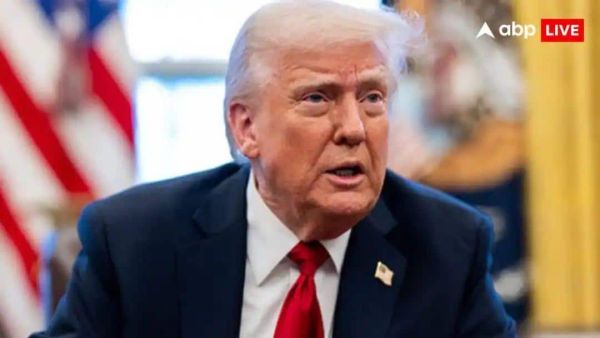
The U.S. Senate on May 19 moved forward with a war powers resolution seeking to curb President Donald Trump’s military operations in Iran unless Congress formally authorizes the campaign. The proposal cleared a key procedural hurdle in a closely contested 50–47 vote, marking the first successful advance of the measure after multiple failed attempts since fighting began earlier this year. The vote highlighted growing unease within sections of the Republican Party over the administration’s handling of the conflict, with four GOP senators joining Democrats in backing the resolution.
Republican Senators Break Ranks
Among the Republicans supporting the measure was Louisiana Senator Bill Cassidy, whose decision drew attention because he had previously opposed similar efforts. Cassidy recently lost his Republican primary to a candidate endorsed by Trump.
Explaining his stance, Cassidy said concerns over transparency influenced his vote. Republican Senators Lisa Murkowski, Rand Paul and Susan Collins also voted in favour of the resolution, maintaining positions they had taken during earlier debates on the issue, as per reports.
On the Democratic side, Pennsylvania Senator John Fetterman was the lone member of his party to oppose the proposal.
Democrats Target Trump’s War Strategy
Senate Minority Leader Chuck Schumer described the outcome as a sign of weakening Republican unity around Trump’s military approach toward Iran.
The resolution was introduced by Virginia Senator Tim Kaine under the framework of the 1973 War Powers Act. The law was enacted to limit a president’s ability to engage in prolonged military action without congressional consent.
Under the legislation, a president can conduct military operations for up to 60 days before seeking formal authorization or an extension from Congress.
Uncertain Road Ahead For Resolution
Despite the Senate breakthrough, the measure still faces major political hurdles before becoming law. The Republican-controlled House of Representatives remains a difficult battleground for supporters of the resolution, and Trump is widely expected to veto the proposal if it reaches his desk.
Even so, the vote exposed visible fractures within the GOP over the administration’s Iran policy and intensified debate over the scope of presidential war powers.
Lawmakers backing the resolution argue that the current military engagement lacks a clearly defined strategy and could draw the United States into a prolonged conflict without congressional approval.
The Senate vote is expected to fuel further discussions in Washington over executive authority, military accountability, and America’s long-term role in the Middle East.
-
JEE Advanced 2026: When will the answer key for the JEE Advanced 2026 exam be released? Check here..

-
Career: Age Limit for Government Jobs in West Bengal Increased; Major Relief for Youth..

-
UPSC CDS 2 Recruitment 2026: An Opportunity to Become an Officer in the Army—Find Out When UPSC Will Release the CDS 2 2026 Notification.

-
Students Able to Log In to CBSE Class 12 Re-evaluation Portal; CBSE States System Is Functioning Properly..

-
Four New Officers Appointed at NTA; Vacancies Announced for Several Posts..