PM Modi Embarks on 5-Nation Tour After Asking US to Avoid Unnecessary Foreign Travel
Sanjeev Kumar | May 11, 2026 5:21 PM CST
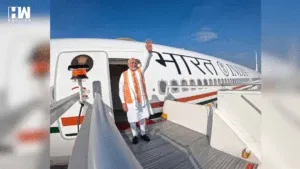
After a bruising election season, Prime Minister Narendra Modi has shifted the national conversation from politics to personal consumption.
His recent appeal asking citizens to reduce fuel usage and avoid unnecessary foreign travel sounded less like a routine advisory and more like a warning about difficult months ahead.
For many Indians, it immediately raised a serious question.
If citizens are being asked to tighten their belts, why is the Prime Minister himself embarking on a major multi nation diplomatic tour covering the UAE, Sweden, the Netherlands, Norway, and Italy?
At first glance, the optics are difficult to ignore. The government is speaking the language of restraint while projecting global engagement at full speed. Critics see contradiction. Supporters see strategy.
The truth may lie somewhere in between.
India today is deeply exposed to global instability. Rising tensions in West Asia, especially around Iran and the Strait of Hormuz, have once again reminded the world how vulnerable energy dependent economies remain. India imports the bulk of its crude oil. Every geopolitical shock directly hits inflation, transport costs, household budgets, and the rupee.
Seen from that lens, the Prime Minister's message may not be ideological at all. It may simply be precautionary economics.
Several countries are already moving into what can be called a "resource discipline" phase. Governments across parts of Asia and Africa have begun limiting official travel, encouraging remote work, and conserving fuel reserves because energy insecurity can destabilize economies far faster than most governments publicly admit.
That also explains why Modi's foreign visits cannot be viewed as ordinary diplomatic tourism.
The UAE matters because energy security matters. Europe matters because technology partnerships, trade access, semiconductors, and investment flows matter. In Delhi's calculation, international engagement today is directly linked to India's economic survival tomorrow.
But even if the strategy is rational, the political challenge remains real.
Citizens experience austerity personally. They see fuel bills, airfare costs, and shrinking disposable income. Governments, meanwhile, speak in the language of long term national interest. That gap between public sacrifice and elite mobility creates distrust in every democracy.
There is also another question that deserves to be asked.
If these foreign engagements are being projected as critical national missions, should there not also be clear public accountability once the visits conclude? Should the Prime Minister return and clearly explain what India tangibly gained from these tours beyond diplomatic photographs, headlines, and joint statements?
Many supporters of the government argue that global diplomacy operates through long term strategic positioning and cannot always produce immediate visible results. That is a fair argument. But many citizens are also beginning to ask whether the political marketing around these visits often exceeds the actual outcomes.
This may not be a "lockdown" in the old sense of the word.
But it could very well be the beginning of a new economic discipline era where governments ask citizens to consume less while states themselves travel more aggressively across the world trying to secure energy, trade, and strategic leverage.
The larger question is whether people will continue accepting sacrifice without demanding measurable outcomes in return.
READ NEXT
-
'Gripping' series with 'twisty mysteries' perfect for crime drama fans is returning

-
Royal gives rare glimpse inside major family celebration with behind the scenes pictures

-
Trump Administration Officials Under Fire for Candid Remarks
-
GB News abruptly halted for bombshell David Lammy announcement
-
Princess Kate health update issued ahead of first overseas trip since cancer diagnosis