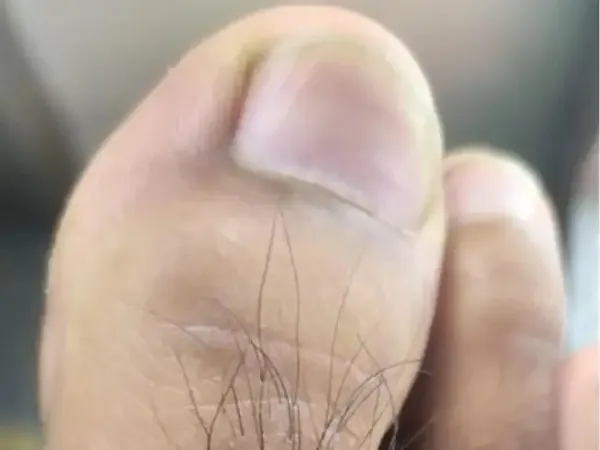
A small and frequently overlooked detail—hair growth on the toes—may offer meaningful clues about the condition of the body’s circulatory system. Health professionals suggest that this subtle physical trait can act as an indicator of how efficiently blood is moving through the vessels, which in turn is closely connected to heart function and overall well-being.
Dr Shraddhey Katiyar, who holds an MBBS qualification in Clinical Nutrition, has explained that the thickness and presence of hair on the toes can reflect vascular health. His observations, shared on the social media platform X, highlight that hair growth in this region depends heavily on consistent blood circulation and metabolic balance.
Hair follicles require a steady supply of oxygen and nutrients to remain active. When circulation is strong and uninterrupted, these follicles continue to function normally, allowing hair to grow. However, when blood flow becomes restricted, the body tends to prioritize vital organs over extremities like the toes. This reduced circulation can gradually weaken hair follicles, leading to thinning or even complete loss of hair in those areas.
One major factor contributing to reduced blood flow is long-term insulin resistance. Persistently elevated blood sugar and insulin levels can damage blood vessels over time, making them less flexible and narrowing their pathways. As a result, circulation to distant parts of the body declines, which is often observed in individuals with prolonged diabetes or early stages of peripheral artery issues.
A noticeable decrease in toe hair should not be seen as a standalone diagnosis, but it can act as a subtle warning sign when combined with other symptoms. These may include unusually cold feet, sensations such as tingling or numbness, cuts that heal slowly, or pain in the legs while walking.
Recognizing these early indicators can encourage timely medical evaluation. Checking blood sugar levels, insulin function, and vascular health may help detect underlying issues before they progress, making it easier to manage long-term health risks effectively.
Dr Shraddhey Katiyar, who holds an MBBS qualification in Clinical Nutrition, has explained that the thickness and presence of hair on the toes can reflect vascular health. His observations, shared on the social media platform X, highlight that hair growth in this region depends heavily on consistent blood circulation and metabolic balance.
Hair follicles require a steady supply of oxygen and nutrients to remain active. When circulation is strong and uninterrupted, these follicles continue to function normally, allowing hair to grow. However, when blood flow becomes restricted, the body tends to prioritize vital organs over extremities like the toes. This reduced circulation can gradually weaken hair follicles, leading to thinning or even complete loss of hair in those areas.
One major factor contributing to reduced blood flow is long-term insulin resistance. Persistently elevated blood sugar and insulin levels can damage blood vessels over time, making them less flexible and narrowing their pathways. As a result, circulation to distant parts of the body declines, which is often observed in individuals with prolonged diabetes or early stages of peripheral artery issues.
A noticeable decrease in toe hair should not be seen as a standalone diagnosis, but it can act as a subtle warning sign when combined with other symptoms. These may include unusually cold feet, sensations such as tingling or numbness, cuts that heal slowly, or pain in the legs while walking.
Recognizing these early indicators can encourage timely medical evaluation. Checking blood sugar levels, insulin function, and vascular health may help detect underlying issues before they progress, making it easier to manage long-term health risks effectively.