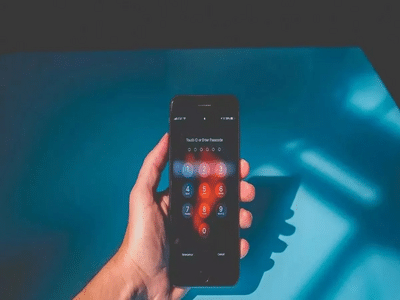
In today’s digital world, cyber threats are increasing rapidly, making online security more important than ever. From banking apps and social media accounts to emails and online shopping platforms, most people now store a large amount of personal and financial information online. In such a situation, a password acts as the first and most important layer of protection against hackers and cybercriminals.
Despite repeated warnings from cybersecurity experts, many users still choose weak and predictable passwords simply because they are easier to remember. However, these simple passwords can make accounts highly vulnerable to hacking attempts, phishing attacks, and identity theft.
Security researchers say that poor password habits continue to be one of the biggest reasons behind data breaches and unauthorized account access worldwide. Understanding which types of passwords should never be used can significantly improve online safety.
Here are some common password mistakes users should avoid to keep their accounts more secure.
Avoid Using Personal Information in PasswordsOne of the biggest mistakes people make is using personal details in their passwords.
Hackers can often find personal information through social media profiles, public records, or previous data leaks. This makes passwords based on personal details extremely risky.
Users should avoid including:
- Their own name
- Date of birth
- Phone number
- Partner’s name
- Pet names
- Anniversary dates
For example, passwords like “Rahul123,” “Amit1995,” or “PriyaBirthday” can often be guessed within seconds using automated hacking tools.
Cybersecurity experts recommend creating passwords that are completely unrelated to easily available personal information.
Never Use Common Password SequencesSimple password combinations remain among the most commonly hacked passwords worldwide.
Passwords such as:
- 123456
- password
- qwerty
- abc123
- 000000
are considered extremely weak because hackers test these combinations first during password attacks.
According to cybersecurity studies, millions of people still continue using these predictable sequences despite repeated security warnings.
Automated hacking systems can crack such passwords almost instantly.
Dictionary Words Are Not SafeUsing common dictionary words as passwords may appear convenient, but they are highly vulnerable to what cybersecurity professionals call “dictionary attacks.”
In this method, hackers use automated software that rapidly tests thousands of commonly used words from dictionaries across multiple languages.
For example, passwords like:
- sunshine
- football
- india
- welcome
can often be cracked quickly because they exist in commonly used password databases.
Experts advise combining random words, symbols, numbers, and uppercase letters instead of relying on a single recognizable word.
Short Passwords Are Easier to CrackPassword length plays a major role in account security.
Short passwords containing fewer than eight characters are generally considered weak because they can be cracked more quickly using brute-force attacks.
Cybersecurity specialists recommend creating longer passwords that include a combination of:
- Uppercase letters
- Lowercase letters
- Numbers
- Special characters such as @, #, $, %, &
Longer and more complex passwords make it significantly harder for attackers to guess or crack them.
For example, a password like:
“Sun@River92!Cloud”
is much stronger than a simple password like:
“sun123”
Many people use the same password across multiple apps and websites because it feels easier to remember. However, this habit creates a major security risk.
If one platform experiences a data breach, hackers may use the leaked password to access other accounts linked to the same email address.
This means a single compromised password could potentially expose:
- Banking accounts
- Social media profiles
- Email accounts
- Shopping apps
- Cloud storage
Experts strongly recommend using unique passwords for every account.
Passphrases Can Offer Better SecurityCybersecurity professionals increasingly recommend using “passphrases” instead of traditional passwords.
A passphrase combines random words or a full sentence into a longer and more memorable security key.
For example:
- “BlueTigerRuns@Night42”
- “CoffeeRiverSky!2026”
Passphrases are usually easier to remember while also being much harder for hackers to crack.
Use Password Managers and Two-Factor AuthenticationManaging multiple strong passwords can be difficult, especially when users have dozens of online accounts.
Password manager apps can help generate and securely store unique passwords for different platforms.
Experts also advise enabling two-factor authentication (2FA) whenever available. This adds an extra security layer by requiring a verification code along with the password during login.
Even if hackers manage to steal a password, 2FA can help prevent unauthorized access.
Strong Password Habits Are Essential TodayAs cyber fraud, phishing attacks, and data leaks continue rising globally, password security has become more important than ever.
Experts believe that strong password habits remain one of the simplest yet most effective ways to protect personal information online.
Avoiding predictable passwords, using unique combinations, enabling two-factor authentication, and staying aware of cybersecurity risks can significantly reduce the chances of becoming a victim of online fraud.
In the digital age, a strong password is no longer just an option — it is a necessity for protecting online identity and personal data.
-
Ajinkya Rahane lauds Varun Chakaravarthy for stepping up in tough moments after poor start: ‘He was struggling before’
-
Over 4 million Real Madrid fans sign petition demanding Mbappe’s exit

-
Big decision of UAE, Al Selmiyyah Defense Industrial Free Zone will be built in Abu Dhabi, there will be a big change in the defense sector.

-
Resort politics begins in Tamil Nadu; Vijay moves TVK winners to Mamallapuram hotel- The Week
-
Vietnam’s top leader To Lam welcomed in New Delhi with 21-gun salute