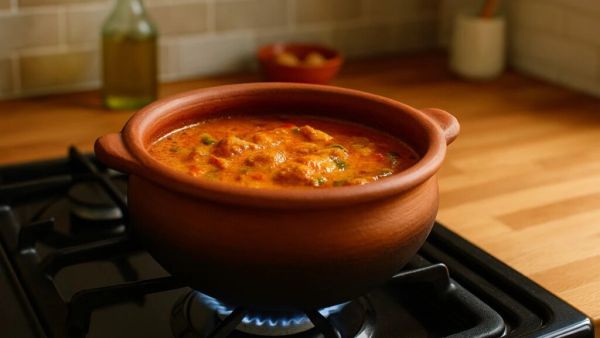
The way a dish tastes often has as much to do with the vessel as it does with the recipe. In Indian kitchens, clay pots have shaped the flavors of everyday meals for centuries, long before stainless steel and non-stick cookware became common. There is a reason food prepared in these traditional vessels feels deeper, warmer, and more satisfying. The secret lies in how clay interacts with heat, moisture, and time. From curries to rice, clay pot cooking results in food that feels both wholesome and unmistakeably comforting. Here’s why clay pot cooking stands out amid modern cooking.
What Makes Clay Pots Different?
Photo: Unsplash
Clay pots are porous in nature, which means they allow heat and moisture to circulate evenly while cooking. Unlike metal cookware that heats up quickly and sometimes unevenly, clay distributes heat gently and consistently. This creates the perfect environment for slow cooking, allowing ingredients to release their natural flavors gradually without being rushed.
Why Clay Pot Cooking Tastes Better
1. Enhances Natural Flavors
Clay cooking does not interfere with the ingredients. Instead, it allows the natural taste of spices, vegetables, and grains to develop fully, resulting in a more wholesome flavour.
2. Retains Moisture
Because of their porous structure, clay pots trap steam inside. This keeps the food moist and prevents it from drying out, especially in dishes like curries and biryanis.
3. Slow And Even Cooking
Clay pots heat up slowly and cook food evenly from all sides. This helps spices blend better and gives the dish a richer, more balanced taste.
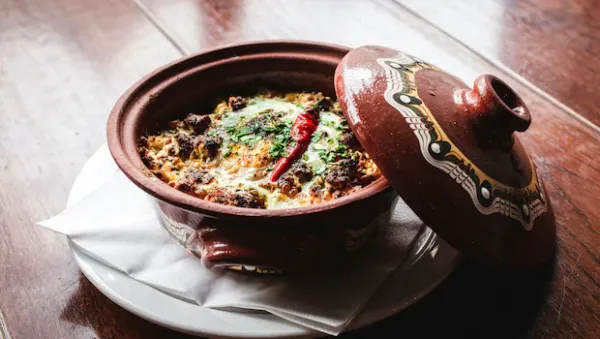
Photo: Unsplash
4. Adds An Earthy Aroma
One of the most distinctive features of clay pot cooking is the subtle earthy aroma it imparts to food. This enhances the overall sensory experience of the dish.
5. Requires Less Oil
Since moisture is retained well, you often need less oil while cooking. This not only improves texture but also keeps the dish lighter.
What Kind Of Dishes Work Best In Clay Pots?
Photo: Unsplash
Clay pots are ideal for dishes that benefit from slow cooking, such as:
- Curries and gravies
- Biryani and pulao
- Dal and lentil-based dishes
- Stews and one-pot meals
They are less suited for quick stir-fries or recipes that require very high heat.
Tips To Use A Clay Pot The Right Way
- Always soak a new clay pot in water before first use.
- Start cooking on low heat and increase gradually.
- Avoid sudden temperature changes to prevent cracking.
- Clean gently without harsh detergents to maintain its quality.
Cooking in a clay pot is not just about tradition, it is about technique. The slow, even heat and moisture retention bring out flavors in a way that modern cookware often cannot. If you are looking to elevate everyday meals with minimal changes, switching to a clay pot might just make all the difference.
-
Mother’s Day 2026: You can make your mother feel special with these 10 gifts, that too in budget

-
Characteristics of men who attract women

-
Akshay Kumar undergoes vision correction surgery, takes a break from shooting

-
Mamta Banerjee refuses to resign! Can she remain CM even after defeat? Know what the Constitution says and when action can be taken

-
Daughter of Hong Kong ‘furniture king’ Cathy Wong sells apartment at reported loss