After a bruising couple of years, Stellantis has finally found its footing again. The automaker reported a €377 million profit for the first quarter of 2026, a sharp turnaround from the €387 million loss it posted during the same period last year.
This isn’t just a routine quarterly improvement. It’s the first real sign that the company’s reset strategy, following leadership changes and a rethink of its EV ambitions, is starting to land.
CEO Antonio Filosa framed the result as an early but meaningful milestone, pointing to stronger product reception and a clearer path toward sustainable growth.
Jeep and Ram Lead the Comeback
Here’s the thing—this recovery wasn’t broad-based. It had clear heroes: Jeep and Ram.
Both brands delivered strong numbers in North America, which remains Stellantis’ most critical market. Demand was particularly strong for the Ram 1500, especially after its return to V8 power in the US, a move that clearly resonated with traditional pickup buyers.
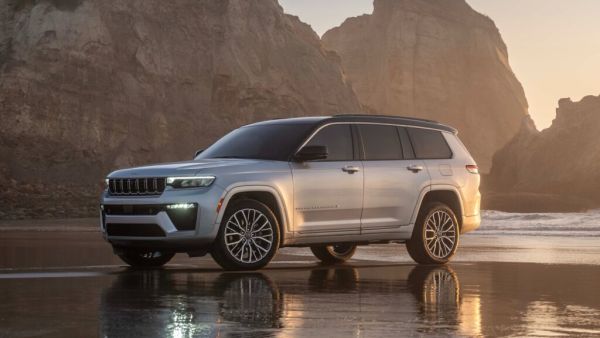
Jeep, meanwhile, saw traction with premium offerings like the Grand Wagoneer and renewed interest in the new-generation Cherokee. Even in Europe, both brands contributed positively, signaling that their appeal isn’t limited to one geography.
What this really means is Stellantis is leaning into what it already does well, SUVs and trucks with strong brand identity, rather than spreading itself too thin.
Financials Show Early Signs of Stability
The headline profit is one thing, but the underlying numbers tell a deeper story.
Operating income nearly tripled year-on-year, rising from €327 million to €960 million. Margins also improved, moving from a thin 0.9 percent to 2.5 percent.
That’s still not where a company of Stellantis’ scale wants to be, but it’s progress.
There’s a caveat, though. The result was partly supported by tariff refunds in the United States, after a court ruled additional import tariffs unlawful. Without that boost, Stellantis admitted it would have slipped back into negative territory.
So yes, this is a recovery, but it’s still fragile.
Strategy Reset: Fewer Brands, Sharper Focus
One of the biggest shifts has been Stellantis’ decision to prioritise four core brands: Fiat, Peugeot, Jeep, and Ram.
With more than a dozen brands under its umbrella, the company has long struggled with complexity. This sharper focus signals a more disciplined allocation of investment and resources.
Peugeot’s showcase at Auto China 2026 is a good example of this renewed clarity. The brand unveiled new concept vehicles with a distinct design direction and confirmed plans to build cars in China for global export markets.
That strategy mirrors what competitors are already doing, leveraging China’s manufacturing scale while targeting international buyers.
What Comes Next
Stellantis is betting big on its upcoming product pipeline, with 10 new vehicles planned for 2026. If those launches hit the mark, this early recovery could gather serious momentum.
But the road ahead isn’t exactly smooth. The company is still navigating intense competition, shifting EV strategies, and global trade uncertainties.
For now, though, Stellantis has done something it hasn’t managed in a while: it’s back in the black, and back in the conversation.
-
On the question of Mamata Banerjee not resigning, Suvendu Adhikari said – ‘Everything is written in the Constitution, I do not need to say anything more’

-
MI vs LSG: Mumbai Indians make a brilliant comeback, defeat Lucknow by 6 wickets

-
BJP’s masterplan in Bengal: 1 crore jobs, Rs 3000 per month to women and bumper rate of paddy, will the fate of the state change now?

-
Palash Muchhal: Palash Muchhal in controversy once again! Smruti Mandana’s friend made allegations, saying “because of my caste …”

-
Will the superhit pair of Salman Khan-Kareena Kapoor make a comeback? Big update regarding the film