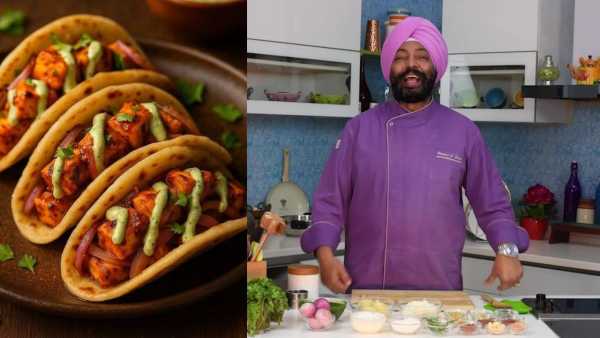
New Delhi: Indian cuisine is more than just gravies, naans or spicy food; it is taking a turning point. While global food cultures influence dining habits more than ever, there is a growing appetite for wellness-led cooking, regional narratives and authenticity, which people want to look at, feel and enjoy while they are dining out.
Few chefs understand this shift as intuitively as Chef Harpal Singh Sokhi, whose decades of travel, television experience, and kitchen experimentation have shaped a distinctive culinary philosophy built on storytelling, innovation, and rediscovery.
In a recent conversation with News9live, Chef Harpal Singh Sokhi opened up about the ever-evolving food space in Indian cuisine, the importance of regional ingredients, and the future he envisions for chefs and diners alike. The insights that emerged go far beyond recipes—they shine a light on what modern Indian cuisine is becoming.
Storytelling through food
For Chef Sokhi, food is memory. It is travel, discovery, family kitchens, regional traditions, and the spontaneity of home cooking. Instead of categorising cuisine strictly as Punjabi, Rajasthani, Bengali or South Indian, he believes India’s food culture is a vast ecosystem, a living archive of influences, rituals, and flavours.
He calls this approach storytelling through food.
This philosophy has shaped much of his work at Karigari restaurant, including his contributions to various restaurant menus. While individual establishments may adapt or amplify the idea, the core remains clear: Indian cuisine cannot be boxed into one identity. It thrives when chefs pay attention to how the country eats, not just in cities, but in villages, tribal belts, mountain regions, and family homes.
Modern flavours in Indian dishes
One of the most compelling parts of Chef’s creative journey is how he weaves global influences into Indian formats without losing cultural integrity. He observes that younger diners often gravitate toward Western fast foods—pizza, waffles, and sandwiches because of familiarity and convenience. Instead of resisting this trend, he responds with playfulness. For example, at his restaurant Karigari, he has played mindfully with the modern ingredients to bring Indian flavours to life by introducing dishes inspired by everyday comforts but reimagined with Indian flavours:
• Paneer tikka reinterpretation drawing cues from pizza profiles,
• Waffle-like textures paired with Indian Jalebi,
• or pockets and wraps that use classic Indian bases with modern twists.
These innovations aren’t designed as gimmicks—they are meant to make Indian cuisine exciting, accessible and relevant to a generation raised on global food content.
Wellness-led cooking in everyday food
Long before wellness became a global trend, Indian food philosophy embraced the idea of nourishment through everyday meals. Sokhi highlights how this ancient understanding now aligns seamlessly with modern health trends. Such as adding zinc- and magnesium-rich flours to everyday rotis, integrating moringa, methi, or seasonal greens into quick-cook dishes.
During the conversation, upon asking one of his favourite simple dishes, which the chef would love to enjoy every day, he shared a recipe of Moringa Spring Onion sabji, a simple recipe introduced by his wife. Cooked fresh in under ten minutes, it represents what Sokhi calls “wellness without fuss”—a direction Indian home cooking is already moving toward.
Beyond the kitchen, Sokhi reflects on how the role of the chef has evolved. Today’s chefs are creators, entertainers, entrepreneurs, and cultural influencers. Recipes alone are not enough; storytelling, media presence, and a deep understanding of consumer behaviour shape the culinary landscape.
-
Vaazha 2 writer-producer quit IT job for films. Sold car to pay off debts after debut movie. Now, he is part of highest-grossing Malayalam movie

-
‘She is ultra disciplined. Even if it is a 12-hour shoot’: Alia Bhatt’s trainer shares secret behind her fitness

-
Planning a Rs 1 crore corpus in 10 years? Here’s how to optimise your mutual fund portfolio

-
JNU: 5% supernumerary quota for teaching, non-teaching staff kids from 2026-27

-
India's D2C growth powered by Tier 2, 3 cities with 66 per cent new orders in FY26