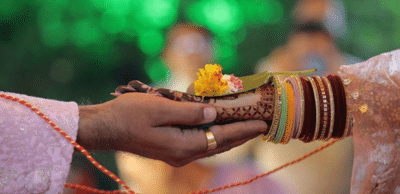
Inter-Caste Marriage: A caste-based socio-economic survey of Telangana has revealed startling statistics. Let's explore which castes in this state have the highest number of inter-caste marriages.

interracial marriage
Inter-Caste Marriage: A caste-based socio-economic survey was recently conducted in Telangana. The survey revealed some startling findings about inter-caste marriages in the state. The findings, analyzed by a committee headed by B. Sudarshan Reddy, reveal how social change, education, and urbanization are altering traditional methods of marriage. Let's explore the survey data.
Iyer community tops the list
The survey shows that the Iyengar/Iyer community has the highest rate of inter-caste marriages, with approximately 12% of families in this community opting for inter-caste marriage.
The Christian and Raju communities are also ahead.
Dalit Christians also have a high share of other communities. Approximately 9.9% of them have inter-caste marriages. This is followed by the Raju community, with a rate of approximately 8.7%.
What is the reason behind this?
One of the biggest factors influencing inter-caste marriages is urban life. Communities with larger urban populations tend to be more accepting. For example, in Telangana, a large portion of the Brahmin population lives in cities. This reduces social barriers and provides them with more opportunities to interact with people from different communities.
Education is also a big factor.
Higher education levels and professional environments contribute significantly to this trend. Communities such as the Iyengar/Iyer are known for their strong educational background. Due to increased social interaction, these communities are increasingly embracing inter-caste marriages.
Participation of farming communities
In contrast, among agricultural communities like the Reddys and Velamas, the rate of inter-caste marriages is quite low, often even lower than the state average. This trend is primarily driven by the strong social structure and emphasis on traditional prestige in rural areas.
Tribal and rural communities lag behind.
People from the Kolam (ST), Gond (ST), and Mali (BC) communities have a significantly lower participation rate in inter-caste marriages, primarily due to their lesser exposure to urban environments and a strict adherence to traditional customs and social norms.
-
Women’s reservation law implemented in the country, government issued notification
-
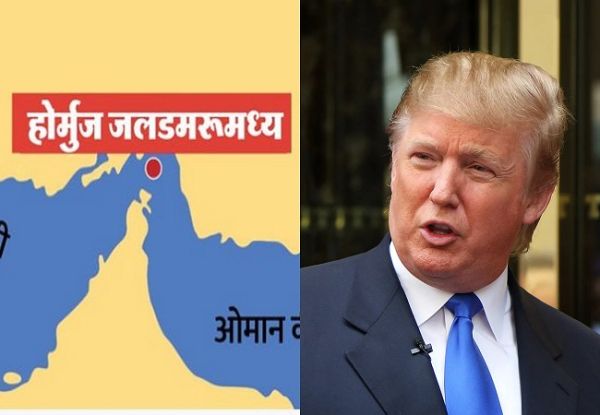
Iran completely opened Strait of Hormuz after 49 days, US President Donald Trump said thanks
-
Magnesium: Essential Mineral for Health and Its Benefits

-
Do this work every day after waking up early in the morning, you will stay away from diseases – News Himachali News Himachali

-
Iran opened Hormuz… the situation changed overnight, 3 big good news came together for India!