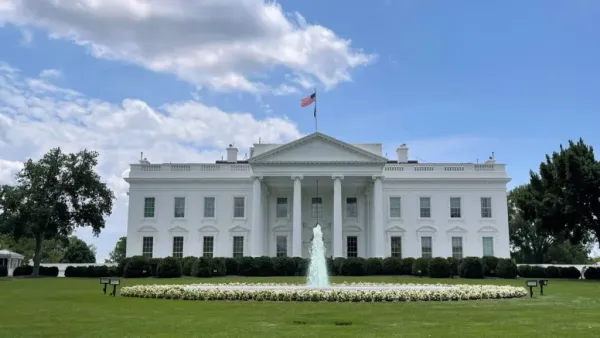
A senior White House official has acknowledged that delays in ceasefire implementation are expected, stating that it may take time for orders to reach lower level units of Iran’s Islamic Revolutionary Guard Corps, according to Axios.
Why ceasefire implementation is not immediate
The US has indicated that while a ceasefire may be agreed at the leadership level, execution on the ground is not instantaneous. Military structures like the Islamic Revolutionary Guard Corps operate across multiple layers, and communication to field units can take time during active conflict.
This means that even after a ceasefire is announced, military activity may continue briefly as orders are transmitted and implemented.
What this means for recent missile activity
The clarification comes after missile interceptions were reported in the UAE and alerts were triggered in Israel. These developments had raised concerns about a possible ceasefire violation.
However, the US position suggests that such incidents may be part of the transition phasewhere operations initiated earlier or not yet halted continue temporarily.
How command structure affects ceasefire timing
Iran’s military framework includes both central command and semi autonomous operational units. In high intensity situations:
Orders may not reach all units simultaneously
Pre planned operations may continue
Coordination gaps can lead to overlapping actions
This creates a window where diplomatic agreements and battlefield reality do not align perfectly.
What this signals about the current situation
The White House statement indicates that the US is anticipating short term inconsistencies in ceasefire enforcementrather than immediately treating ongoing activity as a breach.
It also reflects an understanding that full compliance may take hours rather than minutes after the ceasefire begins.
What to watch next
The key factor now is whether military activity reduces over the next few hours. A decline in missile launches and interceptions would suggest that ceasefire orders are being implemented.
If attacks continue beyond this transition period, questions around compliance and potential violations are likely to intensify.
Bottom line
The latest US statement provides critical context. The ceasefire is not a switch that turns off instantly. It is a process, and the current missile activity may be part of that delay rather than a direct breach.
-
This New Gurugram Restaurant Serves Japanese-Inspired Food With A Hidden Story

-
OnePlus Nord 6 and Nord 5: Is it worth upgrading?

-
IPL 2026: Gujarat Titans beat Delhi Capitals by 1 run, exciting match till the last ball

-
CSK has won only 4 matches since last season, does Chennai need a new head coach?
-
Brilliant innings by Rajasthan batsmen, MI’s defeat became a topic of discussion