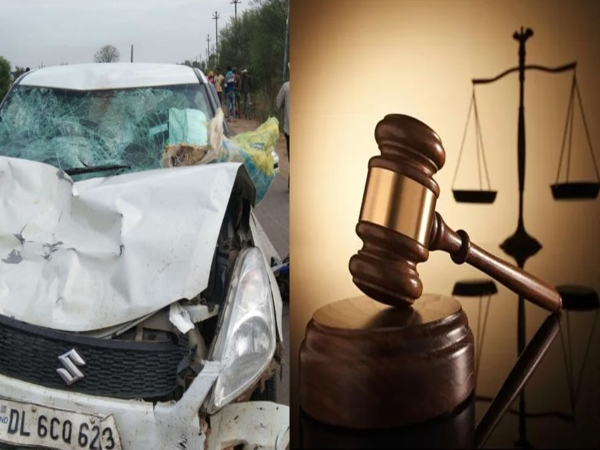
Gurugram, Haryana, is back in the spotlight after a car driver deliberately rammed into a female biker and fled the scene. The impact caused the biker to fall onto the road, leaving her severely injured. A video of the incident is going viral on social media. Tracing the car's owner via the vehicle's registration number revealed the details of the incident. The owner, Manish, stated that he had lent the car to a friend, who subsequently struck the female biker while driving on the streets of Gurugram. This raises the question: if someone else drives your vehicle and causes an accident or commits a crime, who faces the consequences?
**Against whom is action taken in the event of an accident?**
If you lend your vehicle to another person and they commit a crime or cause an accident, action is primarily taken against the driver; however, the vehicle owner can also get entangled in legal complications. There are certain factors to consider here. If the owner was unaware of the driver's intentions—meaning they had no idea the person would cause an accident or commit a crime—then action is generally not taken against the owner. However, if the vehicle was knowingly provided to facilitate a serious crime, the owner will also face legal action.
In cases like the Gurugram incident, charges such as culpable homicide (death not amounting to murder) could be filed. This applies if the driver knew their actions could result in a fatality and deliberately rammed the vehicle into the victim. Such an offense can carry a prison sentence of up to 10 years.
**When is the owner penalized?**
A vehicle owner can be penalized if the driver is a minor and the owner was aware of this fact beforehand. In such instances, action is taken against the person who handed over the vehicle keys to the minor. Under the Motor Vehicles Act, such cases provide for imprisonment and a fine of up to ₹25,000. An owner can also face trouble if the vehicle's documentation is incomplete.
Third-party insurance and other such provisions come into play during an accident; the absence of these can result in the owner having to pay a fine. Furthermore, if a vehicle owner attempts to destroy evidence or assists the accused in fleeing after an accident, a criminal case is registered against them as well. In the Gurugram case, no such thing occurred; the vehicle owner voluntarily came forward and shared the accused's address and other details. Consequently, a criminal case cannot be registered against the owner, although the police may summon them for questioning.
Disclaimer: This content has been sourced and edited from NDTV India. While we have made modifications for clarity and presentation, the original content belongs to its respective authors and website. We do not claim ownership of the content.
-
Where does data go when you delete ChatGPT history? Understanding the AI chat system

-
Are you also creating those '80s-style photos? Just think about what AI is doing with that picture..

-
Job Opportunity at ISRO for 10th Pass Candidates; Recruitment for 22 Posts

-
Can ordinary students contest DUSU elections? What are the rules?

-
Travel Made Easy for Diwali-Chhath: Confirmed Tickets Available on 7 Special Trains