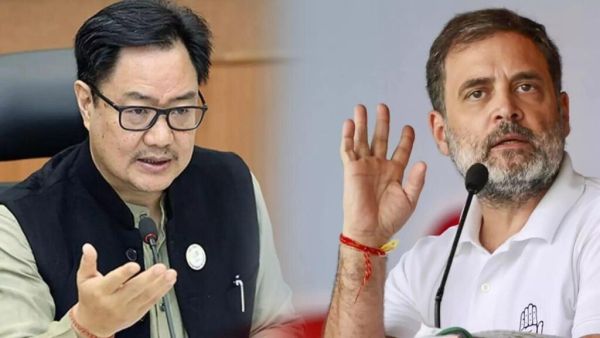
In the corridors of Indian politics, sharp statements are often seen regarding food plates and food culture, but this time the matter has gained a lot of importance due to its connection with the highest diplomatic and international events of the country. A statement given by Leader of Opposition in Lok Sabha Rahul Gandhi regarding the menu of pure vegetarian food served during the BRICS summit has heated up the political atmosphere in the country. In his recent statement, Rahul Gandhi had taunted that a very large population of India i.e. about 80 percent of the people eat non-vegetarian food, hence serving only vegetarian food in international forums or special events does not completely reflect the diverse nature of the majority diet of the country. As soon as his statement came to light, sharp reactions have started coming from the leaders of the ruling party BJP, and Union Minister Kiren Rijiju has strongly hit back at Rahul Gandhi, calling it a statement that hurts Indian culture, tradition and diversity, which has sparked a new political struggle across the country. This statement of Rahul Gandhi has come at a time when India is registering its strong presence on global platforms to strengthen diplomatic and cultural dialogue with countries around the world. During his speech or interaction, Rahul Gandhi tried to underline that India is a multicultural and diverse country with different food habits, and projecting a particular lifestyle as the national identity is not the whole picture. The intention behind his argument may have been to refer to social diversity, but critics and political rivals immediately seized upon it. BJP and other right-wing organizations presented it as a deliberate comment against Hindu culture and vegetarian traditions, after which discussions started everywhere from social media to TV debates as to why a leader needed to comment on an official state banquet or menu. Making the strongest attack on this statement of Rahul Gandhi, Union Minister Kiren Rijiju expressed a very sharp reaction through social media and press. Kiren Rijiju hit back and said that Rahul Gandhi has got into the habit of doing politics in everything and breaking the cultural diversity of the country. He clarified that the food served at the BRICS or any other international state banquet is prepared keeping in mind the preferences of the guests, specific health standards, international protocols and universal rules of hospitality, and not to serve any regional or political agenda. Rijiju also said that both vegetarian and non-vegetarian food is respected in India, but using such sensitive and prestigious global events for political gains shows the narrow mindset of the opposition. His strong reply has further heated up the atmosphere against Rahul Gandhi among the supporters of the ruling party. If seen from a factual point of view, India is among the countries in the world where food diversity is the highest, and here both vegetarian and non-vegetarian dishes are consumed on a large scale in different states and communities. However, when it comes to international conferences, state banquets organized at the Rashtrapati Bhavan or the Prime Minister's level, a variety of factors are taken into consideration while deciding the menu. This includes the preferences of the visiting foreign guests, their religion, vegetarian-vegetarian restrictions, health- guidelines and above all, presenting the best image of the country's Satvik and traditional culinary heritage to the world. Vegetarian food is considered a symbol of purity, simplicity and non-violence in Indian culture, and when traditional Indian dishes are served to foreign guests, they become a huge part of India's cultural soft power. In such a situation, linking this type of food with any particular class is being considered diplomatically immature. This new controversy of food culture and politics once again proves that in India it has become an old tradition to look at every small and big thing through the electoral lens. Even among the general public, divided reactions are being seen regarding this issue. One faction believes that leaders should focus on serious issues of the country such as unemployment, inflation and development, and not debate on what was served in the dinner plate. On the other hand, political analysts also say that such statements fuel the politics of polarization and divert public attention from real issues. In the coming days, it will be very interesting to see whether this controversy stops here or as elections approach, political parties try to create a new political narrative among the public by giving more importance to such cultural and food issues.
-
Road rage: Teen subjected to casteist slurs by four in Beed

-
Female Olympic Athletes Blast Sydney Sweeney Over ‘Sexualised’ Sports Prediction Ad

-
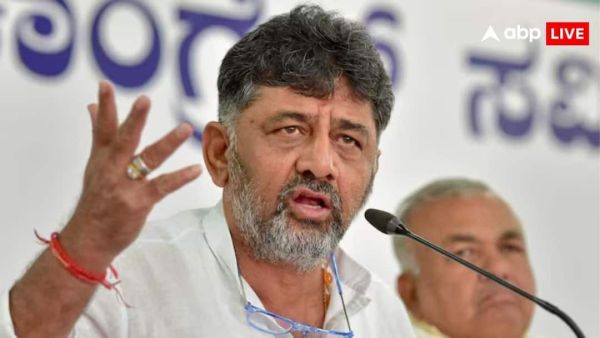
‘Look At Trump’: DK Shivakumar Says US President Is Copying Congress Welfare Model
-
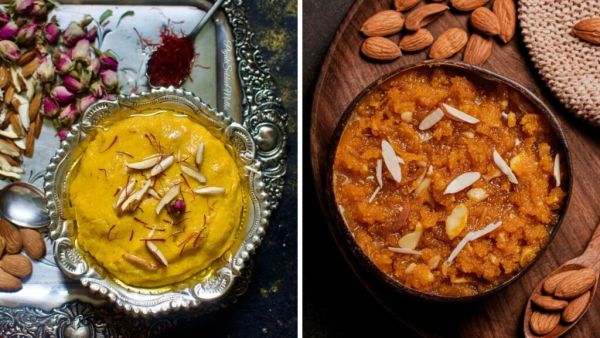
Ganeshotsav 2026: Instantly Make Royal Saffron Shake in 15 Minutes for Ganesha Bappa's Naiveda, Grate the Naiveda Platter
-
Ganesh Chaturthi 2023: Time to see Bappa in Mayur Vihar