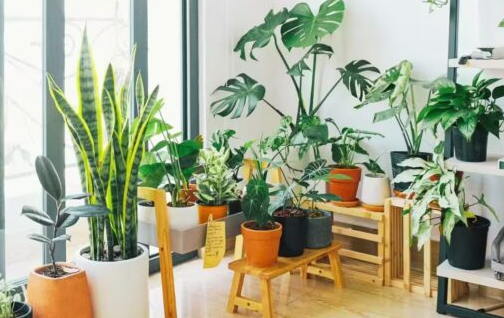
Snake Plant (Canva)
The snake plant needs no introduction. It is a plant which has now become a favourite for bedrooms, offices and low-light corners. The NASA-linked list associates it with formaldehyde, benzene, xylene, toluene and nitrogen oxides. The best part is that it needs very little attention.Peace LilyThen we have peace lily. The plant impresses with its glossy green leaves and elegant white flowers. It is probably one of the most beautiful plants on the list associated with several pollutants, including formaldehyde, benzene, and ammonia, among others. It prefers indirect light and moist soil.Aloe Vera
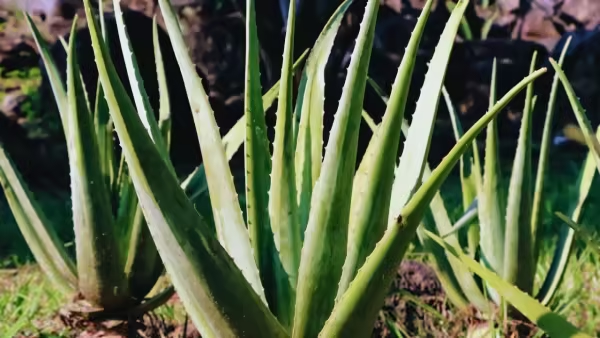
Aloe Vera (Canva)
The list also includes our good, old aloe vera. More than a familiar succulent, it is used in traditional home remedies. It was associated with formaldehyde and benzene removal. The plant loves bright and indirect sunlight.Boston FernThe list also features the beautiful Boston fern. For those who want something lush, it is an attractive option. It has been linked with the removal of formaldehyde and xylene. The plant likes humidity and regular watering.English IvyThe trailing English ivy can turn shelves and hanging baskets into green beauty. The NASA-linked list associates it with formaldehyde, benzene, xylene and toluene. It generally prefers moderate light.Rubber Plant

Image Credit: Canva
The glossy-leaved rubber plant is another popular one of the list. It’s a gorgeous indoor ornamental tree which has air-quality association in the list is formaldehyde removal. The plant enjoys bright and indirect light.Golden PothosGolden Pothos, also known as a near-indestructible houseplant, is especially popular with first-time plant owners. It can tolerate relatively low light.Bamboo PalmThe list also features bamboo palm which brings a tropical appearance indoors. It is associated with formaldehyde, benzene, trichloroethylene and xylene and enjoys indirect light.dracaenaThe Dracaena group includes several popular indoor varieties. The NASA-linked list associates them with formaldehyde, benzene, trichloroethylene, xylene and toluene. They enjoy bright, indirect light.Areca Palm

Palm (Canva)
The Areca Palm is a popular choice for larger rooms. It was associated with formaldehyde, xylene and toluene. It needs bright, indirect light and regular watering.Gerbera DaisyThe colourful gerbera daisy (Gerbera jamesonii) brings flowers rather than just foliage to the NASA-associated list. It prefers plenty of light and well-drained soil.PhilodendronThe Philodendron impresses with its heart-shaped leaves. It is easy to grow and generally prefers indirect light.Weeping FigThe stunning weeping fig can grow into a small indoor tree. It was associated with formaldehyde, xylene and toluene. The plant loves bright and indirect light.Chinese Evergreen
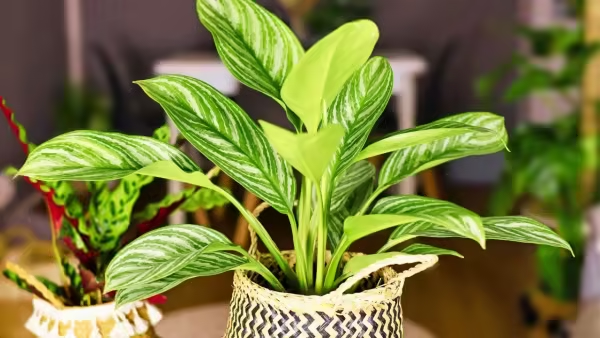
Chinese evergreen (Canva)
On the list is also Chinese Evergreen which is known for its patterned foliage. It enjoys relatively low light. It is associated with formaldehyde and benzene removal and is among the easier plants to maintain.So if you’re looking for an attractive, low-cost way to bring more greenery indoors, these 15 plants can change the ambience of your home.
-
Good news… now an opportunity to invest in real estate for just 100 rupees! Navi AMC launches new Index Fund

-
Big update in Tata Group: Search for N Chandrasekaran's successor halted, know the big reason behind this

-
Copyright Office Rejects AI System DABUS as Author Under Indian Law

-
Yogi government increased the salary of three and a half lakh outsourced employees by up to seven thousand rupees.

-
PhonePe Offline UPI: Make UPI payment without internet! PhonePe launches 'PhonePe UPI 123Pay' service for 20 crore feature phone users; Know how it will work