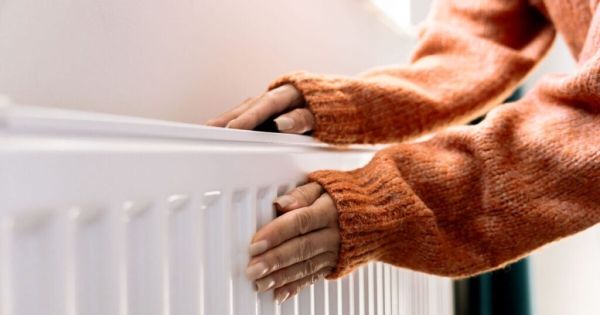
It’ll soon be time to turn the heating back on (Image: Getty)
Now that September has arrived, it’s time to think about when you’ll turn the heating back on. Whether you want to do it right away or wait until temperatures have dropped a bit more, it’s important to be prepared.
Your central heating has probably been switched off for months on end due to the hot summer weather. And when you do finally switch it on, there are a lot of potential issues that may have been lying dormant. So before you get those radiators fired up again, there’s one simple task that all homeowners should do.
According to the experts from Radiators 4 U, there are a few obvious tasks you should do before turning radiators back on — such as bleeding them and cleaning them — but another simple job is usually forgotten about.
However, carrying out this two-minute job could save you a lot of time, money and hassle down the line, when it actually starts to get colder.
They said: “Now is a good time to check your radiators for leaks. Leaks can occur with older pipework or if pipes and valves have been knocked throughout the summer
“Detecting leaks in your central heating system is crucial to ensure its optimal performance and longevity.”
Damp patches on the walls can be a sign of a leak (Image: Getty)
How to check your radiator for leaks
The first step is to do a quick visual inspection of all radiators, pipes, valves, and the boiler, looking for any signs of moisture, rust, or water staining.
Any damp patches on walls, floors, or ceilings near the heating system can also indicate leaks.
You should also take a look at the pressure gauge on your boiler. If the pressure consistently drops after you’ve topped it up, it might be a red flag sign that there’s a leak somewhere in the system.
Sometimes you can even hear a leak, so listen closely to your radiators and pipes for a hissing sound, which can indicate escaping air or water.
What to do if your central heating is leaking
If you’ve found a leak, whether that’s within one of your radiators or the boiler itself, it’s important to act fast.
The experts warned: “Leaks can cause structural damage, increase your energy bills, and reduce the efficiency and lifespan of your heating system. If you’re unsure or can’t locate the leak, always consult with a heating engineer or professional.”
It’s best to contact an engineer now, rather than waiting until peak winter season, when it’s a lot busier and you might have to wait a lot longer to get the issue fixed.
They added: “If you delay, you risk facing longer wait times or not finding a slot that aligns with your schedule. To ensure your heating system is in tip-top condition and to preempt any plumbing issues before they escalate, it’s wise to book your plumber and heating engineer in advance.”
-
Bengaluru Woman Allegedly Finds Caterpillar In Paris Panini Food, Founder Apologies

-
Xiaomi's New Beast Revealed! 5GB RAM + Xring O3 Chip: 9 Pro Max Could Be The Fastest Android Tablet Yet

-
Double dose of entertainment with mobile connection! 'These' Airtel customers can get an exclusive chance to premiere 'Mirzapur'

-
Arteta hails Arsenal’s ‘finishers’ after Saka kills off Villa
-
When is The Transfer Window Closing in England, Spain, Germany, Italy and France? Check Time and All Major Transfers That Can Happen Before Deadline