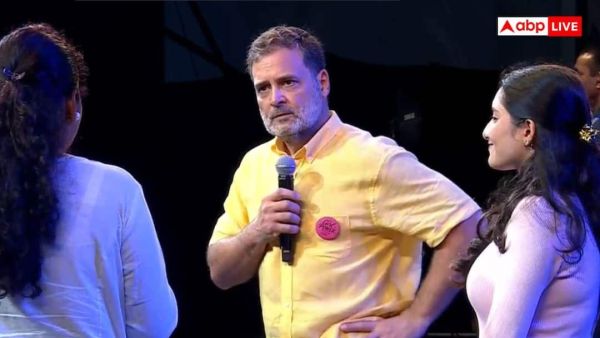
As political parties step up efforts to connect with India's Gen Z, a group of Gen Z creators has launched a website called 'Jhooth Ki Goonj' to fact-check claims made by Congress leader Rahul Gandhi during his 'Chhatron Ki Goonj' rallies.
The website went live on Aug 26 and describes itself with the tagline: "Four rallies, 40 claims, one answer." It aims to examine statements made by Gandhi during student-focused events held across different cities.
The platform reviews 40 statements made during Gandhi's 'Students Ki Goonj' programmes in Kota, Dehradun, Prayagraj and Pune between June and August 2026. It labels 29 of the claims as false and 11 as misleading, covering issues including government jobs, unemployment, education and crime.
What Does 'Jhooth Ki Goonj' Claim To Fact-Check?
According to the website, its assessment is based on 134 sources, including government data. The platform examines claims made during Gandhi's student rallies and presents data and other material that it says contradicts or challenges those statements.
The website also includes examples involving recruitment figures and updated survey data. Some of its entries focus on claims concerning job aspirants and cases of unreported sexual violence.
The platform has drawn attention on social media, where users have been sharing and discussing its findings.
How The Gen Z Fact-Check Platform Works
The website is presented as an independent fact-checking initiative created by anonymous individuals, members of the public, internet users, political experts and digital content creators. The group behind the platform is described as part of the wider "netizen" community.
The tracker was launched in August 2026, with its stated purpose being to scrutinise claims made during the 'Students Ki Goonj' campaign. Its launch comes as political parties increasingly focus on young voters and digital audiences.
Website Emerges Amid Influencer Controversy
The platform has also attracted attention amid a controversy over influencers associated with Rahul Gandhi's student events. BJP spokespersons had alleged that the Congress was paying social media influencers between Rs 25,000 and Rs 35,000 to attend the programmes, with the aim of presenting the resulting digital campaign as genuine Gen Z enthusiasm.
However, independent fact-checkers such as BOOM Live found misleading information circulating from both sides in connection with the events.
This included digitally manipulated videos falsely claiming that crowds were chanting slogans in support of Prime Minister Narendra Modi. Other viral posts used old footage from an international stadium in Mexico to falsely portray a large crowd at one of the rallies.
The emergence of 'Jhooth Ki Goonj' adds another layer to the increasingly digital contest over political narratives surrounding India's younger generation.
-
Hyundai N aims to raise annual sales fivefold to 100,000, with a new RWD/AWD model under development

-
Raksha Bandhan 2026: What Goes Into Perfect Rakhi Thali? Items-Timing, Here’s All You Need To Know

-
Bihar CM surveys flood-prone areas amid Nepal’s devastating floods
-
Russell, MSCI And Morningstar Set To Load Up On SpaceX Stock — Analyst Warns ‘True Value’ May Be Hard To Pin

-
Praggnanandhaa draws with Caruana, trails 3-9 in GCT title clash