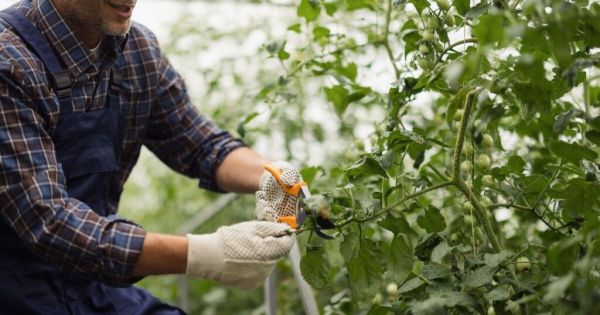
With September just around the corner, gardeners still have plenty to get done before summer gives way to autumn. From keeping plants watered during dry spells to pruning fruit trees and protecting crops from pests and disease, a little attention now can help keep the garden productive into the weeks ahead.
Here are five jobs worth tackling this week.
1. Keep plants watered during dry weather
Hot, dry conditions can quickly put plants under stress, particularly those growing in containers, against walls or newly planted this year.
Give plants a thorough soaking during dry spells, using stored rainwater or recycled grey water where possible. Keeping watering consistent is important, as irregular watering can contribute to problems such as blossom end rot in tomatoes, splitting root vegetables and flowers failing to develop properly on runner beans.
Fruit such as cranberries, lingonberries and blueberries should also be watered regularly with rainwater. If your water butt has run dry, tap water can be used.
Keep an eye out for signs of drought stress, including yellowing older leaves or browning around the edges of leaves. Container-grown plants are particularly vulnerable and may need a deep watering.
Plants growing in containers can also benefit from an organic liquid feed, such as seaweed feed.
2. Get some late-season sowing and planting done
There is still time to sow and plant certain crops before September arrives.
Gardeners in southern England can sow quick-growing salad crops including summer lettuce, radish, rocket, sorrel, chicory and fennel.
Spring cabbage, turnips, mizuna and mibuna, Chinese cabbage, pak choi and overwintering onions can also still be sown in the south.
If rain is on the way, consider sowing green manures such as crimson clover or Italian ryegrass over bare patches of soil. These crops help cover the ground, improve soil texture and conserve nutrients when they are eventually dug into the soil.
For fruit growers, now is also a good time to plant out rooted strawberry runners.
3. Prune and train fruit trees and bushes
Late summer is an important time for pruning several types of fruit.
Trained apples and pears, including espaliers and cordons, can be summer pruned by cutting side shoots back to three or four leaves. This encourages the formation of fruiting spurs.
Nectarines, apricots and peaches that have produced particularly strong new growth can be pruned once they have finished fruiting. Plums, gages and damsons should be pruned immediately after harvesting, while cherries can also be pruned if this has not already been done.
Summer-fruiting raspberries need attention too. Cut out the canes that have already produced fruit and tie in the new canes that will provide next year’s crop.
New blackberry and hybrid berry canes should be loosely tied to one side for now. These will carry next year’s fruit and can be properly tied in once the old fruiting canes have been removed.
It is also worth checking tree ties and loosening them where necessary as trunks increase in size. Remove any suckers developing around the base of fruit trees.
4. Check crops for pests and disease
A quick inspection of vegetables and fruit can help catch problems before they spread.
Keep an eye out for both tomato blight and potato blight. Any infected leaves should be removed as soon as they are spotted and added to council green waste or buried deeply.
Sweetcorn affected by smut disease should also be removed and placed in the council green waste collection.
Carrot fly remains a threat at this time of year, so keep carrots protected beneath reused fine mesh. Take particular care when thinning late-sown carrot seedlings, as the scent released during thinning can attract female carrot flies.
Stored onions should be checked for softening or signs of grey or black mould caused by neck rot. Remove affected bulbs and add them to the council compost collection to help prevent the problem spreading.
Brown rot can also affect ripening fruit. Pick affected apples, pears and plums from trees and dispose of them through council green waste where available.
Good ventilation is important for indoor grapes and melons, as it can help reduce the risk of powdery mildew.
5. Give fruit and vegetables some final summer care
There are several smaller jobs that can make a difference as summer draws to a close.
After strawberries have finished fruiting, remove the old straw and leaves and tidy the plants. Heavily laden branches on fruit trees and bushes may also need support to prevent them snapping under the weight of the crop. A stake or prop can help keep them upright.
Indoor melon plants need a little attention too. Pollinate the female flowers and then pinch out the stem around 2cm beyond the flower. Outdoor melons should have their growing point pinched out twice, with four weeks between each time. Once established, water them regularly with stored rainwater or greywater and give them a liquid seaweed feed.
In the vegetable garden, keep weeds under control around crops because they compete with vegetables for valuable moisture. Hoe regularly, although some native ‘weeds’ can be left around the edges of the garden to provide benefits for biodiversity.
Marrows should be lifted slightly off the soil to prevent discolouration where the fruit touches the ground.
For celery varieties that require blanching, continue earthing up the plants, placing a layer of paper between the stems and the soil.
With September almost here, these simple jobs can help gardeners protect their crops, support fruit production and prepare the garden for the changing season.
-
Taurus Zodiac Sign Horoscope Prediction Today

-
Horoscope Today: Astrological prediction August 26, 2026 for all zodiac signs

-
Gemini Horoscope Today, August 26, 2026: Professional situation will remain normal, work with caution

-
NATO troops in Ukraine unacceptable: Kremlin

-
Atletico Madrid confirm Thiago Almada's move to River Plate