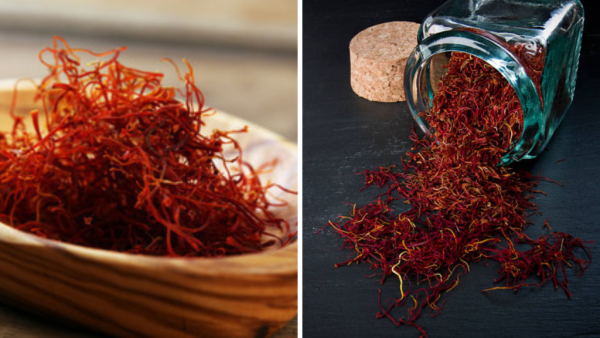
- Not every saffron available in the market is genuine. Due to its high cost, it is prone to adulteration and fraud
- If you are thinking of buying Kashmiri saffron, you can check its purity in seconds with a few simple home tests.
- Learn these important tips to choose authentic and true saffron
Real vs Fake Saffron: Saffron is known as the 'red gold' of Indian food culture. Kashmiri saffron is famous worldwide for its wonderful aroma, deep red color and medicinal properties. But, due to its high price, the market for adulterated and fake saffron has grown tremendously. Traders often dye corn fibers, plastic or thread red and sell it as saffron. Currently fake saffron is being sold in many places. your Lifestyle It is important to understand this for preservation
If you are thinking of buying Kashmiri saffron, a little caution can help you avoid being scammed. Let's take a look at some simple home tests that will help you identify real and fake saffron within seconds.
How to recognize real saffron
- Cold water test – The most accurate way to identify true saffron is the water test. Take some cold water in a glass and add 2-3 saffron sticks in it.
- True Saffron: It slowly sheds its golden-yellow color when immersed in water. It takes 10 to 15 minutes for the color to fade, but the red color of the thread remains.
- Fake Saffron: Immediately after immersion in water it gives off a dark red color and after a short time the thread turns white or colourless.
Regular consumption of a pinch of saffron will bring immense benefits to the body, health and skin will remain glowing forever
Identify by smell and taste
True Kashmiri saffron has a strong and sweet aroma, which can be felt even from a distance. The aroma is like a mixture of honey and dried grass. However, it is important to note that although its aroma is sweet, its taste is never sweet. True saffron tastes slightly bitter when placed on the tongue. If saffron tastes sweet, it may contain adulterated sugar or jaggery.
Rub test
After soaking the saffron in water, gently rub the saffron thread between your fingers. If the thread breaks or becomes pulpy when rubbed, it is fake. Genuine saffron threads remain strong even after soaking in water and do not break easily when rubbed.
Baking soda test
This is a very effective and simple test. Take some water in a small bowl and add a pinch of baking soda to it. Add some threads of saffron in it. If the water turns yellow, then Saffron is completely genuine. If the water turns red or dark orange in color, it contains chemical dyes.
What is saffron? That it is so expensive, know what Ayurveda says
Dryness test
Kashmiri saffron is never completely dry or hard. It feels a bit pliable and moist to the touch. If your saffron threads feel very dry, hard, or break easily when touched, chances are they are old or made from synthetic materials.
What to keep in mind while buying Kashmiri saffron
- Pay attention to the color: Genuine Kashmiri saffron is dark crimson red in color. Its thread ends are slightly wider.
- Don't compromise on price: Pure Kashmiri saffron is produced in limited quantities, so it is very expensive. If someone is offering you Kashmiri saffron at a very low price, there is a high possibility that it is fake.
- Check the GI Tag: Government provides GI tag to verify the authenticity of Kashmiri saffron. Be sure to check the GI tag logo and QR code on the package.
These simple home tests can save you from buying fake products and putting your health at risk. Keep these things in mind next time you buy 'red gold' from the market.
-
Thousands sing Vietnam’s national anthem in pouring rain at national concert

-
Ishaan Khatter and Chandni Bainz reportedly part ways

-
If you also eat curd during the rainy season, then avoid eating these things with it, so that your health does not deteriorate.
-
Your Zodiac Sign’s Daily Horoscope Is Here For Tuesday, August 25, 2026

-
How Does Google Know If A Business Is Busier Than Usual?