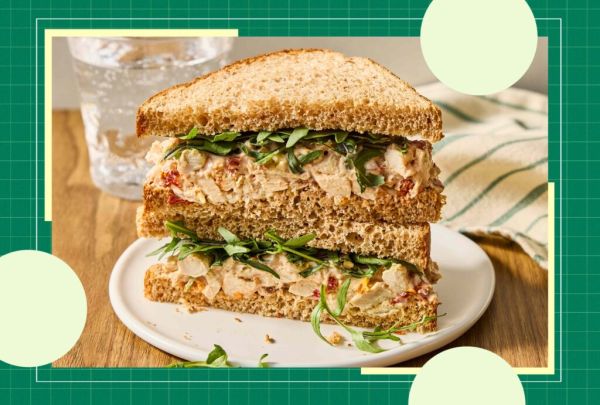
These simple swaps might have you feeling like you’re overlooking the Mediterranean Sea.
Reviewed by Dietitian Jane Leverich, M.S., RDN
Key Points
- The Mediterranean diet is a set of guiding principles that work together for better health.
- According to dietitians, these five swaps may help you follow the Mediterranean diet.
- Rich in vegetables, fruits, whole grains and legumes, this diet may help support overall health.
Growing up in an Italian-American family, I didn’t realize how much of the way my family ate was aligned with the Mediterranean diet and lifestyle. At family gatherings, we would sit around the table, talk for hours, enjoy our food and often take a walk or sit outside on the back porch afterward. Sarah Garone, NDTR notes, “A Mediterranean diet mimics the traditional eating patterns of people living around the Mediterranean Sea. The great thing about this diet is that it’s not a strict set of food rules. Instead, it’s a set of guiding principles that work together for better health.”
So what does eating a Mediterranean diet actually look like? “We’re talking about lots of vegetables, fruits, whole grains, beans, nuts, olive oil, and seafood, with smaller amounts of meat and sweets,” shares Lauren Manaker, M.S., RDN, LD, CLEC. “There’s no calorie counting and nothing is completely off-limits. That’s actually part of why it works so well for people. It’s flexible, it’s realistic, and it leaves plenty of room for the foods and traditions you already love.”
If you’re looking to make a few easy swaps to embrace a Mediterranean diet and lifestyle, dietitians and nutrition experts suggest you give these five a try.
1. The Swap: Whole Grain Bread for White Bread
Subbing in 100% whole grain bread for white bread is a simple swap that will boost fiber and other important nutrients. “Whole grains keep the bran and germ, which is where a lot of the important nutrients are found, like fiber, B vitamins, and minerals,” says Manaker. Plus, whole grains have a lot to offer your health–they’re associated with a decreased risk of type 2 diabetes, cardiovascular disease and all-cause mortality. ,
Not sure how to implement the swap? Here’s an idea: “Try swapping white bread with 100% whole wheat bread little by little. For example, if you eat a sandwich every day, try whole wheat bread every second or third day at first,” says Garone.
2. The Swap: Fish for Meat
If you’re a regular meat eater, you may benefit from swapping in fish a few times per week. Fish typically contains less saturated fat and calories and boasts different nutrients like omega-3s, vitamin D, iodine and selenium. Eating fish twice per week, particularly fatty fish, can support heart health. Fatty fish like salmon is also a source of omega-3 fatty acids, which play important roles in brain health and have anti-inflammatory properties. Get started by grilling or roasting fish as you might do for meat. “You can enjoy fish in familiar, well-liked preparations where you usually eat meat, such as salmon burgers or tuna steaks,” offers Garone.
3. The Swap: Fruit & Nuts for High-Sugar & High-Salt Snacks
The Mediterranean Diet doesn’t omit or avoid any specific food, but it does emphasize choosing nutrient-dense foods like fruits, nuts and seeds more often than not. If you find yourself reaching for high-sugar or high-salt snacks often, Manaker has a tip for you: “The trick is to make the better choice the easy choice. A lot of snacking is just grabbing whatever is closest, so I tell people to set themselves up to win. Keep a bowl of fruit out where you can see it, and portion nuts into small containers or bags so they’re ready to grab.”
Here’s a pro-tip for making fruits the easy choice: the fruit doesn’t have to be exclusively fresh–dried, canned and frozen are all healthy options too. Just be sure to check the nutrition facts panel and opt for canned or dried varieties that are low in or have zero added sugar. For nuts, check the label for low or no sodium options.
4. The Swap: Eating with Others for Eating Alone
Eating in community is an often overlooked aspect of the Mediterranean diet and lifestyle. Research suggests that sharing meals with others is associated with greater well-being, and experts say the practice of enjoying food together is an important part of Mediterranean-style living. “There’s a growing body of research suggesting that sharing meals with others is connected to better wellbeing, and it’s a real feature of Mediterranean-style living, where meals are often slower and more social,” says Manaker.,
So call up a friend and schedule a dinner date! If you need help meeting people, consider volunteering with a local organization or joining an intramural sports league.
5. The Swap: Walking After Dinner for TV After Dinner
Most of us like to enjoy a TV show after dinner as a way to unwind. Instead, do as those in the Mediterranean do–before you sit down for the night, try going for an after-dinner walk. Your body will thank you. “A post-meal walk is a great way to stabilize your blood sugar after eating. Some research shows that walking for as little as 2 minutes is enough to have positive effects. I’d recommend getting on your feet for longer, though, if you can,” notes Garone.
Our Expert Take
If you’re interested in a few simple swaps to help you follow the Mediterranean diet and lifestyle, we’ve got you covered. Experts suggest swapping whole grain bread for white bread and choosing fish instead of meat a few times per week. Reach for fruits and nuts instead of high-sugar or high-salt foods. When it comes to the lifestyle, try eating with others rather than alone or taking a walk after dinner instead of settling in on the couch. “When it comes to adopting a Mediterranean diet, remember: Rome wasn’t built in a day. If you’re new to this eating pattern, take it slow,” shares Garone.
-
Exclusive: Al-Ittihad source reveals the truth on Karim Benzema return talk

-
John McGinn says Luke Shaw was the surprise opponent who made him “adapt” his game

-
Omar Marmoush explains why he joined Tottenham as shirt number is confirmed

-
Liverpool agree Bradley Barcola move, Chelsea pursue defender, Arsenal and Manchester City keen on forward in latest transfer updates

-
Repeated food falling hair! Do you know why arranged family may be broken?