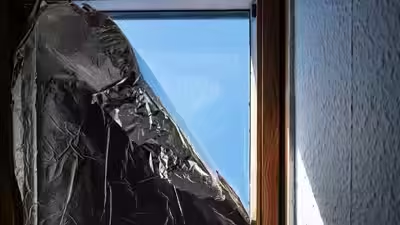
How does Aluminium foil help to keep the rooms cooler
By blocking a portion of incoming solar radiation, foil-covered windows reduce the heat that builds up inside a room over the course of a hot day. This can be effective in those spaces that get direct, prolonged sun exposure, like west-facing bedrooms or living rooms in the late afternoon. It doesn’t drop the temperature massively on its own, but along with fans, cross-ventilation, or air conditioning, it can noticeably lighten the load and help a room feel less like a greenhouse by evening.
How to cover the windows with aluminium foil
Foil works best when the sunlight gets reflected before it ever reaches the glass.
For this, take a piece of foil that is equal to the size of the glass window, and tear it from the roll.
Then place it over the window and stick it with cello tape. Placing the aluminium foil on the outside of the window generally outperforms sticking it on the inside. When foil is applied indoors, the window pane itself still absorbs heat and can even warm up enough to stress or crack the glass over time. Covering the exterior side reflects the radiation away right at the source, keeping both the room and the glass itself noticeably cooler throughout the day.
What precautions should be kept in mind when using this hack?
Aluminum foil is a stopgap, not a solution. It doesn’t offer the durability, appearance, or year-round performance of professional solar control films, insulated glazing, or exterior shading systems that are specifically made for thermal protection.
It can also block most or all natural light, which isn’t practical for each room or every day. This hack can be used as an emergency measure for the worst stretch of a heatwave, not something meant to stay taped up on your windows all summer long.