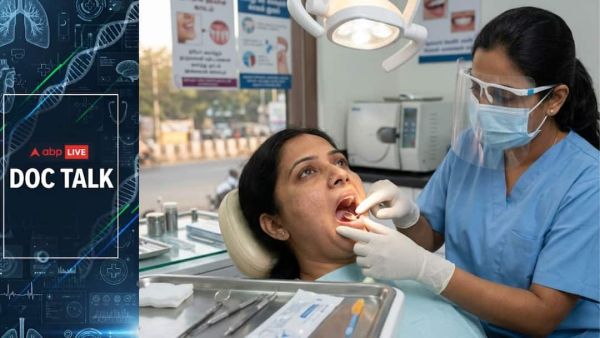
Most people visit the dentist because of a toothache, cavities, or for routine cleaning. Few realise that the same appointment can also help detect oral cancer at a stage when treatment is more effective, and recovery rates are significantly higher. Every dental examination includes a close look at the inside of the mouth. Dentists examine the tongue, gums, cheeks, lips, palate, and other soft tissues where subtle changes become more noticeable. These changes include early signs of oral cancers such as a small ulcer that refuses to heal, an unexplained white or red patch, or a lump inside the mouth.
In India, oral cancer remains a major public health concern due to widespread use of smokeless tobacco, gutka, paan, betel nut, smoking, and alcohol.
Oral Cancer Risk Remains High In India
Even so, experts believe there is room for improvement. Research has shown that comprehensive oral cancer screening is not yet a standard part of every dental visit. While examinations of teeth are almost universal, fewer dentists consistently examine all soft tissues of the mouth or discuss lifestyle risks such as tobacco and alcohol use with patients.
The incidence of oral cancer is increasing in younger adults, so there is a greater need for vigilance. Clinical studies in India have reported a significant proportion of patients below the age of 40. Tobacco practices are still dominated by gutka and chewing tobacco. Long-term and frequent users face a much higher risk of developing the disease than people who have never used these substances.
Newer Screening Methods Could Aid Early Detection
Technology has helped in the simplification of the screening process. One approach attracting attention is oral brush cytology, commonly called a brush biopsy. A small brush is used to gently rub a suspicious-looking area, and a sample of cells is taken to be examined in a laboratory. The procedure is quick, not very painful, and can help decide if a standard biopsy is needed. Scientists are also developing saliva tests that detect genetic markers associated with oral cancer, opening the door for quicker, less invasive diagnoses down the line.
Hospitals have begun to develop structured screening programmes around these advances. #OraLife, an initiative to identify oral cancer at its early stages, was launched by Apollo Cancer Centres through which comprehensive visual and tactile assessments are conducted by trained head and neck specialists. During these screenings, doctors look for warning signs such as persistent mouth ulcers, white or red patches, unexplained swelling, and sores that do not heal.
Persistent Mouth Changes Should Not Be Ignored
Doctors involved in the programme emphasise that oral cancer is among the few cancers where a careful clinical examination can make a meaningful difference before the disease progresses. For people who use tobacco in any form, regular screening becomes even more important because their risk is substantially higher.
Many early symptoms are painless, which is one reason people delay seeking medical attention. A mouth ulcer that lasts longer than three weeks, a patch inside the mouth that does not disappear, difficulty chewing or swallowing, a persistent change in the voice, or a lump in the neck should always be evaluated. These symptoms may have causes other than cancer, but they should never be ignored.
For most people, a dental appointment is simply another item on the calendar. Yet those few minutes spent examining the inside of the mouth can reveal changes that deserve closer attention. In a country carrying one of the world's highest oral cancer burdens, making oral cancer screening a routine part of dental care could help many patients begin treatment before the disease reaches an advanced stage.
-
Who Needs Leather? Bentley’s First EV Will Get a 100 Per Cent Merino Wool Interior Trim Option

-
Toyota GR GT reveals more of its engineering details at Laguna Seca

-
Shravan Special Recipe: In 5 Minutes Make Special Rice Ghavan For Fasting, Note The Recipe

-
Enjoy monsoon in hill stations of India

-
Employees got a big gift! 2% increased DA will be applicable from January 1