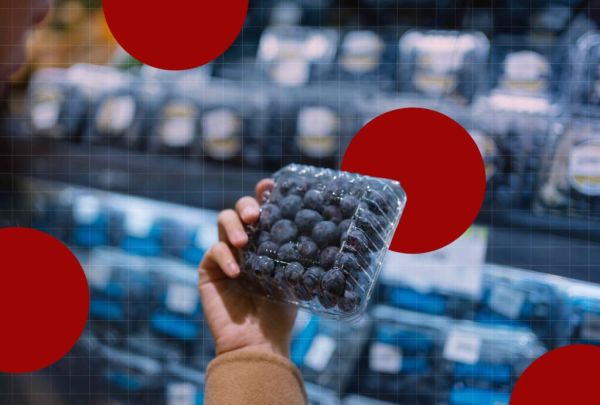
Watch for these signs of spoilage in fresh blueberries.
Reviewed by Dietitian Lisa Valente, M.S., RD
Key Points
- Blueberries are full of nutrients and delicious, but they can spoil quickly.
- To find the best berries, look for deep blue color and a silvery “bloom” and check the date.
- Avoid any blueberries where you can see visible mold and skip any packages with moisture.
Blueberries may be one of the smallest fruits, but they’ve got some serious main character energy. Packed with big flavor and nutrition, they’re a seasonal buy that adds color and sweetness to all sorts of tasty meals and treats. But while you’re perusing the fresh blueberry offerings at the grocery store or farmer’s market, it’s critical to purchase packages that aren’t already in the process of spoiling. (With the high cost of berries, you probably want to enjoy every last one, not throw them away.)
So how can you make the most of your hard-earned produce? Here’s what food safety experts and growers recommend looking for in fresh blueberries—and which signs mean it’s best to skip a package.
What to Look for In Blueberries
Not surprisingly, the best blueberries are the ones with the most visual appeal. That includes indications like shape, texture and color. “Look for blueberries that are plump, firm and deep blue or purple-blue,” recommends Jessica Brantley-Lopez, M.B.A., RDN. The dark color of blueberries is a good sign of anthocyanins, the compounds that give blueberries their antioxidant power.
Another marker of freshness is something called “bloom.” This is a powdery dusting that gives blueberries an almost silver sheen. (You’ll know it when you see it—it doesn’t look like mold.) “The way I look at it, bloom on a blueberry is a protective barrier that helps it retain moisture and maintain quality,” says Zach SemerikovFood Safety and Quality Assurance Manager at Scenic Fruit Company and a member of the United States Highbush Blueberry Council’s BerrySmart Food Safety Task Force. “Visible bloom is a sign of freshness and should not be frowned upon.”
It’s always a good idea to check blueberries’ freshness date, too. This gives you a sense of how long you have to use them. And while you’re at it, give the container a quick shake. “The berries should look dry and move freely in the container rather than sticking together,” says Brantley-Lopez.
What to Watch Out for with Blueberries
While some visuals indicate freshness in blueberries, others are red flags of impending—or active—spoilage. One top sign to watch for: mold. “If you see packaged blueberries in the store and they are already moldy, they should not be purchased,” says Don Schaffner, Ph.D., chair of the Department of Food Science at Rutgers University. Mold may extend beyond what you can actually see, Brantley-Lopez adds, so you can’t always tell how many berries in a package are affected. And while you may want to shop quickly, spend some time looking at the container. Turn it around in your hands and check for any visible mold at the bottom and the sides where it may be lurking, even if the berries at first glance look good.
Meanwhile, moisture within a blueberry container creates a mold-friendly environment. All of our experts recommended passing up packages that contain liquid. “[Mold and liquid] typically tell me that the blueberries are starting to overripen, are beginning to break down and are beginning to spoil, which can negatively impact quality, flavor and shelf-life,” says Semerikov. Broken berries are also a no-go. “When the blueberry skin is damaged, this can also release moisture and will also promote mold growth,” says Schaffner.“I would [also] avoid packages with a lot of red or green berries, as well as berries that look soft, flattened or damaged,” says Brantley-Lopez. Green and red berries aren’t ripe and may be sour or flavorless.
How to Best Store Blueberries
Got a nice, juicy blueberry haul? It’s time to get your berries stored where they’ll stay fresh. Stick to these tips:
- Refrigerate. While some fruits can stay on the counter, blueberries are best kept in the refrigerator. Brantley-Lopez recommends stashing them in a fridge set at 40°F or below.
- Keep them in a breathable container. There’s usually no need to re-home blueberries into a new container. Semerikov says breathable store-bought clamshells or baskets do just fine. “[These] allow for airflow to help keep the berries dry,” he explains. “The mix of colder temperatures and airflow will help keep the spoilage organisms in check and will prolong the life of the blueberry.”
- Don’t wash until just before eating. Washing blueberries too soon can create excess moisture that promotes mold growth. “If you plan to wash your blueberries, I recommend removing them from the refrigerator and rinsing off with cold water just prior to consumption,” says Schaffner.
- Keep frozen blueberries frozen. If your grocery trip happens to include frozen blueberries, store them the way you bought them. According to Brantley-Lopez, frozen blueberries should be kept at 0°F or below in their sealed original package or another airtight, freezer-safe container.
Our Expert Take
With a relatively high price tag and brief seasonal window, fresh blueberries are practically precious culinary gems. It’s worth taking steps to make them last as long as possible—or at least until your family can eat them all! Select the best blueberries by looking for firm, plump, deep blue fruits with a dusting of silvery “bloom.” And avoid packages with mold or visible liquid, which indicate spoilage. Then enjoy these delicious fruits in muffins, pies, salads, or any other dishes you dream up.
-
Mourinho speaks on Diomande, Tchouameni, Valverde, Vinicius, Mbappe, Bellingham and Khedira before Espanyol vs Real Madrid

-
Laddu Yadav gets notice over Aug 15 programme at Begum Bazar

-
Gulf states hosting US bases ‘supported’ attack: Iran official

-
Bigger protest in Rajasthan if ‘goons’ not held in 48 hrs: CJP

-
Ukraine Farmers Struggle To Sell Harvest Amid War, Drought