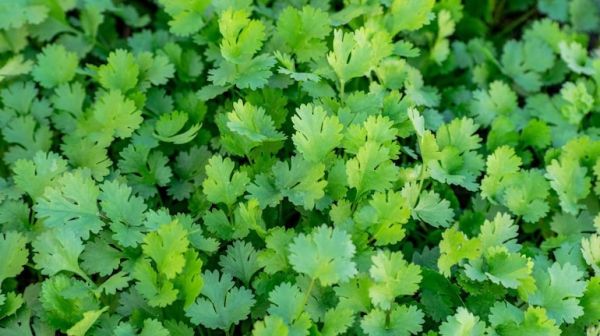
Fresh coriander leaves have the highest place in Indian kitchen and food culture. Be it adding spice to spicy dal, garnishing a juicy vegetable, adding aroma to biryani or preparing green chutney that enhances the taste of food – any Indian dish seems incomplete without green coriander leaves. When we buy fresh, green and aromatic coriander from the market, as wonderful as it looks, it is a big headache to maintain it. A common complaint seen in most of the houses is that when coriander is kept in the fridge, it turns black and rots within just 2 to 3 days, its leaves start rotting by releasing water and a strange smell starts coming from it. To avoid this wastage, people make frequent trips to the market or are forced to throw away rotten coriander. But what if you find such an easy and miraculous way that your green coriander remains as green, crisp and fresh in the fridge for 20 to 25 days as it was when it was plucked from the field? Yes, 'Paper Towel Hack', which is becoming increasingly viral on social media and among home chefs, can solve your daily problems in a jiffy. Why does green coriander melt and rot when kept in the fridge? Know the real reason: Before knowing how to keep coriander fresh for a long time, it is important to understand why it rots so fast as soon as it goes in the fridge. Green coriander is a very delicate and sensitive leafy herb. When we bring coriander from the market, it is already sprayed with water or moisture is present due to contact with air. When this wet or moist coriander is tied directly in a polythene bag and kept in the refrigerator, due to the drop in temperature, 'condensation' i.e. small drops of water starts forming inside the bag. This excess moisture accumulates on the coriander leaves. In the absence of sunlight and air, this moisture creates an ideal environment for fungus and rot-causing bacteria. Within a few hours the leaves begin to rot and a single rotten leaf engulfs the entire bunch. Apart from this, the leaves also get 'cold burn' when kept right in front of the cold vent of the refrigerator, due to which they turn black. Magical 'Paper Towel Hack': Step-by-Step Method to Keep Coriander Fresh for 3 Weeks This simple yet highly effective kitchen trick works on the principle of absorbing excess moisture and giving the leaves the necessary breathing space. To adopt this method, you have to follow these 5 easy steps: Step 1: Separate the rotten and yellow leaves immediately (Sorting): As soon as you bring coriander from the market, first of all open its bundle. Pick out any yellow, black, dry or rotten leaves and weeds present in it and remove them completely. A single bad leaf can cause the entire bunch to rot. Step 2: Trimming the Roots: If coriander has very thick and soil covered roots, cut off the lower hard part of the roots with the help of a knife or scissors. Do not cut the stems of the leaves, because the real taste and nutrition is hidden in the stalk itself. Step 3: Drying to 100% Moisture (Drying is Key): If the coriander is too wet or soiled, wash it gently in cold water. After this, spread it on a dry cotton cloth or under the wind of a fan and leave it until every drop of water from the upper surface of the leaves dries completely. Remember, the biggest condition of this hack is that the leaves should be completely dry while storing. Step 4: The Paper Towel Wrap: Now take a clean and dry airtight plastic or glass container. Place a double layer of kitchen paper roll/tissue paper in the bottom of the container. Place clean and dry coriander on it. After this, cover the coriander well with another paper towel. Step 5: Pack airtight and keep in the vegetable crisper of the refrigerator: Close the lid of the container tightly and keep it in the vegetable box (Crisper Drawer) of the refrigerator, where the temperature remains balanced. The paper towel will absorb any excess steam or moisture that forms inside the container, so the leaves will never get soggy. If the paper towel feels wet after 7-8 days, simply replace it with a new dry paper towel. 'Glass and Jar Hack' with Water: Leaves Will Keep Blooming Like a Pot If you don't have an airtight container, you can try another popular bouquet method: Take a clean glass or wide-mouthed jar and fill it with just 1 to 2 inches of clean water at the bottom. Trim the coriander roots slightly from the bottom and place the entire bunch vertically in a glass in such a way that only the lower part of the stem is immersed in water and the leaves remain dry above the water. Cover the leaves with a clean plastic ziplock bag or polythene very loosely from above so that the moisture of the leaves does not evaporate. Keep it on the shelf near the door of the refrigerator and keep changing the water in the glass every 3 to 4 days. In this way, coriander remains green and alive like a plant for about 15 to 20 days. Do pre-treatment with turmeric water: Pesticides and bacteria will be eliminated. Nowadays, chemicals and pesticides are used heavily on vegetables. To disinfect coriander before storing, take lukewarm water in a vessel and add half a teaspoon of turmeric powder and a teaspoon of white vinegar or salt to it. Soak coriander in this water for 5 minutes. Turmeric and vinegar are natural anti-bacterial agents that destroy the germs and chemicals present on the leaves. After this, wash the coriander with plain water, dry it completely and then pack it in a paper towel. Do not commit these 4 mistakes while storing coriander. Often people unknowingly commit such mistakes due to which no recipe works. Always avoid these habits: Leaving polythene and rubber bands in the market: Remove black or blue polythene and rubber bands immediately as soon as you bring them from the market. The rubber band presses and breaks the stems, due to which rotting begins. Storing wet leaves directly in a closed container: If there are water droplets on the leaves and you close them, the cilantro will turn yellow and slimy within 24 hours. Keeping coriander near the freezer vent of the refrigerator: If you keep coriander in that part of the refrigerator from where ice-cold air directly comes out, the leaves immediately shrink and turn black. Keeping near fruits that release ethylene: Fruits like apples, bananas and ripe tomatoes release 'ethylene gas', which causes green vegetables to ripen prematurely and rot. Always keep coriander away from these fruits. Green Coriander is not only for taste but also for health. Natural treasure. Fresh green coriander is not just a garnishing item, but it is also a powerful medicine for our body. Vitamin A, Vitamin C, Vitamin K, folate, potassium and iron are found in abundance in it: Keeping the digestive system healthy: The digestive enzymes present in coriander immediately soothe the problems of stomach gas, acidity, heaviness and indigestion. Controlling blood sugar: Many researches have proved that the active ingredients of coriander help in maintaining balanced blood sugar level by increasing the amount of insulin in the blood. Cholesterol and heart health: It is helpful in reducing harmful LDL (bad cholesterol) and increasing good HDL cholesterol from the body. Glowing eyes and skin: Being rich in Vitamin A and antioxidants, it improves eyesight and keeps acne and blemishes away from the skin. Kitchen work becomes easier and more enjoyable when your ingredients stay fresh and ready to use for a longer period of time. Next time you buy green coriander from the market, instead of throwing it haphazardly in the fridge, try this easy 'paper towel hack' and get the rich taste of fresh and aromatic coriander in your plate every day.
-
'Best possible specialists' - Xabi Alonso explains Chelsea's move to appoint Aston Villa set-piece expert Austin MacPhee

-
Manchester United considering late move for versatile target as Bruno Fernandes talks continue

-
Soha Ali Khan's High-Protein Oats Recipe For Vegetarians Is Perfect for A Healthy Breakfast

-
How can cancer or treatment in children affect the eyes and vision? Know in detail

-
Meta cornered on children's safety, demands compensation up to 1.4 trillion dollars; Serious questions raised on Facebook-Instagram