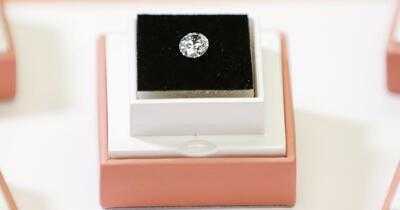
You’ve probably heard the saying “a diamond is forever”. What if the market for them – with its hefty price tags – isn’t?
Back in March, Rio Tinto ended production at its Diavik diamond mine in Canada after 23 years. Earlier this month, diamond mining company De Beers announced a two-year production pause at the company’s flagship Venetia mine in South Africa.
De Beers is majority-owned by global mining giant Anglo American. According to a Bloomberg report this week, Anglo is now in talks to sell its 85% stake for about US$1 billion – a tiny fraction of the US$18 billion it was valued at when taken private in 2001.
So, what’s going on? The industry certainly hasn’t run out of diamonds to mine. But current prices and costs have made continued production of natural diamonds harder to justify.
Over the past couple of decades, lab-grown diamonds have changed the game. Consumers are also reconsidering what makes a diamond valuable – and what responsible consumption means.
A lesson from aluminiumIn the mid-nineteenth century, aluminium was treated as a luxury material and its value exceeded that of gold. While it was abundant in the Earth’s crust, it was difficult and expensive to isolate and refine.
This dynamic shifted in the latter half of the century, when new industrial processes made aluminium far cheaper to...
Read more
-
CWG: Boxers shine with record 7 gold, best show by judokas, para athletes

-
Aston Villa and Manchester United tracking Juventus outcast Teun Koopmeiners

-
Sachin Siwach Wins Men's 60kg Boxing Gold After Thrilling Comeback Victory Over Namibia's Tryagain

-
Two-Year Prison Sentence for Umesh Patel in Daman Recruitment Case

-
Investigation into Alleged Donations Theft at Ayodhya Ram Temple Nears Conclusion