Monsoon plants: If you’re looking to start home gardening, the monsoon is considered the best season. During this time, the soil retains natural moisture, temperatures are balanced, and plant roots develop rapidly. This is why even experienced gardeners choose the rainy season to plant new plants and prepare cuttings. By choosing the right plants, you can fill your home with flowers, greenery, and natural fragrance in just a few months.
Hibiscus: The fastest growing plant
If you’re looking for a plant that blooms year-round, hibiscus is the best choice. New branches emerge rapidly during the rainy season, and the plant fills with flowers in no time. Choose a 12–16-inch pot for planting. Mix 40% regular soil, 30% vermicompost or decomposed cow dung, 20% cocopeat, and 10% sand in the potting mix. Place it in a location that receives 5–6 hours of sunlight daily, and ensure the pot doesn’t allow water to accumulate.
Mogra: Will make the whole house smell good
If you love natural fragrance, consider planting jasmine. Its growth is rapid during the monsoon season, and its subtle scent transforms the atmosphere of your home as evening approaches. Plant it in well-drained soil and place it in a location that receives morning sun. Avoid overwatering. Pruning lightly after flowering encourages the growth of new branches and increases the number of flowers in the next flowering season.
Bougainvillea: Abundant flowers with little care
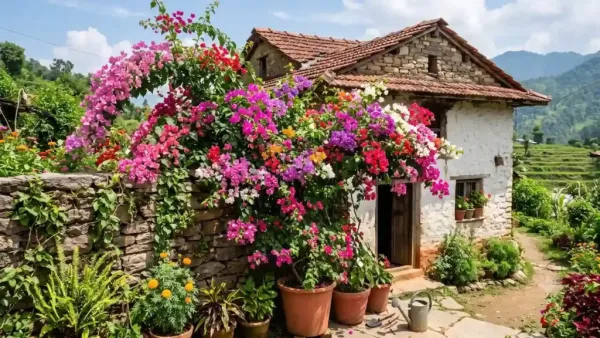
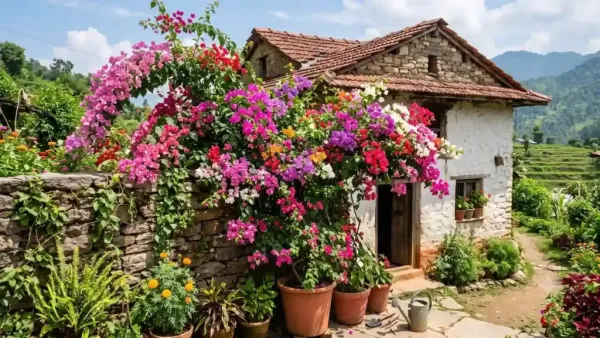
If you don’t have much time to care for plants, bougainvillea is the perfect plant. Available in pink, red, purple, orange, and white, this plant develops roots rapidly during the monsoon. It can be planted in large pots or in the ground. It blooms most abundantly when it receives plenty of sunlight. Water only when the soil is dry and prune lightly from time to time, which encourages new branches and more flowers.
Kaner: Great performance in all seasons
Nerium balsam is one of those plants that easily tolerates intense heat, heavy rain, and mild cold. Its pink, yellow, red, and white flowers persist for several days. Plant it in a sunny location and use well-drained soil. A monthly application of organic fertilizer ensures continuous flowering. Even with minimal care, it’s a wonderful addition to your garden.
Aparajita: Medicinal properties along with beauty
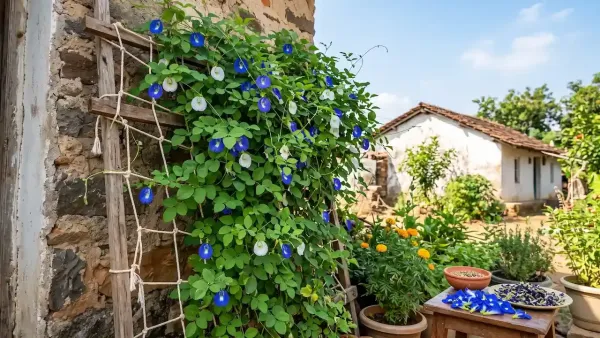
Aparajita, a fast-growing vine with blue, white, and purple flowers, is used in rituals and herbal teas. It can be easily grown from seeds or cuttings. Provide trellises, ropes, or wooden supports for the plant to climb. Regular sunlight and monthly vermicomposting will help this vine spread rapidly and produce continuous flowering.
Keep these things in mind while planting trees in monsoon.
During the rainy season, it’s crucial to prevent water from pooling in the pot. Each pot should have adequate drainage holes. Constant moisture increases the risk of fungus, so a light spray of neem oil every 15 days is beneficial. If it’s raining continuously and the soil is already wet, don’t water it at all. Spreading dry leaves or mulch around the plants also improves soil quality.
Why is planting trees in monsoon most beneficial?
The rainy season is a time for natural plant growth. Plants like hibiscus, mogra, bougainvillea, oleander, and aparajita develop roots rapidly during this season, becoming dense and healthy in a short time. If you want your home to be filled with colorful flowers, greenery, and natural fragrance in the coming months, monsoon is the perfect time to plant these plants.
FAQ
Which plants should be planted in the rainy season?
Planting plants like Hibiscus, Mogra, Bougainvillea, Kaner, Aparajita and Tulsi is considered best during the monsoon season.
Is rain water good for plants?
Yes, rainwater contains natural nitrogen and micro-nutrients, which act as a great booster for plant growth.
How to protect plants from fungus in monsoon?
To protect the plants from fungus, do not let water stagnate in the pot and spray neem oil or clean fungicide every 14-15 days.
Should plants be fertilized during monsoon?
It is good to apply cow dung manure or vermicompost at the beginning of monsoon, but avoid applying manure when it is raining heavily as the manure may get washed away with the water.
How to plant Aparajita plant in monsoon?
You can easily grow Aparajita by buying it from a nursery or by directly sowing its seeds in well-drained soil.
Read More: Prepare anti-aging face serum from litchi, skin will get natural glow and fresh look
-
Police arrest three for burglary, bike theft cases in Adibatla

-
Rights lawyer flags poor awareness of SC sex workers ruling

-
Price of commercial LPG slashed by Rs 192, ATF dearer by Rs 5/lt

-
Salman Khan prays for Sanjay Dutt: Allah, Bhagwan, Jesus keep him happy

-
Kerala Rains: 3 Killed In Landslides, Several Feared Trapped As Floods Batter Idukki, Kottayam