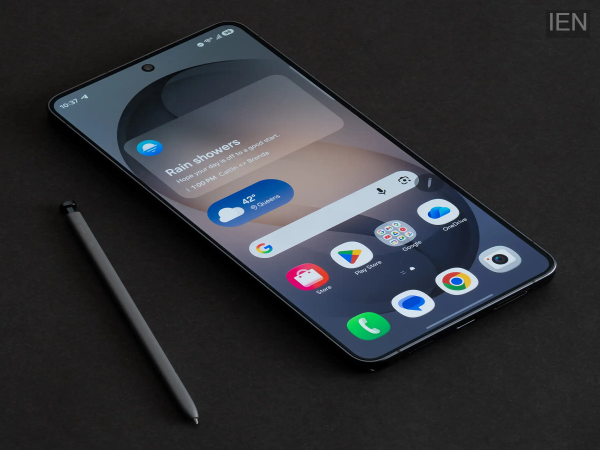
Old features in new phones? Budget Androids might disappoint
Smartphone Upgrade: Rising smartphone prices pose a challenge for companies. To cope with this, companies may compromise on features in budget models rather than raising their prices.
Smartphone Upgrade: This year is proving to be quite challenging for the smartphone industry. Phone prices are steadily rising due to a shortage of memory chips and the increased cost of other components. This has impacted shipment numbers; as prices go up, people are postponing their decisions to buy new phones. Market trends suggest there is no expectation of relief in the near future. To maintain their profit margins, companies are cutting back on features in budget phones—a trend particularly visible in the entry-level segment. If you are planning to buy a new budget Android phone, do not expect every component to be upgraded; some components are being left unchanged, with older versions being used even in new models.
SoC
Over the past year, the iPhone 17 series and Samsung Galaxy S26 series have seen strong sales. Consequently, chip manufacturers like Qualcomm and MediaTek are focusing more on producing processors for flagship phones. Meanwhile, demand for entry-level and mid-range smartphones has declined. The result is that phones priced under approximately ₹40,000 might come with last year's chipset instead of a new one. In other words, even though you are paying for a new phone, its processor performance will be on par with a year-old model. Even if companies do provide a new processor, there may not be a significant difference in performance. Therefore, if you are buying a budget Android phone, you should not expect a major upgrade in terms of the processor.
Wireless modems
Along with the processor, the modem chip is a crucial component of a smartphone. It enables the phone to connect to 5G, 4G, Wi-Fi, Bluetooth, and other wireless networks. Modem chips rarely make headlines, so most customers overlook them. However, a concern with newer models is that companies might compromise on less-discussed components like modems to cut costs. This means older modems could be used instead of the latest ones, potentially affecting network quality, call performance, and internet speeds.
Display
While Full HD (1080p) OLED displays are common in phones costing up to ₹40,000, we might see compromises regarding display panels in cheaper phones. Older LCD displays could make a comeback in models priced under ₹20,000. Since rising RAM costs are bound to drive up phone prices, companies might opt for LCD displays in budget models to keep price hikes to a minimum. On the bright side, the supply of budget OLED displays remains stable for now, so they won't disappear from the market entirely.
Camera
To manage costs, companies might compromise on camera specifications alongside other components. In the budget segment, companies may still include extra 2MP or 5MP sensors; while these assist the main camera, they don't significantly improve photo quality. This means companies might increase the number of camera sensors for marketing purposes, even if the cameras themselves aren't particularly useful for actual photography. Similarly, phones in the ₹40,000 range might feature 50MP or 64MP cameras—impressive on paper, yet often equipped with smaller sensors. This can negatively impact color accuracy and low-light photography. Ultimately, buying a new phone might mean missing out on a genuine upgrade.
-
Declan Rice keen on early Arsenal comeback as fresh update eases injury concerns

-
Bruno Guimaraes set for Newcastle meeting after Eddie Howe exit amid Arsenal transfer interest

-
Bill to provide statutory framework to Indian Statistical Institute up for introduction in LS

-
Delhi court cancels non-bailable warrants against student leader Aishe Ghosh in 2021 case

-
AI Scams Are on the Rise: 8 Warning Signs Every Smartphone User Should Know