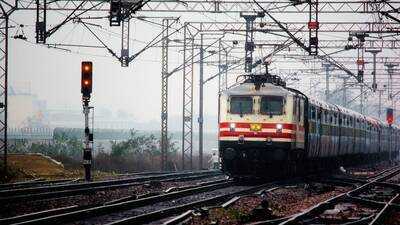
Indian Railways is one of the biggest railway systems in the world, stretching out to the cities, towns, mountainous areas, and even the most remote parts of the country. Over the span of 170 years, it has been instrumental in developing the Indian economy, culture, and society. Although millions of people travel through trains each day, there are many surprising things about the rail network that are little known to people.
Here are five interesting things about Indian Railways.
 Indian Railways has three UNESCO World Heritage Railway Sites
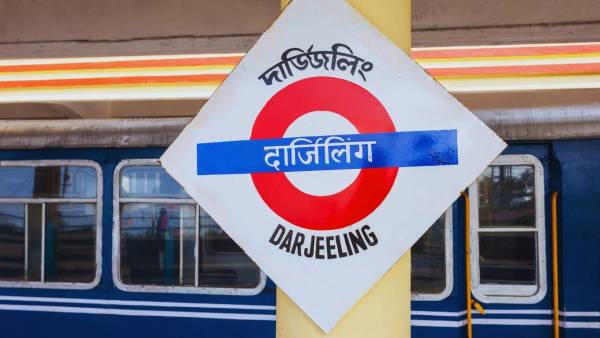
Besides transportation, certain rail tracks have been declared as engineering marvels by Indian Railways. There are three railway properties of India that have been declared UNESCO World Heritage sites. The first one is the Darjeeling Himalayan Railway which is commonly known as “Toy Train” and was declared a World Heritage Site in 1999. It was constructed in the latter part of the nineteenth century and has a narrow gauge rail track connecting New Jalpaiguri to Darjeeling.
Another one is Nilgiri Mountain Railway located in Tamil Nadu and was declared in the year 2005. This railway has a very steep gradient and famous steam engines and connects the city of Mettupalayam with Ooty, the hill station.
Lastly, there is the Kalka-Shimla Railway, declared a UNESCO World Heritage Site in 2008.
Indian Railways has dedicated housekeeping teams
Maintaining cleanliness in thousands of trains and railway stations is an enormous task and Indian Railways has a special housekeeping system for this purpose. The On Board Housekeeping Service (OBHS) is a recent development that has helped maintain cleanliness in long distance trains. In this system, housekeeping personnel ride along in the train and help in cleaning coaches while on the go. Besides this, major trains also have mechanized cleaning facilities at select stations where coaches are cleaned after their journey. These cleaning facilities include cleaning toilets, floors, washbasins and passenger compartments. Cleaning drive for introduction of bio-toilets, waste management and cleanliness is an ongoing process in Indian Railways.
Indian Railways has the world’s longest railway network
Indian Railways maintains the world’s longest railway network which comprises thousands of stations and connects many of the most populous regions of the world. The railway network spans a wide range of geography from deserts of Rajasthan to coastal plains, Himalayas and even the forested areas of the Northeast region of India. Millions of people use railways daily to travel by train and hence railways are a very important mode of transportation in India.
Some Indian railway stations have unique features
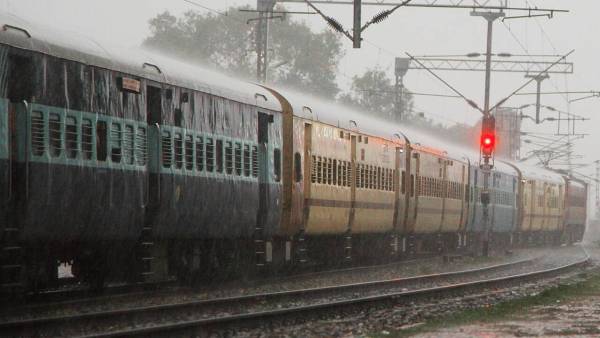
The railway stations in India not only serve as connecting points but some of them also have interesting histories and records linked to them. One such station is Chhatrapati Shivaji Maharaj Terminus which is also a UNESCO World Heritage site featuring architectural elements of Victorian Gothic style mixed with elements of Indian style architecture. Another station called Ghum Railway Station is located on the Darjeeling Himalayan Railway and is the highest railway station in India. There are many stations in India that feature strange designs and have historical and cultural significance.
Indian Railways has its own medical, engineering and security systems
A network as large as that of Indian Railways requires services beyond the regular trains and tracks. Indian Railways has its own medical system in the form of railways hospitals. They also have their engineering departments, research and development centers and security forces like Railway Protection Force. Railway engineers look after all aspects of the railways track system including signaling systems, bridges and tunnels.
-
Luis Suarez creates historic Inter Miami landmark after match-winning display

-
15 held for holiday membership fraud in Hyderabad’s Gachibowli
-
From NEP to resignation, Dharmendra Pradhan’s rise and fall
-
Patson Daka hopes for a fresh start with Hamburg in the Bundesliga: “I never fear the future!”

-
At what age do children start forming lifelong memories? Here's what science says