
Walk into any supermarket or scroll through social media, and you’ll probably come across a “must-have superfood.” Green tea promises to detox your body. Kale is called the healthiest vegetable on Earth. Chia seeds are said to help with weight loss. Quinoa is marketed as the perfect grain. And avocado has practically become a lifestyle.
However, there is no official scientific definition of a “superfood.” It’s mostly a marketing term used to describe foods rich in nutrients. So before you spend extra money chasing the latest health trend, let’s separate fact from fiction.
Green Tea
Photo: Pexels
Green tea has become almost synonymous with healthy living. Many people start their mornings with a hot cup because they’ve heard it burns fat, detoxifies the body and helps them lose weight.
Sure, it contains antioxidants called catechins, especially one called EGCG, which may help protect your cells, support heart health, and slightly improve metabolism. And replacing sugary drinks with green tea is definitely a smart move.
But its effect on weight loss is usually very small. Drinking several cups every day won’t suddenly make the kilos disappear. And despite what social media may claim, green tea doesn’t “flush toxins” from your body.
Kale
For years, kale has been called the world’s healthiest vegetable. From smoothies to soups, people started adding kale to everything. And yes, it’s incredibly nutritious. It’s packed with vitamins A, C and K, fibre, antioxidants and minerals that your body needs.
But here’s something many people don’t realize. Spinach, mustard greens, broccoli, cabbage, moringa leaves and several other leafy vegetables offer very similar nutritional benefits. Some even contain more of certain vitamins and minerals than kale. So if you don’t enjoy kale, don’t force yourself to eat it.
Quinoa
Quinoa became famous because it’s one of the few plant foods that contains all nine essential amino acids, making it a complete protein. It also provides fibre, magnesium, iron and other nutrients.
But does that mean you should replace rice or millets forever? Not really.
Brown rice, oats, barley, whole wheat and traditional Indian millets like ragi, bajra and jowar are also rich in nutrients and have been nourishing people for generations. They’re often cheaper, easier to find and equally capable of supporting a healthy diet.
Chia Seeds
Few foods have become as trendy as chia seeds. People stir them into smoothies, yogurt, overnight oats and even water. They’re praised for helping with digestion, keeping you full and supporting heart health. They do contain plenty of fibre, plant-based omega-3 fats and minerals.
But the internet sometimes makes them sound magical.
One spoonful of chia seeds won’t transform your health. They’re only one small part of a balanced diet. They’re healthy, but not life-changing on their own.
blueberries
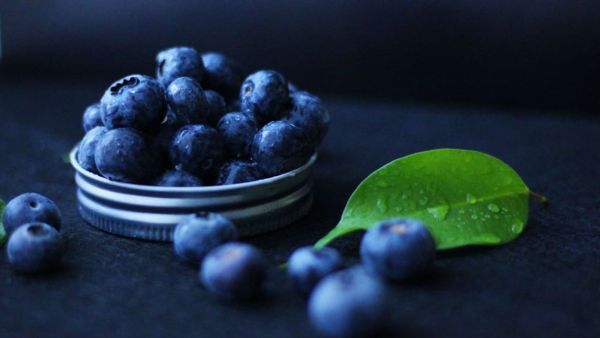
Photo: Pexels
Blueberries are often called one of the healthiest fruits because they’re packed with antioxidants that may support brain health and protect your cells. They’re certainly a fantastic fruit. But they’re far from being the only antioxidant-rich option.
Strawberries, raspberries, blackberries, cherries, oranges, grapes, pomegranates and Indian favorites like amla, jamun and guava are also nutritional powerhouses.
Instead of eating just one “super fruit,” eating many different fruits is far more beneficial.
avocado
Avocados have become one of the biggest stars of healthy eating. They’re rich in heart-friendly fats, fibre, potassium and several vitamins. They help keep you full and fit beautifully into salads, sandwiches and toast. But healthy doesn’t mean calorie-free.
A whole avocado contains a significant number of calories and eating large portions of it every day simply because it’s considered a superfood may not help if you’re trying to manage your weight.
Apple Cider Vinegar
Apple cider vinegar became a wellness sensation almost overnight. People started drinking it before meals, believing it could burn fat, improve digestion, control blood sugar and detox the body.
However, research paints a much calmer picture. It may slightly improve blood sugar levels after meals and help some people feel fuller for longer. But it won’t replace healthy eating, and it certainly won’t melt away body fat overnight. Drinking it undiluted can also irritate your throat and damage your tooth enamel.
Goji Berries
Goji berries are often sold as one of the world’s greatest superfoods. They’re nutritious, no doubt. But so there are dozens of fruits that cost much less.
Guava contains enormous amounts of vitamin C. Amla is packed with antioxidants. Pomegranates, grapes, berries and citrus fruits all bring their own impressive nutritional benefits. Sometimes we’re paying more for clever marketing than for better nutrition.
No single food can do everything your body needs. The real “superfood” is a balanced diet filled with colorful fruits, vegetables, whole grains, pulses, nuts, seeds, healthy fats and good-quality protein.
-
Zimbabwe vs India 1st T20I Match Prediction - Who will win today's match between ZIM vs IND T20I match?

-
"I always thought I was fragile": Shakira opens up about the emotional scars of Gerard Piqué's alleged betrayal as her 2026 World Cup halftime show breaks records

-
Erling Haaland wore frog brooch worth 1 lakh

-
Monsoon Special: Have you tried crab bhaji during monsoon or not? Note the recipe today

-
6500mAh battery and 50MP selfie camera… Tecno Camon 50 Ultra smartphone blew everyone’s sleep, this is the price