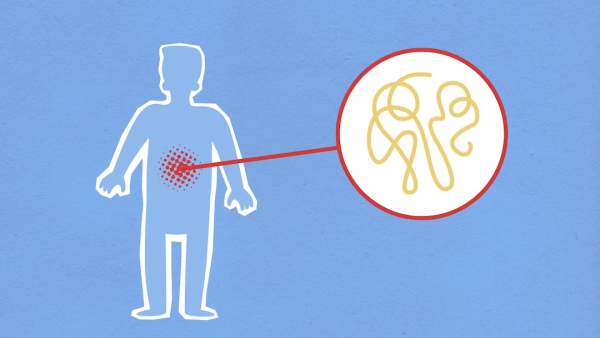
A microscopic parasite called Cyclospora is causing growing concern in the United States as infections continue to rise. Health experts say the illness can trigger prolonged watery diarrhoea, dehydration and extreme weakness, with some patients requiring hospital care. In one widely reported case, an infected woman had to use the toilet nearly 30 times a day because of the severity of the infection. According to reports, the number of Cyclospora cases recorded in the US this year has exceeded the levels seen in 2019, prompting renewed attention from public health authorities.
Why Cyclospora Infection Is Different From Ordinary Food Poisoning
According to Dr. Cyriac A.B. Phillips, hepatologist, clinical scientist and public health researcher, Cyclospora infection is often mistaken for food poisoning or viral gastroenteritis. However, unlike common stomach infections that usually improve within a few days, Cyclospora can last for several weeks if left untreated. Doctors warn that patients may even experience a relapse after initially recovering. The infection is caused by Cyclospora cayetanensis, a microscopic protozoan parasite that multiplies inside the body and affects the lining of the small intestine, reducing the body's ability to absorb nutrients properly. As a result, patients may continue to experience weakness and weight loss even after diarrhoea begins to improve.
Symptoms And Treatment You Should Know
The most common symptom is persistent watery diarrhoea that continues for more than two weeks. Other symptoms may include loss of appetite, abdominal cramps, bloating, excessive gas, fatigue and noticeable weight loss. Unlike some bacterial intestinal infections, Cyclospora usually does not cause bloody stools or pus, and vomiting is generally less common. Dr. Phillips notes that several commonly prescribed antibiotics, including metronidazole, azithromycin, ciprofloxacin and norfloxacin, may not be effective against this parasite. Instead, patients often respond well to co-trimoxazole, which is considered the standard treatment. Diagnosis can also be challenging. Routine stool examinations may fail to detect the parasite, so specialised laboratory testing is often required when diarrhoea persists beyond two weeks.
How The Infection Spreads And What Is India's Situation?
Cyclospora was first identified in humans in 1979 and officially named in 1994. Research published by the US Centers for Disease Control and Prevention (CDC) in 2023 suggested that multiple strains of the parasite are capable of infecting humans. The parasite spreads mainly through food or water contaminated with human waste. Raw vegetables, leafy greens, herbs, fruits and contaminated irrigation water are considered common sources of infection. Experts also point out that the parasite's protective outer layer makes it resistant to routine chlorine treatment. Although comprehensive nationwide data are limited in India, a 2025 study by the ICMR-National Institute of Cholera and Enteric Diseases (NICED), Kolkata, detected Cyclospora infection in around 2 percent of patients with diarrhoea in eastern India. During the monsoon months of July and August, the positivity rate reportedly increased to 7 percent, with children between 5 and 12 years among the most affected groups. Health experts recommend washing fruits and vegetables thoroughly, drinking safe water, maintaining good hand hygiene and seeking medical attention if watery diarrhoea continues for more than two weeks.
-
Zimbabwe vs India 1st T20I Match Prediction - Who will win today's match between ZIM vs IND T20I match?

-
"I always thought I was fragile": Shakira opens up about the emotional scars of Gerard Piqué's alleged betrayal as her 2026 World Cup halftime show breaks records

-
Erling Haaland wore frog brooch worth 1 lakh

-
Monsoon Special: Have you tried crab bhaji during monsoon or not? Note the recipe today

-
6500mAh battery and 50MP selfie camera… Tecno Camon 50 Ultra smartphone blew everyone’s sleep, this is the price