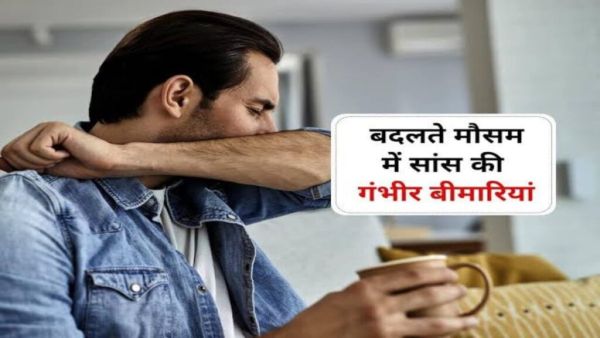
Lifestyle Desk – The effect of change in weather is not limited only to skin or cold, but it also has a direct impact on our respiratory system. There is a sudden change in temperature, humidity and air quality when moving from summer to rain or from rain to cold season. In such a situation, many people have to face problems like shortness of breath, chest tightness, cough or difficulty in breathing. Especially for people who already have respiratory disease, this time can be more challenging. Let us know about it in detail.
Why do we feel short of breath when the weather changes?
According to experts, when cold or very dry air suddenly reaches the lungs, the respiratory tubes can contract slightly. Due to this, the flow of air to the lungs gets affected and difficulty in breathing begins. Apart from this, during changing weather, dust, pollen, mold and pollution particles can also increase in the air, which promotes allergies and respiratory problems. Due to increase in humidity in the rainy season, fungus and dust particles spread rapidly, while in winter, cold air and increase in pollution levels can increase respiratory problems.

Who need to be more careful?
During changes in weather, the risk of breathlessness in some people is higher than that of normal people. These include.
- asthma patients
- People suffering from chronic obstructive pulmonary disease (COPD)
- people with allergy problems
- elderly
- small children
- heart disease patient
- people who smoke
These people should take their medicines regularly when the weather changes and continue treatment as per the doctor’s advice.
Which symptoms should not be ignored?
If with the change in weather there is frequent shortness of breath, persistent cough, chest pain or tightness, wheezing, feeling tired very quickly or difficulty in breathing even while doing normal work, then it should not be ignored as normal. Such symptoms can also be a sign of some serious respiratory or heart problem.
Adopt these easy measures for protection
- Dress according to the weather and avoid direct exposure to cold air.
- Avoid going out when pollution is high in the morning and evening.
- Keep the house clean so that dust and mold do not accumulate.
- Keep drinking adequate amount of water, so that the body and respiratory tract remain hydrated.
- Stay away from smoking and also avoid second hand smoke.
- Do light exercise and breathing exercises regularly.
- If the doctor has prescribed an inhaler or other medicines, take them on time.
When to immediately contact a doctor?
If there is sudden difficulty in breathing, lips or nails start turning blue, severe chest pain, dizziness or the person is unable to speak properly, then it could be a medical emergency. In such a situation, immediately contact a doctor or go to the nearest hospital.
-
Gold Price Today: Gold shines for the second consecutive day; check rates for 24-carat to 18-carat gold across 10 cities..

-
LPG Rates Today: What is the cost of 14kg and 19kg gas cylinders? Check today's LPG prices.
-
Petrol-Diesel Prices Today: Check the new rates before filling up your tank; find out the current prices in your city.
-
Plastic Notes: India's new plastic notes will feature advanced security features. Know which countries already use polymer currency.
-
₹50 Note Alert: Fake ₹50 notes are also in circulation. Learn these simple security features to identify a genuine note.