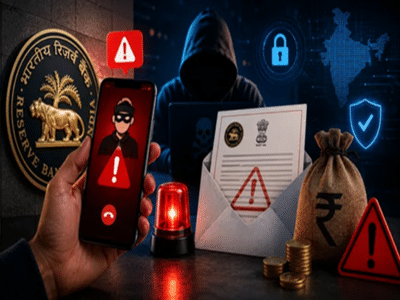
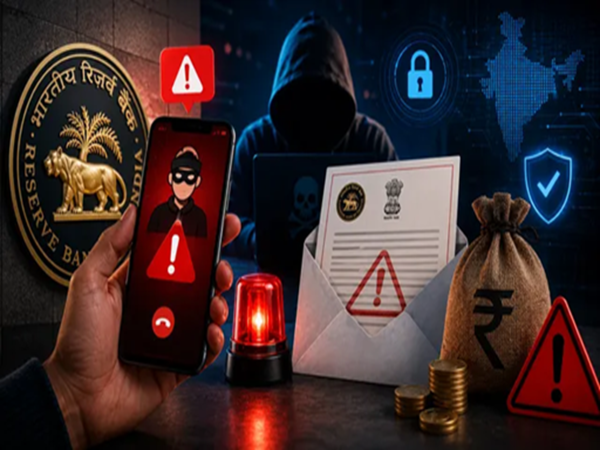
Scammers are becoming more brazen than ever. A recent post by the PIB has highlighted a scam where fraudsters impersonate the Reserve Bank of India (RBI) to swindle people under the pretext of a "refundable tax." In this scam, the victim receives a letter that appears to be official. It claims that a payment of ₹1 lakh due to the recipient has been put on hold due to a transaction issue and can only be released upon payment of a ₹7,500 fee. If you receive such a message, do not respond to it. Let us take a closer look at the RBI refundable tax scam.
The Truth About the Refundable Tax Scam
The Press Information Bureau (PIB) has recently warned Indian citizens about a new scam being perpetrated in the name of the Reserve Bank of India. The PIB's fact-check team shared an image of a letter that mimics an official RBI document. It states that a payment of ₹1 lakh intended for the recipient is on hold due to a transaction problem. It claims that the amount will be released within minutes if a "refundable tax" of ₹7,500 is paid. The letter includes bank account details where the recipient is asked to send the money. Furthermore, the letter creates a sense of urgency by insisting on immediate action.
The fact-check team has confirmed that this letter is entirely fake and has no connection to the RBI. Officials have also clarified that the central bank never asks the general public to transfer money or share personal details via unsolicited messages, emails, or phone calls.
What to do if you have fallen victim to the scam?
If you have already responded to such a message or transferred money, you should immediately report the matter to the local police. The agency states that reporting the incident immediately can help authorities track the scam and prevent others from falling victim to it.
Additionally, officials advise keeping a record of such incidents—including screenshots, payment receipts, emails, and phone numbers associated with the scam—as this information can assist in the investigation. If the fraud involves a bank account or digital payment, it is also crucial to notify the bank as soon as possible.
Ways to Stay Safe
Digital scams are rising rapidly across the country, but you can stay safe by following a few common tips. First and foremost, always verify messages demanding immediate payment with the relevant department or through their official website. A request for an upfront fee is an immediate red flag, as government departments and the RBI never ask individuals for money to release funds.
Furthermore, avoid sharing banking details, OTPs, passwords, or identity documents with unknown callers or via suspicious emails. If you receive a message claiming to be from the government, verify it only through official websites or trusted sources.
Disclaimer: This content has been sourced and edited from Dainik Jagran. While we have made modifications for clarity and presentation, the original content belongs to its respective authors and website. We do not claim ownership of the content.
-
Heartfelt Morning Messages to Brighten Your Loved Ones' Day

-
When is the best time to eat lunch?

-
China’s Moonshot AI challenges US tech giants with new Kimi K3 model

-
The risk of skin infection increases in monsoon, keep your skin healthy by adopting these good habits.

-
5 Zodiac Signs Have Really Good Horoscopes On Tuesday, July 21, 2026