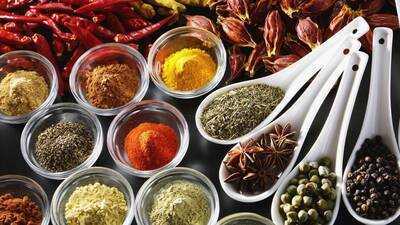
There’s no denying that spices play an inseparable part of day-to-day cooking, right from adding a twist of taste and flavor to the delicacies to accentuating the health quotient of meals. Spices can make or break the taste of any delicacy. This is why ensuring the purity of regular spices becomes essential. Here are some expert-suggested ways to check the purity at home, read on to find out…
Appearance test
Looking at the appearance and look and feel can also tell you a lot about spices, especially whole spices. Here are some common kitchen spices that can be checked at home for their purity by following the below-given tips.
Black Pepper
Pure black peppercorns should be dark brown to black and have a rough, wrinkled texture. If they appear smooth, light, or contain odd colors, they may be adulterated. In fact, in most cases, black peppercorns are often mixed with black papaya seeds to increase their weight.
Turmeric
It may seem like a daunting task to check the purity of turmeric powder, but just by observing it you may understand its purity levels. Pure turmeric powder should be vibrant and deep yellow in color. Any dullness or inconsistent coloring might indicate contamination or mixing with artificial dyes.
Garam Masala
This is another commonly used spice in the Indian kitchen, which is made by grinding several spices together. Make sure that the spice blend has a uniform color and fine texture. Variations in color or the presence of clumps could suggest the presence of fillers or artificial ingredients.
Salt
Salt is yet another essential seasoning used in daily cooking. Interestingly, checking the purity of salt is super simple; just look at the texture, but if it appears white and crystalline, then it is pure, but if it appears off-white or contains visible impurities, then chances are that it may be adulterated with other substances.
Coriander Powder
Another common spice is coriander powder, which is extensively cooked in daily cooking. However, a simple way to check its purity is by looking at it; if it appears light brown in color and has a fine texture, then it is pure. But if it has dark specks or irregularities, then it could indicate adulteration.
Cumin Powder
Cumin powder should be a light brown color and have a consistent, fine texture. Any clumps or inconsistent color may suggest mixing with other low-quality substances.
Smell Test
Another easy way to check the quality of spices is also by sniffing the spices, as the smell of the spices can tell a lot about their freshness and purity.
Black Pepper
Loved for its strong, spicy flavor, pure black pepper has a sharp, pungent aroma. If it smells weak or different from the expected aroma, then chances are that it might be mixed with low-quality additives.
Turmeric
Turmeric is one of the most extensively used potent spices, which is loved for its umpteen health benefits. In fact, pure turmeric should have a strong, earthy aroma. A lack of smell or a faint odor could indicate that the turmeric is not pure.
Garam Masala
Authentic garam masala should have a complex, aromatic smell due to its blend of spices. If the aroma is weak or off, it may be compromised.
Salt
The easiest way to check the purity of salt is by smelling it as pure salt has a clean, mineral-like smell. But, if it has an unusual odor, then it is mixed or contaminated.
Coriander Powder
Just by smelling this powder, you may check the purity of coriander powder. If the powder smells fresh and sharp, with a warm, citrusy smell, then it is pure and good to consume.
Cumin Powder
Pure cumin has a distinctive, nutty aroma. If the smell is bland or altered, the cumin might be mixed with other powders.
Taste Test
Black Pepper
Pure black pepper will have a sharp, spicy flavor. If it tastes bland or lacks the expected heat, it might be mixed with other substances.
Turmeric
Pure turmeric has a slightly bitter and earthy taste. If it tastes off or lacks depth, then chances are that it could be adulterated.
Garam Masala
Authentic garam masala should have a well-balanced, rich flavor and sharp taste. If it tastes off or dull then, it might contain fillers or artificial ingredients.
Salt
Pure salt has a clean, straightforward salty taste. Any bitterness or unusual flavors could indicate impurities.
Coriander Powder
Pure coriander powder should have a sweet, citrus-like taste. If it tastes bitter or otherwise unusual, it might be contaminated.
Cumin Powder: Pure cumin has a warm, slightly nutty flavor. An altered taste may indicate that it is mixed with other powders.
Water Solubility Test
To check the quality of spices can be done by going for a water solubility test, in which spices are added to water to check their efficacy and quality.
Black Pepper
Add a pinch of ground black pepper to water. Pure black pepper will settle at the bottom. If the water becomes cloudy, it could be mixed with other substances.
Turmeric
Mix turmeric powder in water. Pure turmeric will typically settle at the bottom, while adulterated turmeric might create a cloudy solution.
Garam Masala
Since garam masala is a blend, this test can be less definitive. However, if it causes excessive cloudiness, it could contain fillers.
Salt: Pure salt dissolves completely in water. If there are residues or impurities left behind, the salt might be mixed with other substances.
Coriander Powder
Pure coriander powder will also settle at the bottom. If the water turns cloudy or has floating particles, it might be adulterated.
Cumin Powder
Mix cumin powder in water. Pure cumin powder should settle at the bottom, while adulterated cumin might make the water murky.
Paper Test
A wonderful way to check the freshness and purity of spices is by going for the paper test, which includes placing the spices and checking for their stain and colour. Here are some spices and how you too can conduct this paper test at home.
Black Pepper
Sprinkle black pepper on a piece of white paper and leave it for a few hours. Pure black pepper should leave a clear stain. If there are residues or a noticeable change in the paper, it could be adulterated.
Turmeric
Place a small amount of turmeric on white paper. Pure turmeric will leave a bright yellow stain. Adulterated turmeric might result in a duller or uneven stain.
Garam Masala
Sprinkle some garam masala on white paper and observe. Pure garam masala should leave a consistent color without excess residue.
Salt
Spread a small amount of salt on white paper. Pure salt should leave a clean mark. If there are other particles or residues, the salt may be mixed with other substances.
Coriander Powder
Sprinkle coriander powder on white paper. Pure coriander powder should leave a light brown stain without clumps or residues.
Cumin Powder
An easy way to check purity of cumin is by putting a small amount of it on the paper, if the cumin is pure it will leave a consistent light brown mark on white paper. Any clumping or residue could indicate adulteration.
Heat Test
Heat test is also a simple way of checking the freshness and purity of spices. It is done by heating the spices to observe its texture and aroma.
Black Pepper
Heat a small amount of black pepper in a pan. Pure black pepper will release a strong aroma. If the scent is weak or unusual, it might be mixed.
Turmeric
Heat a bit of turmeric powder. Pure turmeric should release a distinct earthy aroma and color. If it doesn’t, it might be adulterated.
Garam Masala
Heat a pinch of garam masala to check for aroma. Pure garam masala should emit a complex, fragrant smell. A lack of aroma might indicate fillers.
Salt
Salt does not change significantly with heat, but if it’s mixed with other substances, it might produce an odd smell or residue.
Coriander Powder: Heating coriander powder should release a warm, citrusy aroma. A lack of smell may suggest adulteration.
Cumin Powder: Pure cumin powder should give off a rich, nutty aroma when heated. If the scent is faint, the cumin might be mixed.
Chemical Reactions
Turmeric: Add a few drops of iodine solution to turmeric powder. Pure turmeric will not change color, while adulterated turmeric might show a blue or greenish hue.
Garam Masala: There’s no such specific test to check the purity of garam masala. It can be simply checked by observing the appearance and aroma.
Salt: Pure salt should not react with iodine or other common chemicals used in tests. If it changes color or produces a reaction, it might be mixed.
Coriander Powder: Chemical tests are less practical, but consistency in flavor and aroma can be good indicators of purity.
Cumin Powder: Like coriander, cumin’s purity is best tested through visual and aroma checks, as chemical tests are not commonly used.
Texture Test
Black Pepper: Pure black peppercorns should be rough and wrinkled. Smooth, uniform peppercorns may be adulterated.
Turmeric: Pure turmeric powder should have a fine, consistent texture. Adulterated turmeric might feel gritty or inconsistent.
Garam Masala: The texture should be fine and uniform. Any clumps or irregularities could suggest fillers or artificial ingredients.
Salt: Pure salt should have a consistent crystalline texture. Impurities may cause it to appear lumpy or uneven.
Coriander Powder: The texture should be fine and consistent. Coarse or gritty textures might indicate mixing with other powders.
Cumin Powder: Pure cumin should be finely ground. A gritty or uneven texture can be a sign of adulteration.
-
Zlatan Ibrahimovic Announces Sudden Exit from Punditry After World Cup Final

-
Argentina players criticised for turning away during Spain’s World Cup trophy celebration as Messi chants echo during Rodri’s Golden Ball ceremony

-
WATCH: Rohit Sharma's Viral Flying Kiss Leaves Ritika In Tears After Lord's Century

-
J&K Statehood Protest: Omar Omar Jabs Rivals, Says 'Some Sit At Home Posting Tweets'

-
Roma Identify Possible Replacements for Manchester United Target Manu Koné